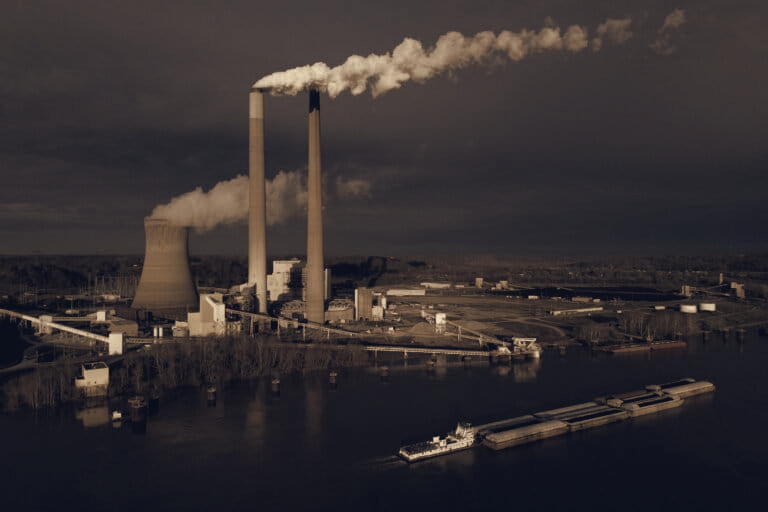
Utilities gain regulatory relief: the Environmental Protection Agency has repealed federal limits on greenhouse gas emissions from coal- and natural gas-fired power plants, a change the agency says will eliminate more than $300 billion in industry compliance costs.
The repeal, first proposed last year, represents a clear policy reversal from the regulatory approach taken under Democratic presidents Barack Obama and Joe Biden, which aimed to constrain industrial emissions as part of broader climate action. EPA officials framed the change as restoring discretion to power companies, saying it would let utilities "unleash" American energy and make choices for their ratepayers without being forced to retire aging or inefficient plants.
The agency presented the move as an economic relief measure for the sector, characterising the rescission as a removal of substantial costs for generators that burn coal and natural gas. EPA officials argued the rule change would allow plant operators to weigh local reliability and consumer bills rather than complying with federally mandated emissions limits.
Advocates and opponents are not quoted in the reporting available, and the announcement does not include independent estimates of how the repeal will affect emissions or customer prices. The measure shifts the federal regulatory baseline for power-sector greenhouse gases, altering how future compliance and investment decisions may be judged at the utility level.
The repeal closes a chapter on a regulatory standard advanced during prior administrations and marks a new enforcement posture at EPA. The rule was publicly proposed last year and has now been formally withdrawn, changing the obligations that previously constrained coal- and gas-fired power plants.
What happens next is contingent on implementation timelines and any administrative or legal follow-up, details of which were not provided in the available account. For now, the agency presents the step as both an economic relief for generators and a reorientation of federal policy toward the power sector.