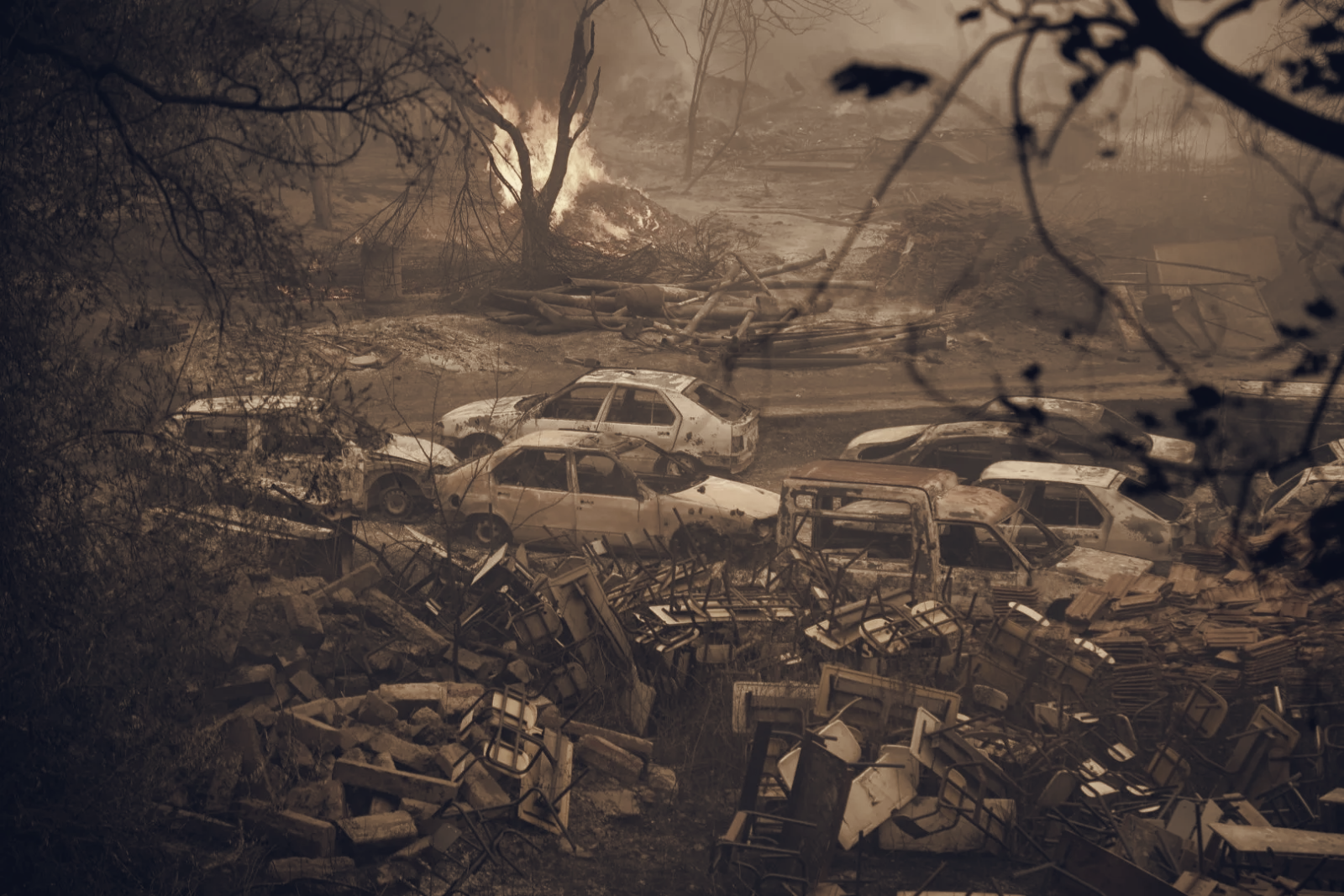

Families in Jijel have lost neighbours to recent wildfires, and the immediate consequence is grief across local communities. Residents have been moving through scorched areas, assessing what remains and confronting the human cost of the blazes. Al Jazeera reported on the scenes of people inspecting the aftermath and mourning those killed.
The reporting makes clear this is not only a story of burned trees or fields, it is a story about neighbours and networks strained by sudden loss. People who once depended on one another for daily life must now identify what they have lost and begin the slow work of practical arrangements and remembrance. Those tasks fall first to families and neighbours, and then to whatever local institutions and relief channels are available.
Visual coverage and eyewitness accounts compiled by Al Jazeera have drawn attention to the province’s condition, focusing outside observers on the human impact. That visibility can shape responses, public sympathy and calls for assistance, even if the immediate needs are private and local. For those on the ground, the priority in the days ahead will be coping with bereavement while clarifying the scale of damage to homes and livelihoods.
Longer term outcomes depend on actions not yet described in available reports. What is certain from the coverage is how quickly communal life has been interrupted. Residents are now left to chart next steps, from documenting losses to burying the dead and supporting surviving family members. The region’s passage from shock to recovery will be measured in months, and the scenes recorded by international media have fixed Jijel’s hardship in public view.