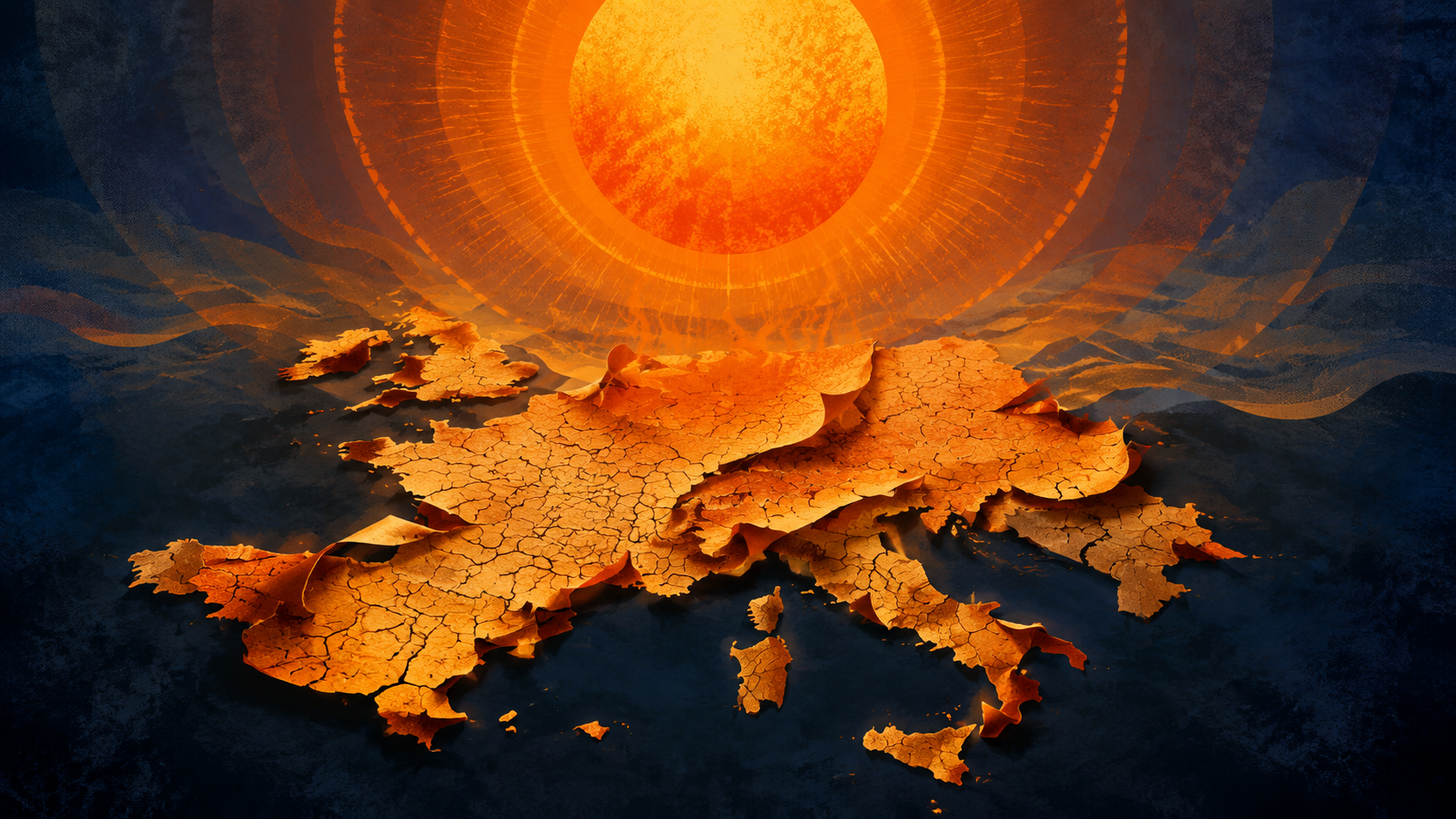
Thousands of deaths, wildfires, and dried out rivers have already resulted from record-breaking temperatures in June and July, and now many parts of Europe are bracing for another heatwave. Britain and France are under extreme heat warnings, with temperatures expected to reach the mid-30s Celsius this week. The British Environment Agency’s Director of Sustainable Business and Development, Tony Grayling, noted that the hot and dry weather is taking a significant toll on farming and will have long-lasting impacts on the environment.
The British government has responded by imposing irrigation restrictions on farmers and introducing a hosepipe ban in some regions, affecting over 27 million people. In France, water-use restrictions have been applied to 70 percent of the country, limiting activities such as watering gardens and filling swimming pools. Spain’s national weather agency, AEMET, reported that the country experienced its joint-hottest July on record, with scorching temperatures fueling the country’s biggest wildfire in recent history.
The drought conditions in Spain are also the worst on record, with only 4.3 millimetres of rain falling in July, representing just 26 percent of the normal precipitation for the time of year. Wildfires are also raging in Greece and Spain, including in Andalusia, where firefighters are struggling to contain blazes. Antonio Sanz, Andalusia’s emergencies chief, described the efforts to extinguish fires around the medieval town of Niebla as a "long-distance obstacle race" that is expected to last several days, with nearly 500 people evacuated from the area.
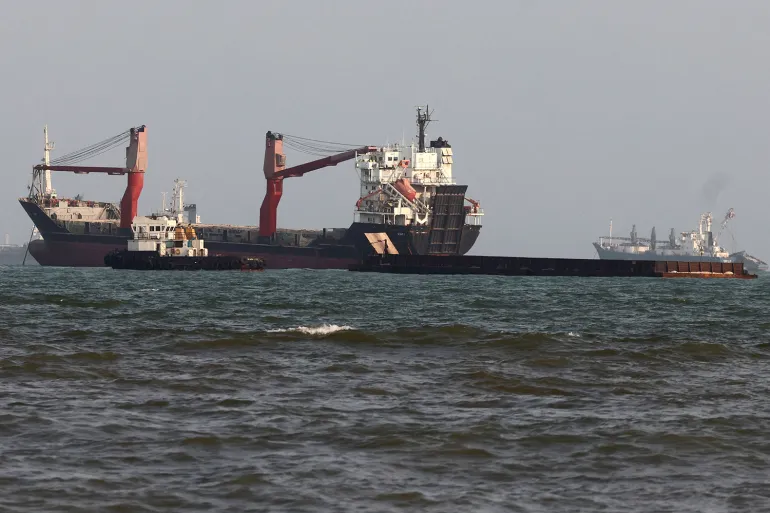
The low water levels in the Rhine river in Germany are also causing concerns, with the BDB association warning that vessels will soon be unable to navigate parts of the river. The group’s managing director, Jens Schwanen, stated that commercial shipping will no longer be able to transport goods in the region, effectively dividing the Rhine in two. Soaring temperatures are also forecast in Switzerland, Austria, and Hungary, as Europe continues to experience the effects of being the fastest-warming continent on the planet due to climate change.