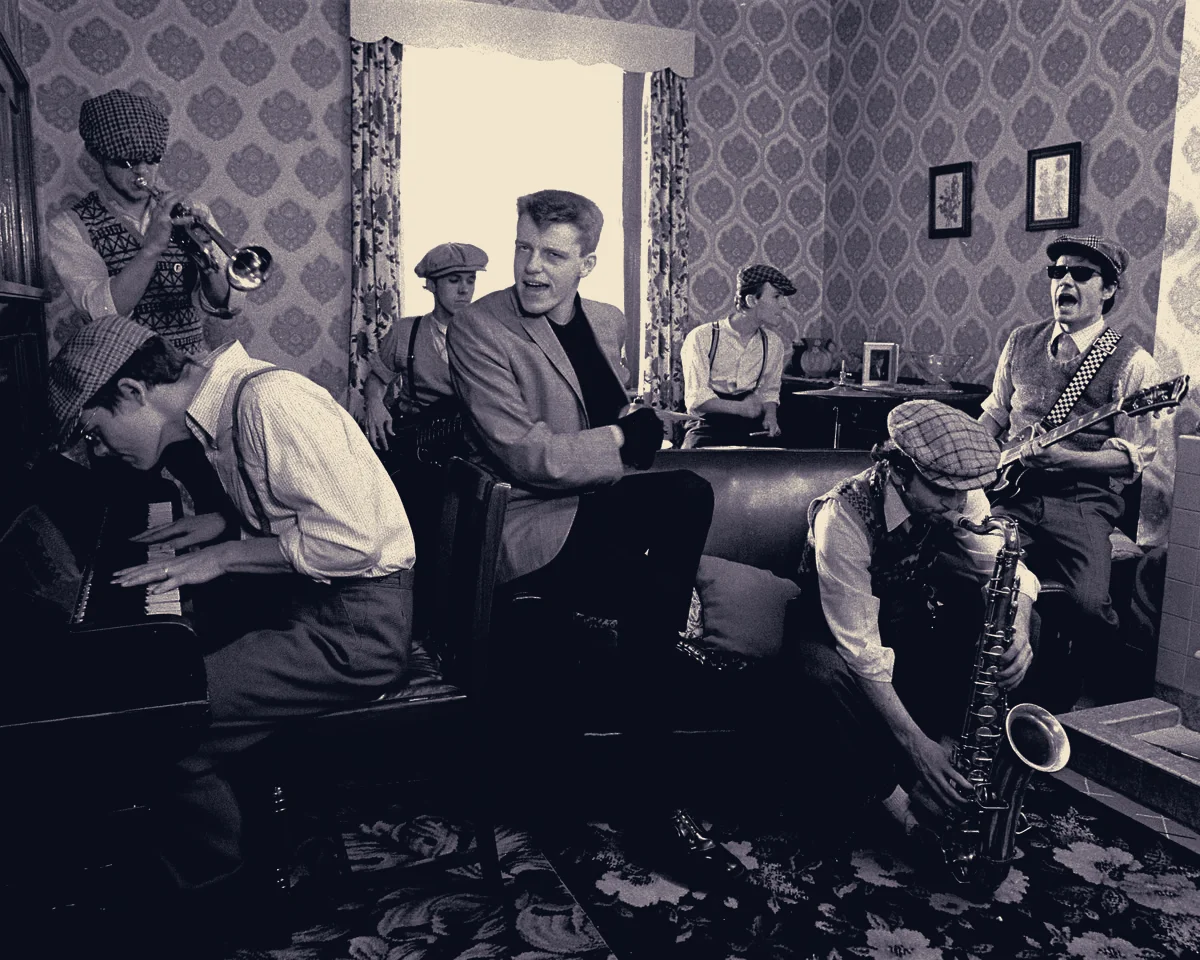
The 4K restoration returns Take It or Leave It to public view, positioning the 1981 film for rediscovery as a candid record of Madness's working-class origins. The movie was never a mainstream hit, but the new transfer emphasises the grit, improvisation and local detail that underpin the group's early identity.
The Story in Pictures
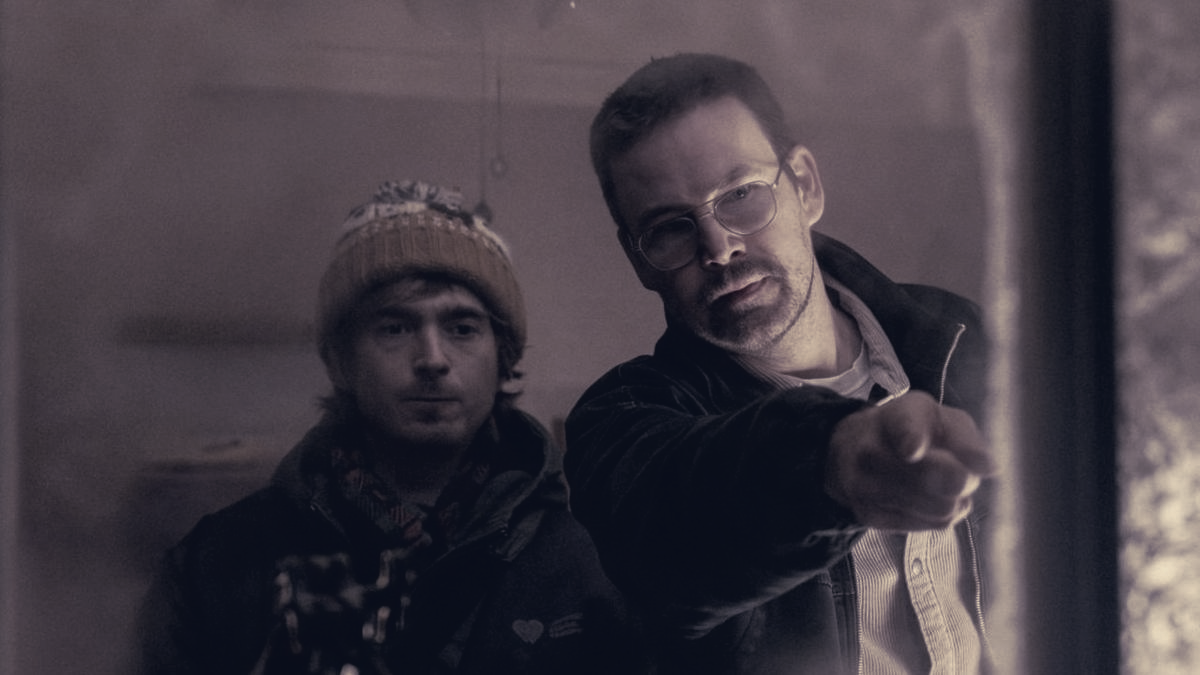
The project began as a stunt by Dave Robinson, head of Stiff Records, who had signed the band in 1979 and funded the picture alongside the group and their manager. Robinson intended a brisk shoot and an unvarnished tone, later saying, "I had planned to shoot it in a week." He aimed to translate the band's onstage exuberance into a semi-fictional origin story that mixed their comic persona with a kitchen-sink realism.
Financing came partly from the members themselves, each putting up £20,000, a sum Lee Thompson recalls as, "the price of a fuckin’ two-bedroom in NW5 back then." That budget and Robinson's appetite for cheap, fast production produced a guerrilla approach. When unionised crews delayed him, Robinson paid them off and pushed on with a lean team. Tracking shots were sometimes made from a trolley or bicycle, and overhead frames were captured by crew members balanced on stepladders.
Those methods let the film be shot in real places tied to the band's history, from shabby rehearsal rooms to the Dublin Castle in Camden and the Crouch End house where Mike Barson's mother lived. Robinson worked with cameramen who had documentary experience, and band members ad-libbed against a skeleton of roughly 30 scenes developed from interviews about their youth. That loose structure, and the choice to include covers and deliberately rough performances, was meant to evoke how a band actually forms rather than to gloss over the struggle.
Take It or Leave It also contains moments of invention that became part of Madness lore. Thompson recounts telling Robinson he wanted "to play sax while flying through the air," and finding a forklift and kirby wire at the shoot. Such stunts, along with the group's experience making rapid, low-budget videos, helped the film merge spectacle with street-level texture.
The 4K restoration foregrounds those contradictions, sharpening the film's grain and urban detail. That clarity may prompt new reassessments of a work that sits between music video, documentary and kitchen-sink drama. Whether the restoration will secure the film a place among acknowledged music-movie landmarks remains to be seen, but it has already made a once-obscure document of late-70s and early-80s London harder to ignore.