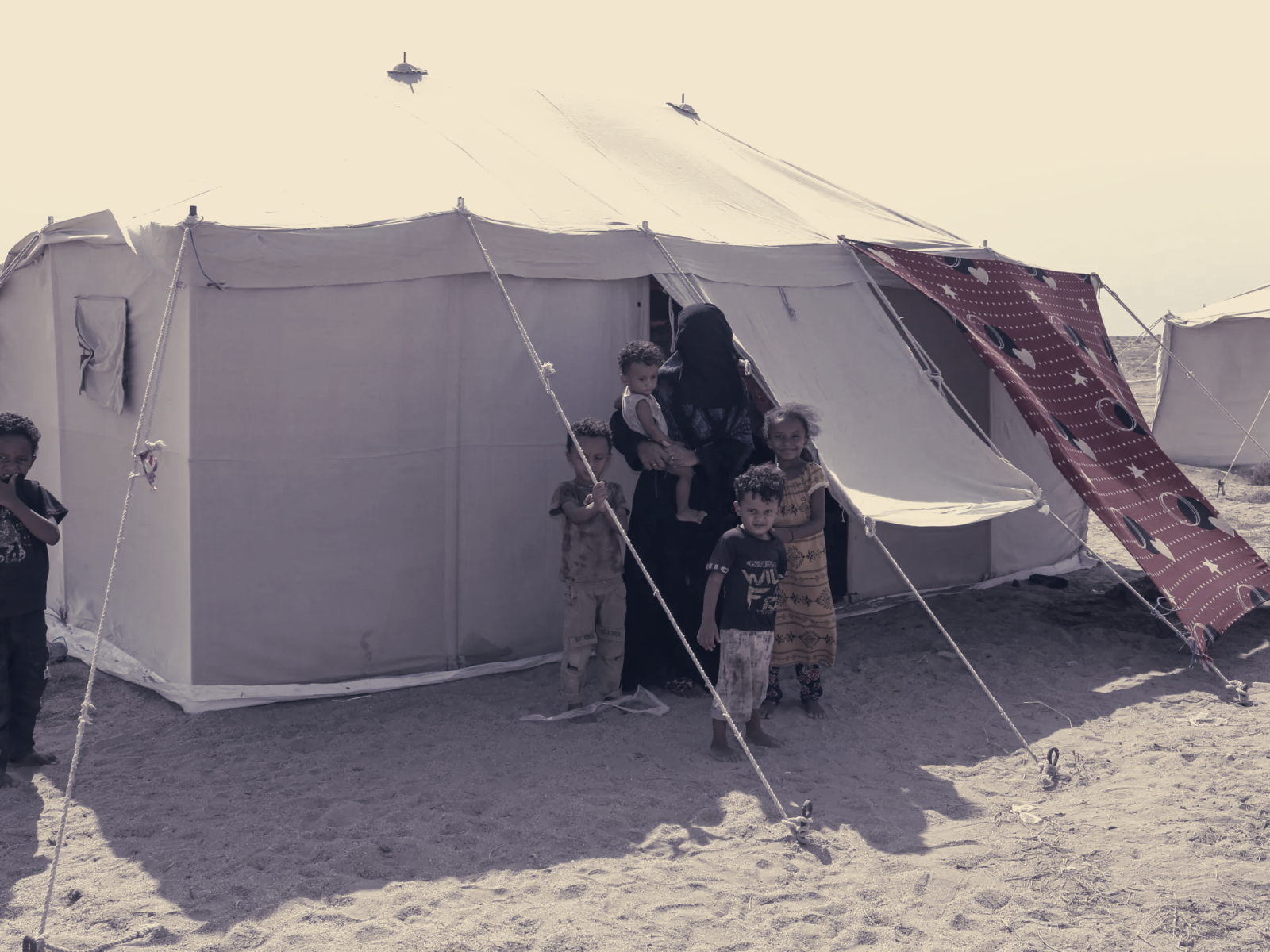
More than 112,000 people have been forced from their homes in Yemen as fighting intensifies following a swift Houthi push along the country’s Red Sea coast, and roughly 3,000 have taken boats across the Bab al-Mandeb Strait to Djibouti. The mass movement of civilians has come in the space of about two weeks, with most displacement concentrated along the west coast and in Taiz and Lahj provinces.
The Houthi advance included seizing control of the entire Red Sea coast of Yemen, tightening their hold on the strategically vital Bab al-Mandeb shipping route, just over 25 kilometres at its shortest crossing. The United Nations now says an estimated 22 million Yemenis, nearly half the population, urgently require humanitarian assistance as the conflict deepens.
Abdusattor Esoev, mission chief in Yemen for the International Organization for Migration, warned reporters that relief capacity is frayed, saying, "Our resources are very, very, very limited and our stocks will be depleted very soon." The speed of the displacement and the shrinking supplies are placing aid agencies under immediate strain.
Thousands of those fleeing are women and children. Francesco Galtieri, a UN Population Fund representative, said the situation is escalating fast, "The crisis is growing by the hour," and flagged acute needs among pregnant women, estimating about 2,000 are displaced and around 200 are expected to give birth shortly.
Beyond the internally displaced, the UN refugee agency reported that more than 2,400 people crossed to Djibouti in the past week, and that around 3,000 Yemenis have fled by boat in the current exodus. Djibouti, a nation of about one million people that already hosts roughly 36,000 refugees mainly from Somalia and Ethiopia, is facing additional pressure from the influx. UNHCR representative Sandrine Desamours said, "While the number may sound small, it must be seen in proportion to the population."
The displacement also threatens more than 65,000 registered refugees and asylum seekers inside Yemen, primarily from Somalia and Ethiopia. With stocks running low and border destinations under strain, the immediate priorities are shelter, maternal care and supplies, while agencies warn conditions could deteriorate rapidly unless assistance scales up.