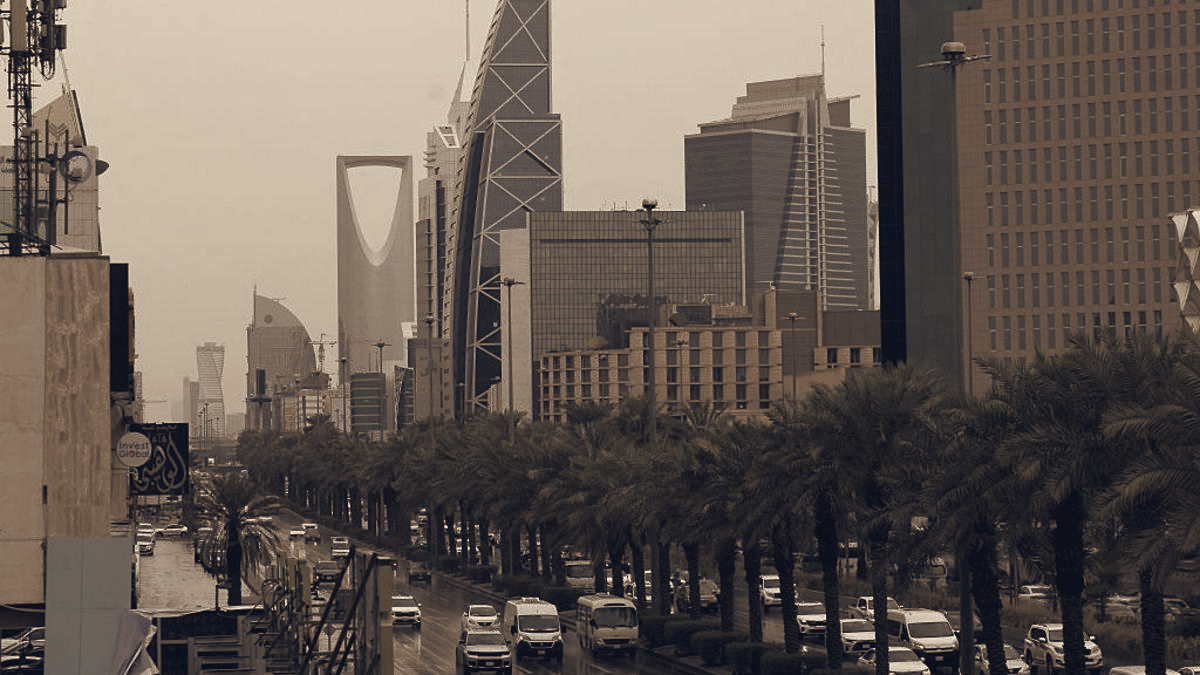
Riyadh residents were ordered to shelter after air-raid warnings and reports of explosions, then told the danger had passed, the Saudi Civil Defence said. Alerts covered the capital and several other regions late on Friday night and into Saturday morning local time. Journalists on the ground reported hearing explosions, and officials urged people to avoid gathering in crowds while emergency messages were active.
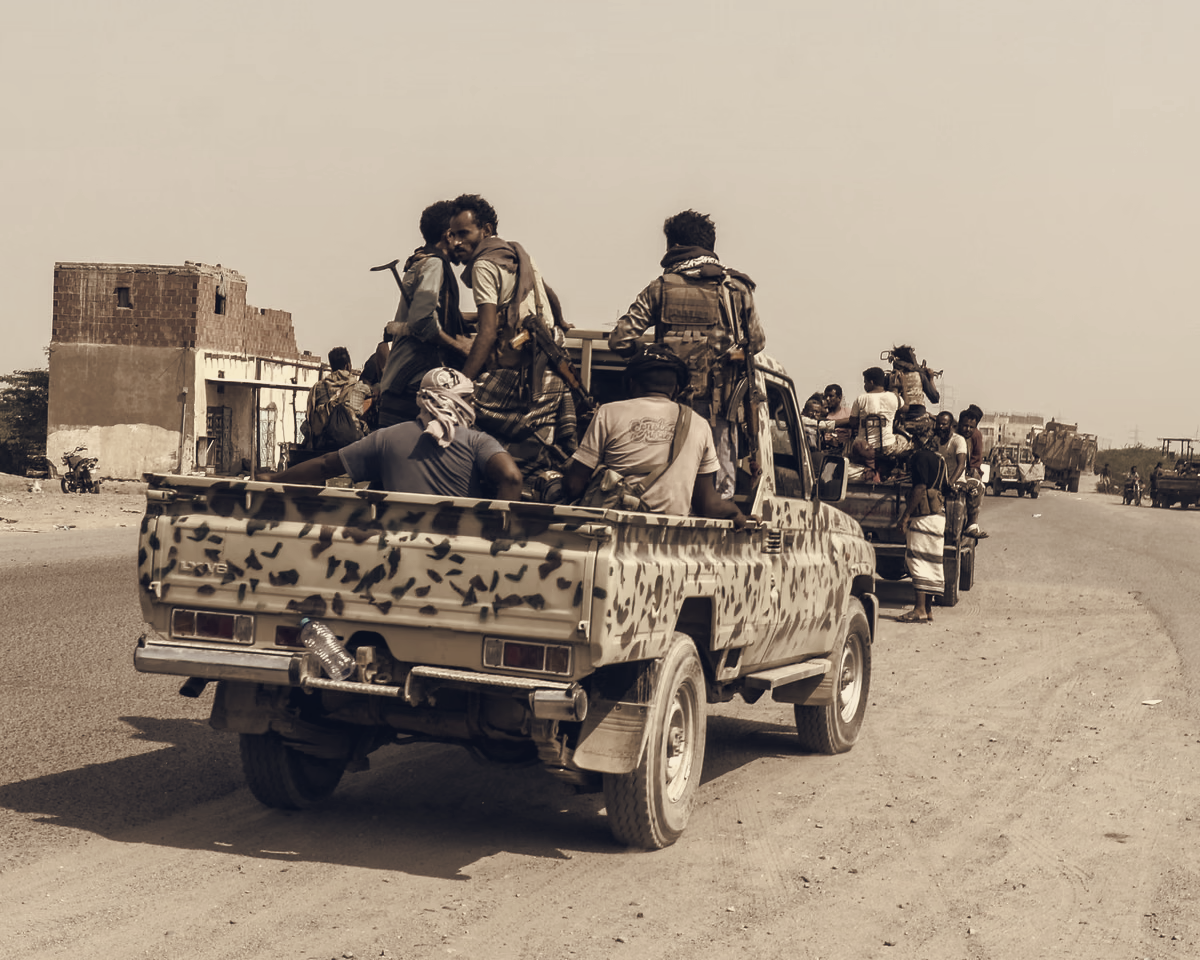
Authorities described the incident as the first time Riyadh had received such alerts since the Houthi movement intensified its campaign and declared a maritime embargo in July. The escalation follows Houthi seizures of the Red Sea port city of Mokha and nearby Perim Island, positions that their commanders say give them leverage over a key shipping route used by Saudi vessels to reach markets in Asia and Europe.
The Houthi military spokesman framed the naval blockade as retaliation for a Saudi-imposed restriction on ports and airports in areas of north-western Yemen under Houthi control. Saudi shipping has shifted reliance to that stretch of the Red Sea after the Strait of Hormuz became effectively unusable for some routes because of wider regional conflict involving the US, Israel and Iran.
Last week, Houthi attacks using drones and missiles hit several Saudi oil facilities, causing fires and temporary halts to operations. That disruption, alongside the maritime blockades, has pushed global energy markets higher and contributed to sharp rises in petrol and diesel prices in many countries in recent weeks.
Saudi Crown Prince Mohammed bin Salman has asked US President Donald Trump to consider military action against the Houthis, two sources familiar with the matter told CBS News. The US president has so far declined to commit US forces directly and has offered intelligence and targeting assistance instead. A senior Trump administration official said, "We are in continuous dialogue with Saudi Arabia and the Republic of Yemen government regarding regional stability."
The situation prompted an emergency United Nations Security Council meeting earlier this week, in which Yemen's government and Saudi Arabia called for stronger measures against the Houthis. Council members agreed that freedom of navigation in the Red Sea must be protected to avoid wider disruption to global supply chains. Yemen's conflict, which dates back to 2014 and expanded in 2015 with the Saudi-led intervention, has reportedly killed more than 150,000 people and left over 22 million in need of aid, according to UN figures.