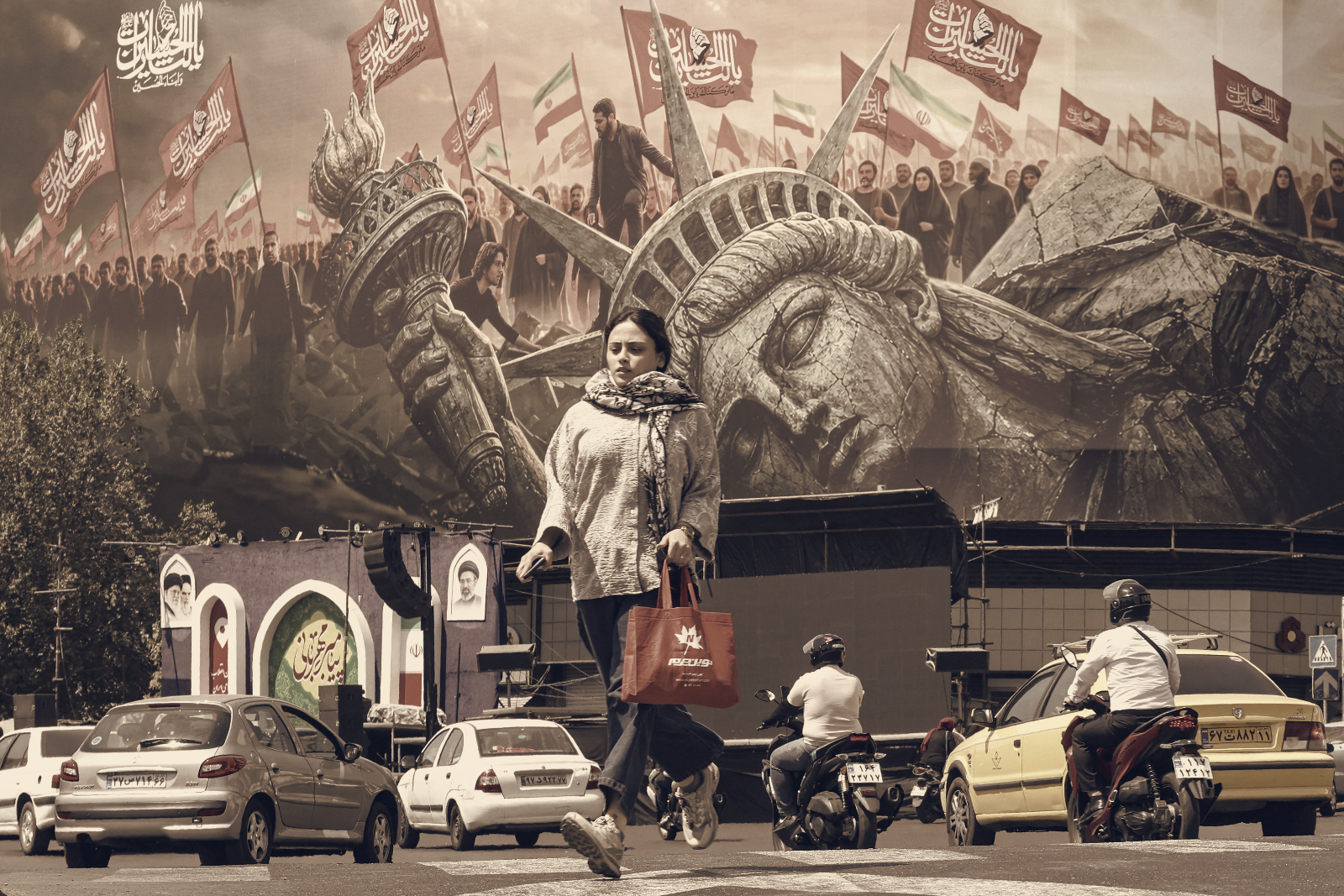

Iran says its next responses to U.S. strikes will be quicker and more damaging, a shift that puts the country’s exposed oil fleet and domestic livelihoods at immediate risk. Parliament speaker and chief negotiator Mohammad Bagher Ghalibaf declared the era of "proportionate responses" over and warned in a Telegram post that, "If they haven't understood by now, they should understand before it's too late that the rules of the game have changed and that from now on, any violation of Iran's interests and security will receive a 'faster, heavier, and more painful' response."
The escalation follows U.S. attacks that disabled three Iranian crude carriers, actions U.S. Central Command said permanently put one tanker out of service off Kharg Island and another near Jask, and struck a third in the Gulf of Oman. CENTCOM added a U.S. aircraft carrier and a guided-missile destroyer evaded multiple attacks and reported no U.S. casualties. CENTCOM commander Admiral Brad Cooper warned that strikes on American ships would bring higher economic costs for Tehran and singled out Iran’s oil fleet as vulnerable.
Washington has amplified military pressure with sanctions. The Treasury Department announced penalties against a small Turkish investment bank and two subsidiaries the day before the tanker strikes, part of late-August measures targeting Iran’s access to digital assets, advanced technology procurement, gold reserves, commercial aviation and shipping.
U.S. officials have made the risks explicit. Defense Secretary Pete Hegseth wrote on X, "It's simple: if Iran shoots at U.S. ships, we will destroy (and sink) their oil tankers. All they have to do is not shoot at @USNavy." Those comments underscore the immediate danger to vessels that once moved most of Iran's crude.
Before the war, Iran sent about 90% of its oil exports through Kharg Island as the third-largest producer in OPEC. Since the confrontation began on Feb. 28 with American and Israeli airstrikes, the Strait of Hormuz has been effectively shut for parts of the conflict, disrupting a critical artery for global flows.
The economic fallout is already severe at home. Iranian President Masoud Pezeshkian said trade has declined sharply. The World Bank estimates GDP contracted by 2.7% in the year ending March, inflation reached 62.2% in February and food price inflation hit 99%. An Iranian official put the war’s job toll at around one million.
Ghalibaf paired a tougher military posture with calls to bolster domestic production and deploy technology to blunt short-term shocks and build resilience. The combination signals Tehran intends to prosecute the conflict on both battlefields, military and economic. The coming days will show whether those measures can prevent deeper damage to oil exports and whether political leaders can protect households already squeezed by high inflation and job losses.