
Officials say the disaster has killed at least 1,384 people across the two countries and that the missing include about 800 foreigners. Nepal’s national disaster agency reported rescuers have recovered 1,341 bodies and were still looking for roughly 4,996 people. In Tibet, local authorities recorded 43 fatalities and 519 people missing.
Teams have had occasional successes, finding four survivors since Friday, three of them inside submerged hydropower tunnels. The government had earlier suggested as many as 100 people could still be alive in those passages. Nepal’s Energy Minister Biraj Bhakta Shrestha said rescue crews working in the tunneled sections face multiple obstacles, and he warned, "Search and rescue is going on at the tunnels despite geography, adverse weather and lack of connectivity."
On the Chinese side, operations are slowed by deep mud and the constant threat of fresh slides in narrow gorges, conditions that make it hard for heavy machinery to reach collapse zones. Workers at Gyirong, once China’s main land port with Nepal, said nothing remains of a five-storey customs building. The only road into Gyirong reopened on Wednesday, letting excavators and other equipment finally enter an area where rescuers now rely on shovels, excavators and ground-penetrating radar.
Nepal has framed the disaster as a test of international climate responsibility and formally asked the UN-backed Fund for Responding to Loss and Damage, created in 2022, for assistance. Foreign Minister Shisir Khanal said leading greenhouse gas emitters carry a "historical responsibility to compensate vulnerable nations like Nepal" and confirmed a "formal climate compensation claim letter" has been filed with international partners.
The United Nations has appealed for $50m to help more than 84,000 people affected, stressing the scale of destruction complicates aid delivery. Manjeet Dhakal, lead adviser to the UN Least Developed Countries Group on Climate Change, urged richer countries to take on more recovery costs, saying, "There are many cases where vulnerable countries are bearing their own cost," and adding, "That’s where the global community has a bigger responsibility to come in." He noted the loss-and-damage fund has received about $631m of $822m pledged since its inception and has yet to disburse the money, arguing even a symbolic payout would justify the fund’s purpose.
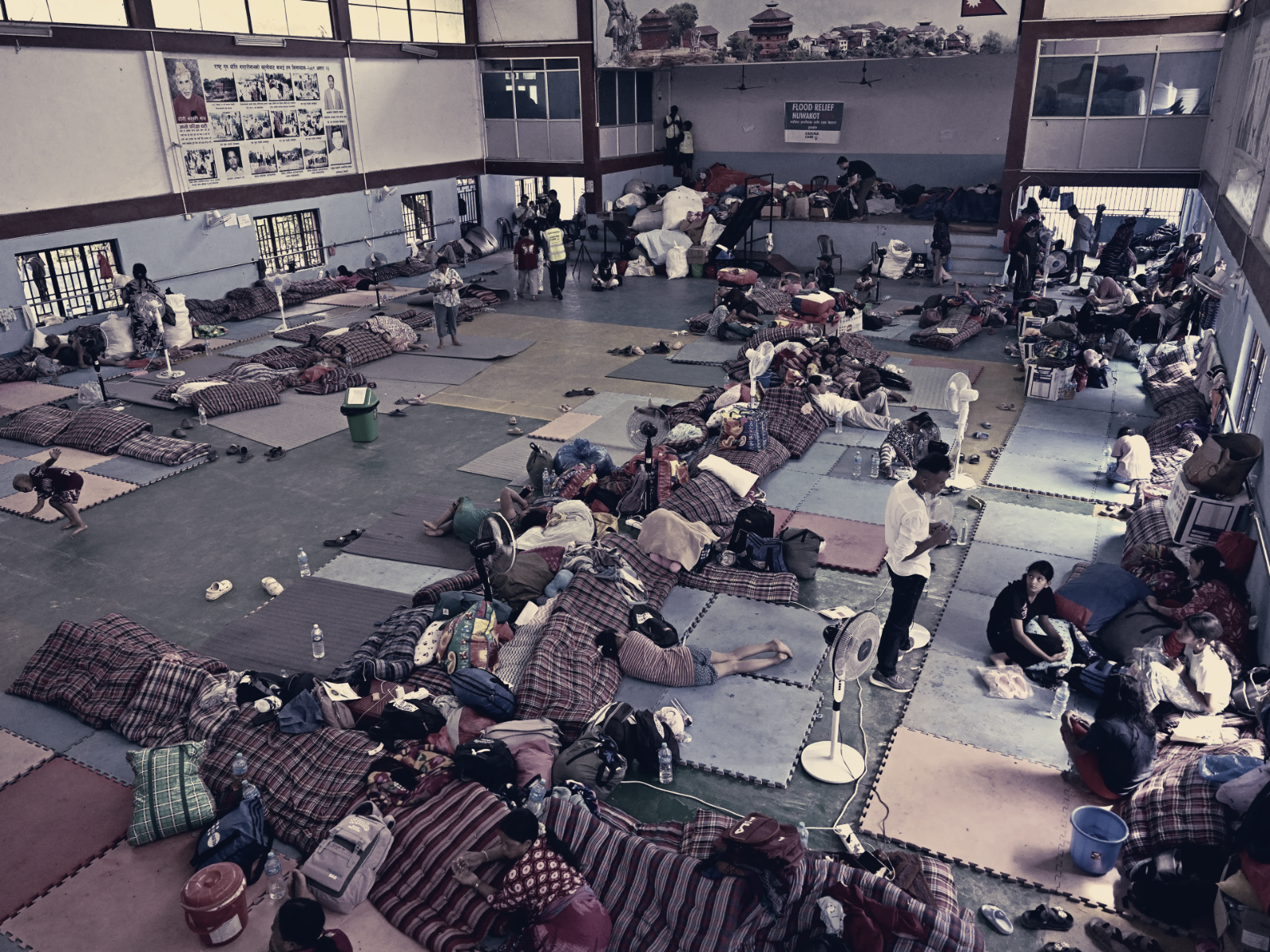
In shelters around Kathmandu, survivors are beginning to process loss and to plan immediate needs. As search teams continue to push into hazardous terrain and investigators work to confirm the collapse’s cause, the UN appeal and Nepal’s pending loss-and-damage claim will shape who pays for recovery and how quickly support reaches affected communities in the coming weeks.