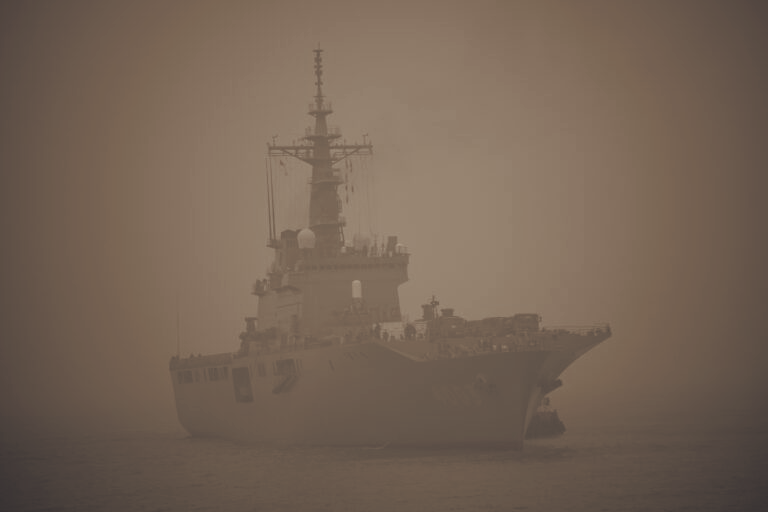
Indonesia's capacity to battle the season's blazes increased this week after Japan moved a landing ship, heavy-lift helicopters and roughly 300 Self-Defense Forces personnel into Kalimantan. The transport ship JS Kunisaki docked at a port in Mempawah district on Borneo, accompanied by three CH-47 helicopters and a contingent of JSDF personnel on a disaster relief mission.
Japanese and Indonesian forces will operate alongside each other on suppression and containment tasks, a cooperation Tokyo presents as both practical assistance and an opportunity to synchronise tactics. At the port, Col. Syunji Nakahara, commander of the disaster relief activities, said, “To this end, we will learn from the Indonesian military’s operational experience and work in coordination and cooperation with them, striving to ensure that the Indonesian people can lead stable lives as soon as possible.”
The deployment marks the first known instance of the JSDF taking part in an overseas firefighting operation. It also arrives amid a broader tightening of defence relations between Tokyo and Jakarta; officials have held talks that have included the possible sale of Japanese used destroyers, a development that frames this mission as both immediate aid and a stage for deeper security ties.
The emergency is driven by longer dry conditions this year, with an intensifying El Niño and an extended dry season worsening fire risk. Smoke from the outbreaks has travelled more than 800 kilometres, or 500 miles, reaching the Philippines and pushing air pollution above Malaysia’s emergency threshold. Authorities declared an emergency last week in a town in Sarawak, and several areas on Sumatra have reported unhealthy air levels.
Japan’s equipment and crews will focus first on active fire suppression to reduce smoke that is already harming public health across Southeast Asia. Any lasting improvement, officials caution, depends on the weather and the speed and effectiveness of joint operations on the ground. Beyond immediate relief, the mission will function as a test of how Bilateral disaster cooperation can respond to climate-linked hazards that spill across borders.
How quickly regional air quality recovers will be measured in the coming days and weeks against the pace of containment. The JSDF presence in Kalimantan sets a new precedent for Japan’s overseas role in disaster response and offers Jakarta an influx of lift capacity at a critical moment for public health and regional diplomacy.