New DNA techniques have allowed New York investigators to formally identify a previously unknown World Trade Center victim, giving one family official confirmation and reopening the work of naming still-unidentified victims. Last month the city said the person became the 1,654th individual linked to the attacks, after applying forensic investigative genetic genealogy, also known as FIGG.
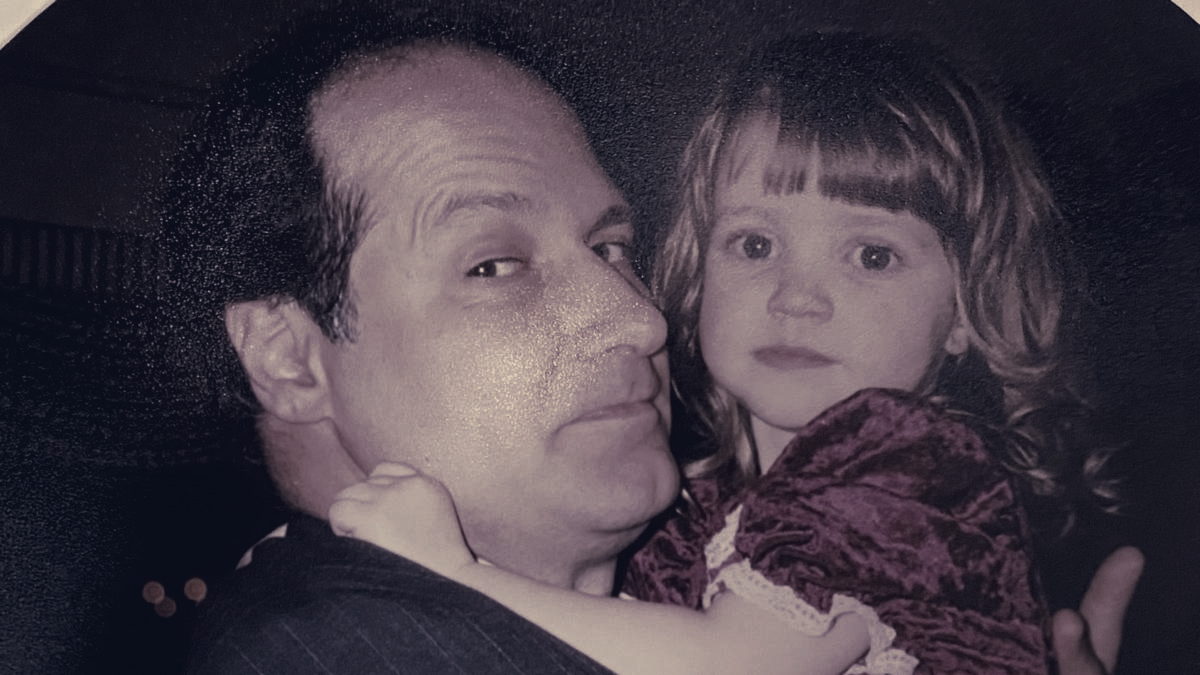
For some relatives, the discovery answers a question that has lasted decades. Juliette Scauso was four when her father, Dennis Scauso, an FDNY hazmat unit member, died on 11 September 2001. His helmet, with his badge number, was recovered months after the attacks, but his remains were never identified. "I've spent essentially my entire life knowing my father died, and learning to live with the fact that we never recovered him," she said.
The Office of Chief Medical Examiner has maintained records and custody of material from 2,753 people who died at the World Trade Center, and it says roughly 60% of those victims have been identified. Nearly 3,000 people died in the World Trade Center attacks on 11 September, and more than 1,000 New York victims still lack a confirmed identity.
Investigators say identification work has been unusually difficult because many remains were heavily damaged by the crashes and fires, and because large-scale recoveries sometimes mixed personal items and uniforms. Anticipating future advances, the medical examiner preserved and sealed recovered material so it could be retested as laboratory methods improved.
In the pandemic and post-pandemic years, officials shifted away from relying solely on fingerprints and dental records once those routes were exhausted, turning increasingly to DNA. Teams have extracted genetic material from preserved samples and used newer sequencing methods. FIGG applies whole genome sequencing to broaden the circle of potential family matches to more distant relatives; the NYPD then investigates and tries to locate closer kin once a genetic link is suggested.
The medical examiner counts 1,495 victims identified using DNA since 11 September, through pure DNA matches or combinations of methods. Last year the city used DNA to name three additional victims, among them Ryan Fitzgerald, a 26-year-old currency trader, and Babara Keating, a 72-year-old passenger on American Airlines Flight 11.
Officials note different outcomes at other attack sites: five of the 184 people killed when American Airlines Flight 77 struck the Pentagon were never identified, while all 40 victims aboard United Airlines Flight 93 were identified using DNA, dental records and fingerprints. In New York, material that yields an identification may be interred, or families can ask that it remain at a repository beneath the 9/11 memorial site’s bedrock, accessible only to medical examiner staff; a nearby reflection room provides a private space for relatives.
Medical examiner personnel say they continue to receive weekly inquiries from relatives seeking updates. The office plans to apply FIGG and other advances to additional sealed remains in the years ahead, offering more families the possibility of formal identification while prompting fresh grief and decisions after confirmation.