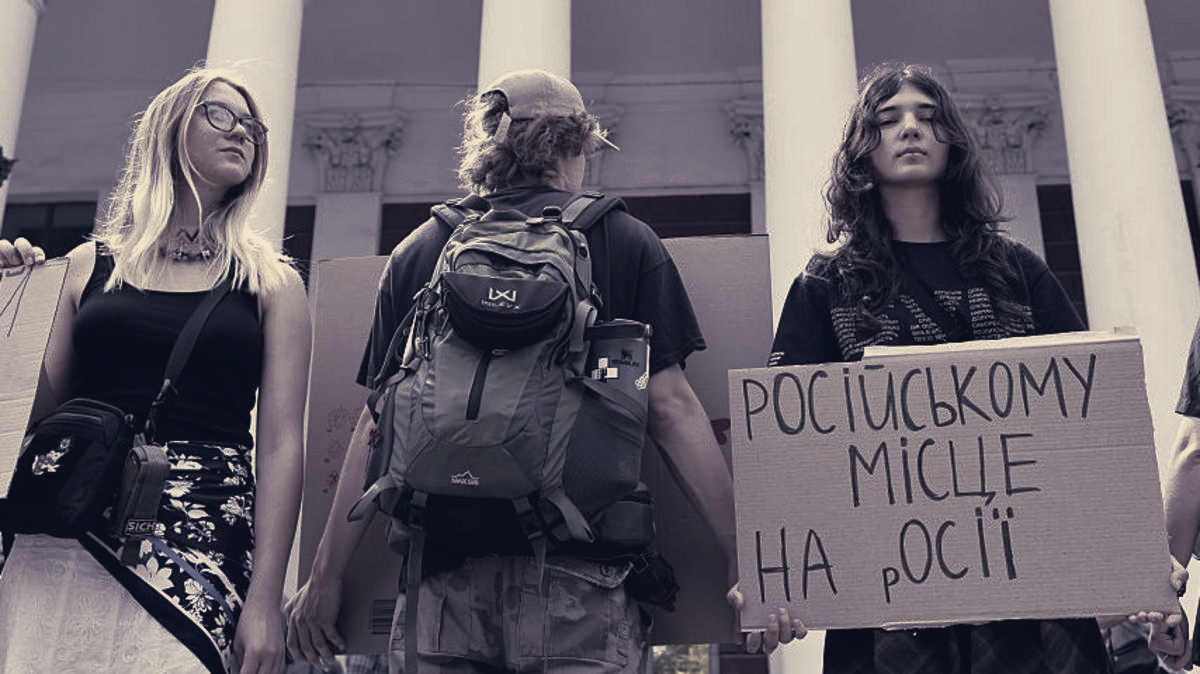

Odesa could remove Russian-language music and literature from public life, a move that would strip performances and displays from streets, parks and state-run cultural venues. Councillors will decide this week whether to adopt a proposal that would extend national language restrictions and press private operators to follow suit.
The plan targets public-facing art and entertainment, recommending that privately owned shops, cafes and theatres drop Russian-language content even though everyday speaking would remain legal. Supporters say the measure addresses a tool of Russian influence, particularly amid daily drone and missile strikes on the port city, and helps "decolonise" Odesa's cultural landscape, a lawyer advising the council, Artem Kartashov, told the BBC. "The Russian language is a weapon of Russia, and we need to try to fix that," he said.
Opponents argue the policy erases the city’s complex heritage and penalises citizens whose first language is Russian. Comic actor Borys Barsky, who runs the Mask Theatre, said the move serves only the Russian president. "Russian isn't [only] the language of Putin, it's the language of [writers like] Dostoyevsky and Bulgakov," he said, adding that singling out language harms people who are loyal to Ukraine but speak Russian.
Under current national rules from 2019, Ukrainian is required in many public and professional settings and staff must greet customers initially in Ukrainian, though they may switch if a client prefers. Public performance of songs by Russian citizens is already banned with some exceptions for artists who have denounced the war. The Odesa proposal would go further by banning Russian-language songs written or performed by Ukrainians in public places, and by removing Russian-language books from public library displays that are currently allowed, but not to be prominent.
Enforcement in private venues would be advisory rather than statutory, yet local officials say businesses often comply with council decisions because they rely on permits, leases and other interactions with authorities. Odesa’s language ombudswoman, Anna Nerush, said the measure could exert pressure even without explicit sanctions, and that private celebrations where speech cannot be heard outside would not be affected.
The council vote this week will determine whether the proposal becomes a binding municipal policy, and whether pressure on private enterprises increases. Regardless of the outcome, the debate underscores the tension between protecting national identity and accommodating a predominantly Russian-speaking population in a city at the frontline of the war.