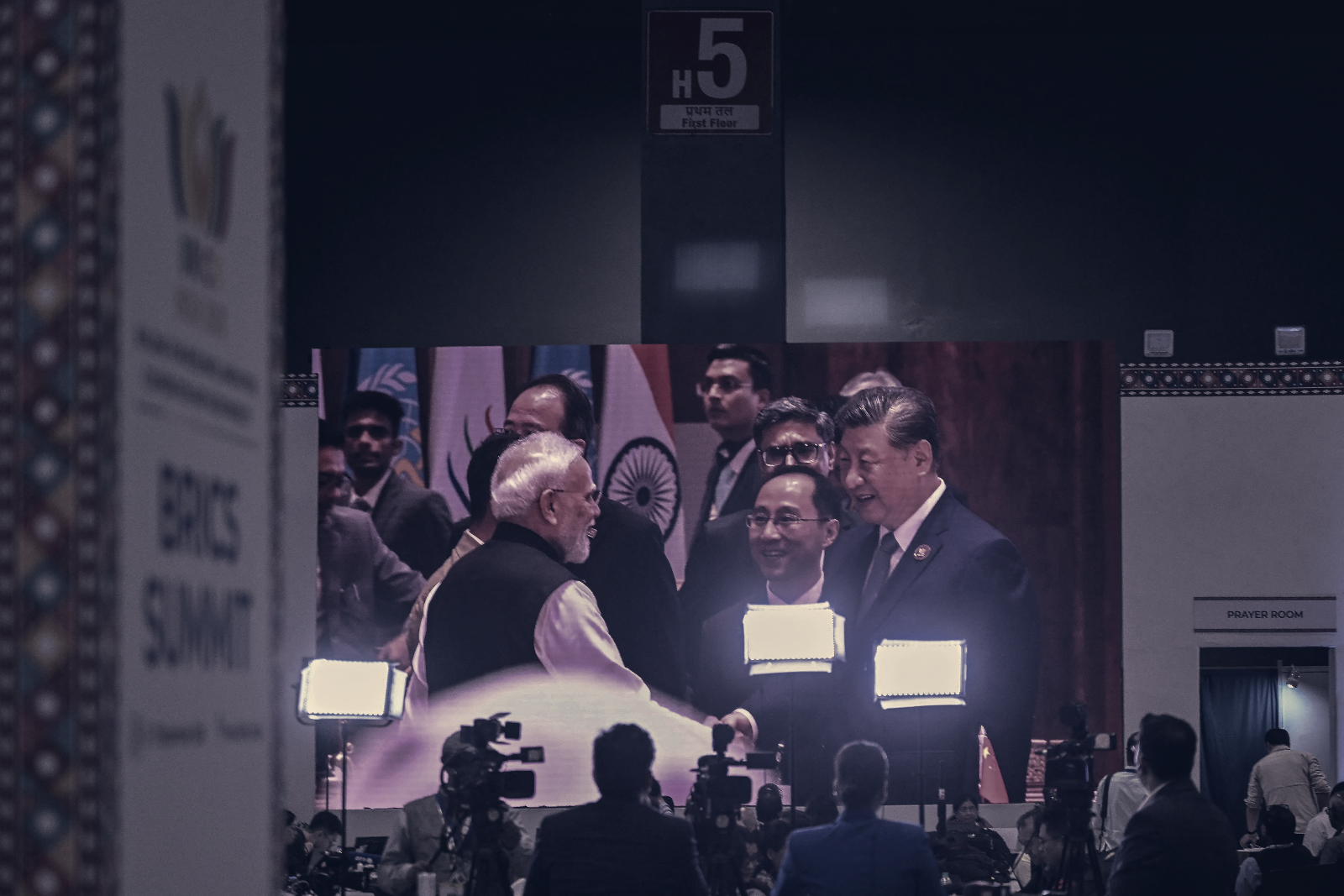
A calmer India-China border is now the stated precondition for deeper relations and for talks to narrow India’s record trade deficit with China. Indian Prime Minister Narendra Modi told a bilateral meeting on the sidelines of the BRICS Summit that "peace and tranquility" in border areas is essential for developing bilateral relations, and both leaders set out commitments to resolve long-running disputes and economic imbalances.
The meeting follows more than a year of thawing after relations deteriorated sharply following a deadly 2020 skirmish. Chinese President Xi Jinping’s visit to India marked his first trip to the country in seven years. A government readout said the two leaders agreed on a "fair, reasonable, and mutually acceptable" approach to settling the border issues and on taking a "strategic and long-term perspective of their ties," with an explicit intent not to let differences become disputes.
Border tensions date back decades and culminated in a war in 1962. Negotiations continued this year: last month the two sides completed the 25th round of talks on the boundary and reported eight points of outcomes and consensus aimed at resolving the long-standing dispute. That process, officials say, now underpins the diplomatic thaw.
The economic imbalance between the neighbours also featured in the talks. Total bilateral trade reached a record $151.1 billion in the year ending March 2026, while India’s trade deficit with China widened to $112.16 billion, from $99.21 billion. The leaders’ readout said they will address concerns about the structural trade imbalance, supply chain bottlenecks and predictable market access.
Tangible steps have already accompanied the diplomatic warming. Since Modi and Xi’s meeting in Tianjin last year, direct flights between the countries have resumed, a small number of older Silk Road trade routes have reopened, and in March India eased some rules on investment from Beijing. The most recent summit-level meeting reaffirms both capitals’ intent to translate those openings into negotiated settlements on borders and economic grievances.
Both sides framed the outcomes as part of a longer-term effort. The immediate roadmap points to using the eight-point consensus from the 25th round of boundary talks and the commitments on trade to guide follow-up negotiations and implementation.