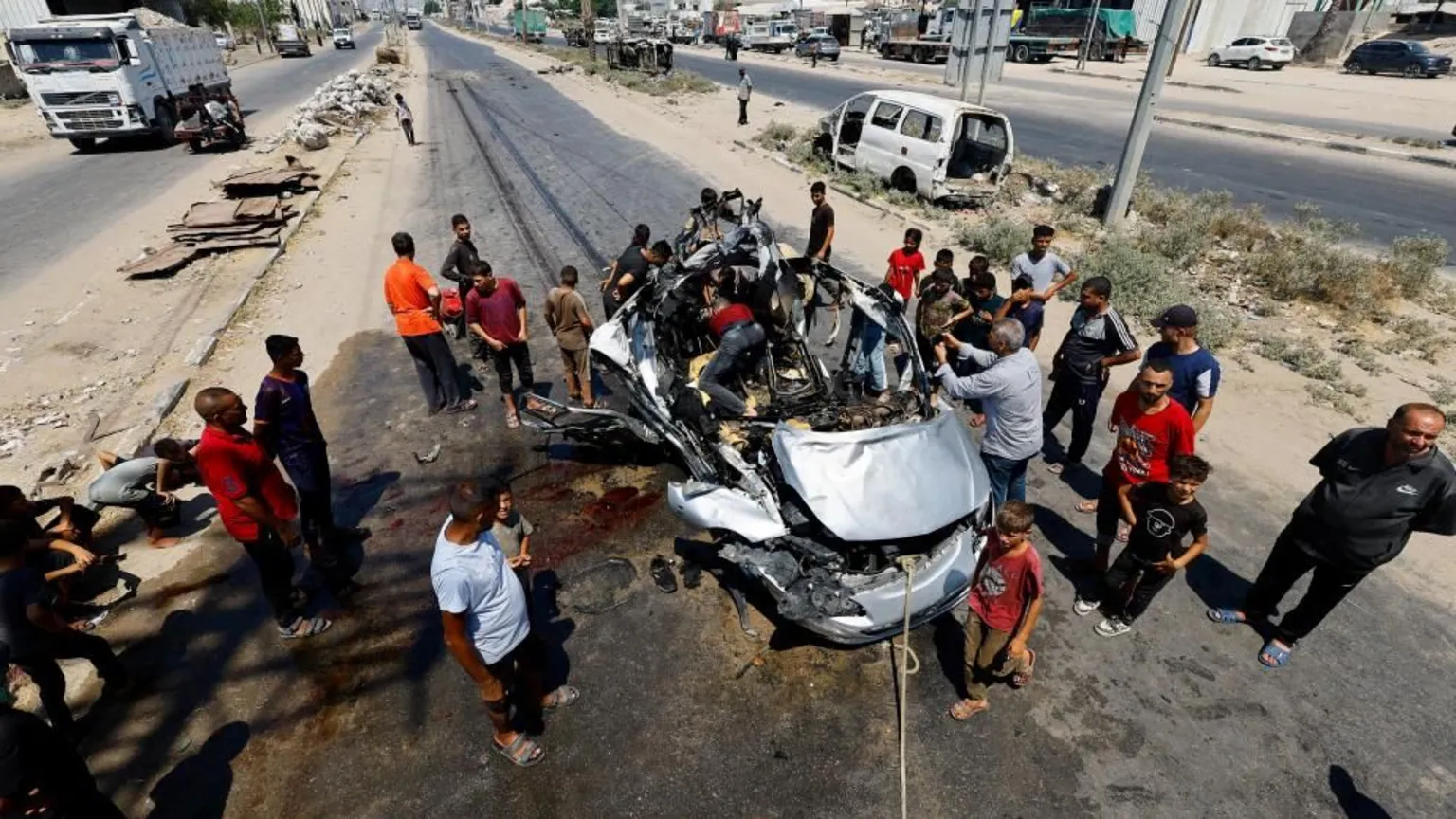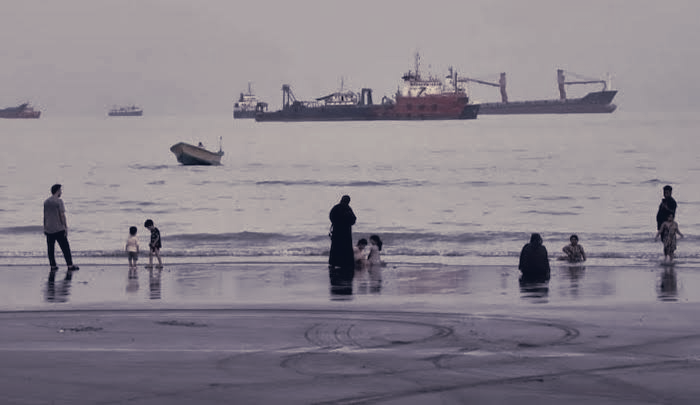

Two Filipino sailors were killed after the Saudi-owned tanker SIDR was attacked while transiting the Strait of Hormuz this week, the vessel's operator confirmed. Bahri said on X, "Bahri confirms that its vessel SIDR was involved in a security incident while transiting the Strait of Hormuz" late on Monday, adding it "the loss of its two Filipino seafarers."
A Greek security firm had earlier reported that the ship was struck by unknown projectiles on Monday, and Greek maritime risk manager Marisks said unidentified projectiles hit two oil tankers overnight Monday to Tuesday. Kpler data shows both vessels had loaded two million barrels of crude at Juaymah on Saudi Arabia's east coast last week.
The episode is part of a wider spike in maritime violence as the conflict between Iran and the United States deepens. Six months into the war, the two sides remain at an impasse, with Iran disrupting traffic in the Strait of Hormuz through a blockade while the United States maintains a counter-blockade of Iranian ports. The United States renewed attacks on Iran this week, and Tehran has struck back in the Gulf, primarily at US assets.
Iran's Islamic Revolutionary Guard Corps said two oil tankers caught fire after striking mines while transiting the strait. Tehran has also said it will charge service fees and has targeted ships it accuses of trying to bypass its preferred route through the waterway. Attacks on commercial shipping previously precipitated the collapse of an April ceasefire between the United States and Iran.
The death of the two seafarers underscores the heightened danger for commercial crews and the fragility of oil supply routes that cross the strait. Shipping lines, charterers and insurers face renewed operational and financial risk while the naval standoff persists, and further incidents would deepen disruptions to tanker movements and crude flows that were already affected by recent strikes.
For now the situation remains volatile, with competing claims about mines and projectile strikes and no immediate sign of de-escalation. The immediate next risks include additional attacks on commercial vessels and further interruption to crude shipments through one of the world's most critical chokepoints.