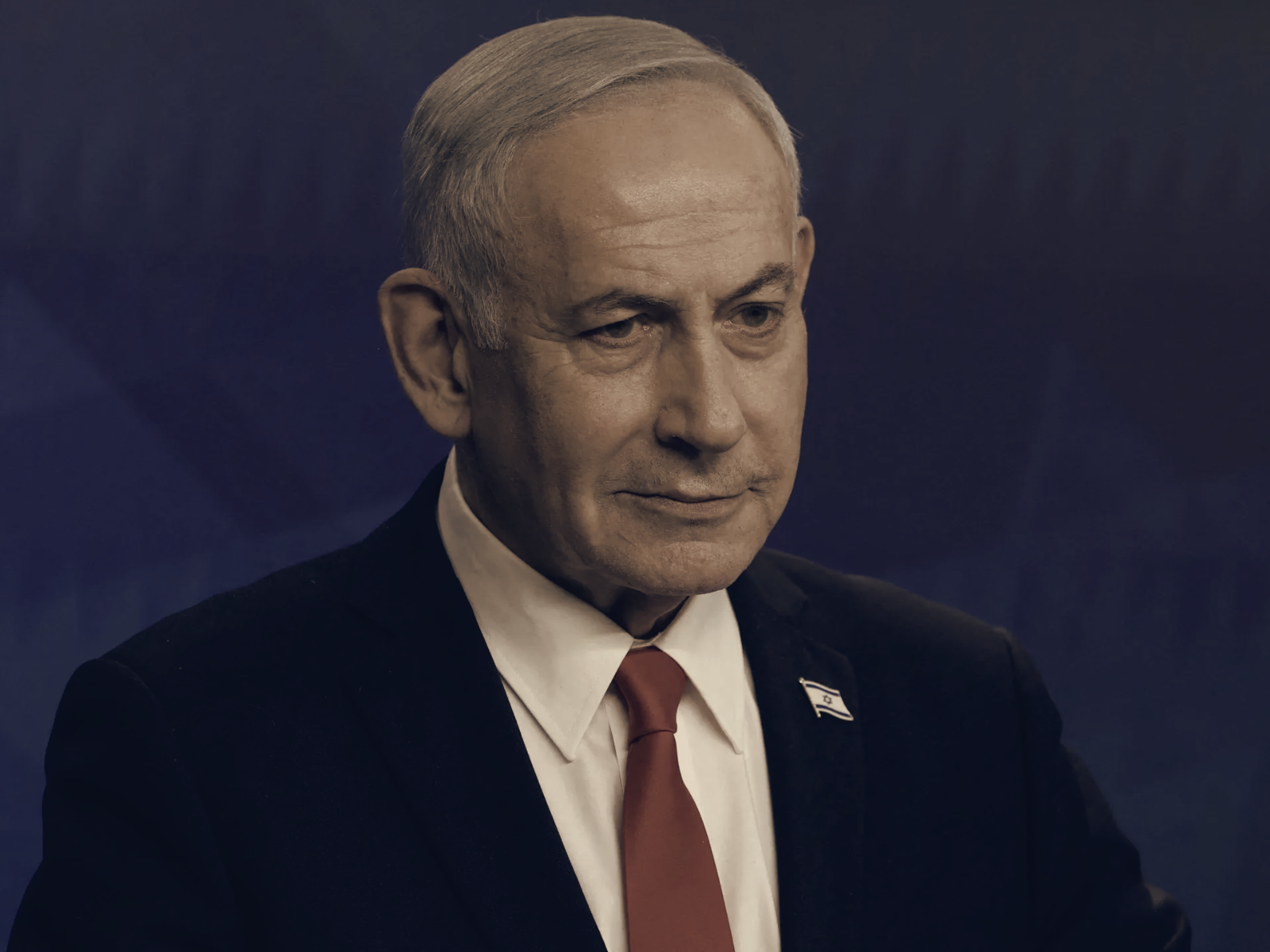

In an interview with i24NEWS that he posted on social media, Netanyahu said, "I attacked Qatar, I also bombed it and attacked them during the war, and they attacked me." He echoed references to the September 9, 2025 strike on Doha that killed five Hamas members and a Qatari security officer during a meeting about a United States-backed ceasefire proposal.
Doha condemned the raid as a "blatant violation of all international laws and norms," and called it "cowardly." United Nations Secretary‑General Antonio Guterres described the strikes as a "flagrant violation" of Qatar's sovereignty. Qatar has hosted Hamas's political office, a role Doha says it accepted after requests from the United States in 2012, and Qatari leaders deny funding Hamas operations directly.
At the Doha Forum Sheikh Mohammed bin Abdulrahman bin Jassim Al Thani rejected claims that aid finances Hamas, saying they have "no basis," and adding, "All our aid ... went to Gaza, went to the people, and was under a very transparent process that the United States is fully aware about."
Netanyahu also defended Israeli-facilitated transfers of millions of dollars into Gaza, saying the move followed recommendations from Mossad and Shin Bet and was meant to meet humanitarian needs. Critics have alleged some of the funds may have aided Hamas ahead of the October 7, 2023 attack on Israel, an allegation Qatar rejects. The prime minister's admission shifts the focus from largescale diplomacy to the mechanics of how cash was approved and monitored.
International reactions to the Doha strike included condemnation from Iran and Pakistan, and leaders from Jordan, the United Arab Emirates and Saudi Arabia visited Qatar to signal support. Domestically, Netanyahu faces mounting pressure over the Gaza war, the economy and tensions with Iran.
The interview arrives weeks before Israelis vote on October 27 in the country's first general election since the Gaza war began in 2023. Analysts and critics cited by observers say Netanyahu has repeatedly escalated foreign disputes ahead of polls to rally nationalist voters, making the Qatar episode a potential campaign flashpoint and a test of how regional diplomacy will shape domestic politics.