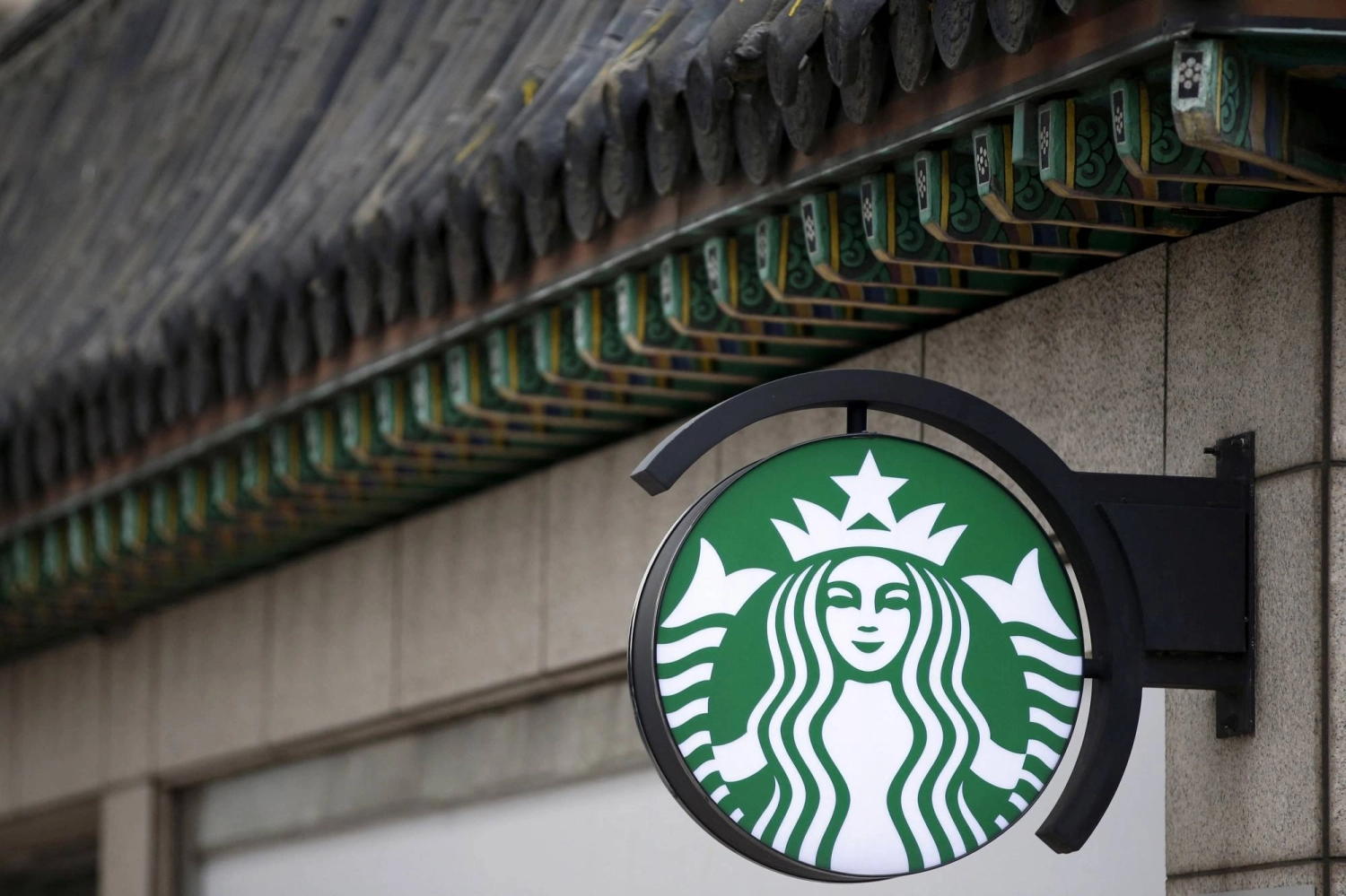
South Korean police have raided the headquarters of Starbucks Korea over defamation allegations linked to the company's controversial "Tank Day" marketing campaign.
The promotion, launched in May, advertised a coffee tumbler under the name "Tank Day" on the anniversary of the 1980 Gwangju Uprising, during which hundreds are believed to have been killed by military forces.
The campaign triggered widespread criticism, with many saying the name referenced the military vehicles used to suppress pro-democracy demonstrators. The backlash led to a nationwide boycott movement.
Starbucks Korea withdrew the promotion, saying any connection to the historical event was unintentional.
Civic groups later filed a criminal complaint against the company, accusing it of defaming victims of the military dictatorship and calling for a police investigation.
Shinsegae Group, which operates Starbucks in South Korea, said an internal investigation found that the campaign was not intentionally linked to the Gwangju Uprising.
The company said the team behind the promotion did not recognise the historical significance of the name, while senior management also failed to identify the issue before the campaign was launched.
In June, Starbucks stores across South Korea closed for half a day to allow employees to attend history lessons.
Shinsegae apologised for what it described as "inappropriate marketing" and said the controversy had caused a significant decline in Starbucks sales in one of the company's largest markets.
The promotional campaign also drew criticism for using the phrase "tak on the table!", which resembled the sound of an object hitting a surface. Critics noted that "tak" was also used in a controversial police statement describing the death of a student activist in custody in 1987.
South Korean President Lee Jae Myung condemned the campaign, saying it "insults the victims and the bloody struggle" of Gwangju residents.
The controversy also became a political issue during the country's local election season, with the government announcing a boycott of Starbucks while opposition figures criticised the move as government overreach.
Since then, Starbucks cups have been adopted by some right-wing commentators and protesters as a symbol of opposition to the Lee Jae-myung government.