
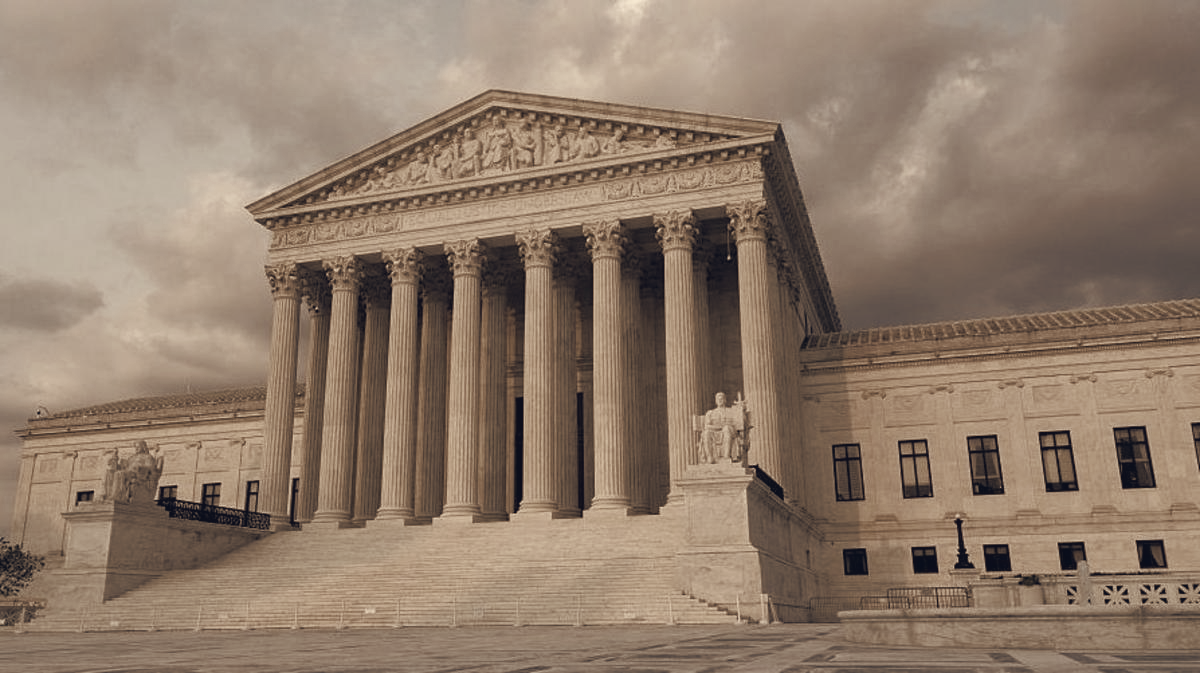
The Supreme Court's action keeps existing mail-in voting procedures in place for the November midterm elections, a clear setback for President Donald Trump's effort to impose new Postal Service rules. The justices declined to lift a federal judge's injunction that had stopped the US Postal Service from implementing a package of changes to how postal ballots are handled in the run-up to the election.
President Trump issued an executive order in March directing the Postal Service to introduce measures such as unique barcodes on ballot envelopes and to limit delivery to voters listed as citizens, backed by an online portal requirement for state and local officials. Twenty-three states and Washington DC sued to block the order, and the postal workers' union raised concerns that election clerks could not be trained in time if the changes moved forward. A Boston federal judge, Indira Talwani, issued the injunction on 4 September, finding that implementing the measures close to November could disenfranchise voters.
In a concurrence Justice Brett Kavanaugh, a conservative, agreed with upholding the temporary block but signalled the decision might not be the final outcome. He wrote there was "at least a fair prospect that the final rule falls within the Postal Service's statutory authority," while adding that in his view "applying the rule in the 2026 elections would be arbitrary and capricious." Two other conservatives, Justices Samuel Alito and Clarence Thomas, dissented, calling the challenge a "Hail Mary pass" and asserting, "The Postal Service has broad authority to regulate the mail."
The White House did not immediately comment on the ruling. The Trump administration has argued in court filings that the Postal Service has rule-making authority and that states cannot insist their election mail be exempt. Lower courts have already split against the administration: an appeals court recently refused to stay Judge Talwani's order, and another federal judge, Carl Nichols, also ruled against the plan.
About 30% of voters, mostly Democrats, used postal ballots in the most recent general election, and some states have begun distributing mail ballots for the midterms, which will determine control of Congress. With litigation still active and competing rulings in lower courts, the Supreme Court's decision preserves the status quo for now but leaves open the possibility of further challenges and a different final outcome.