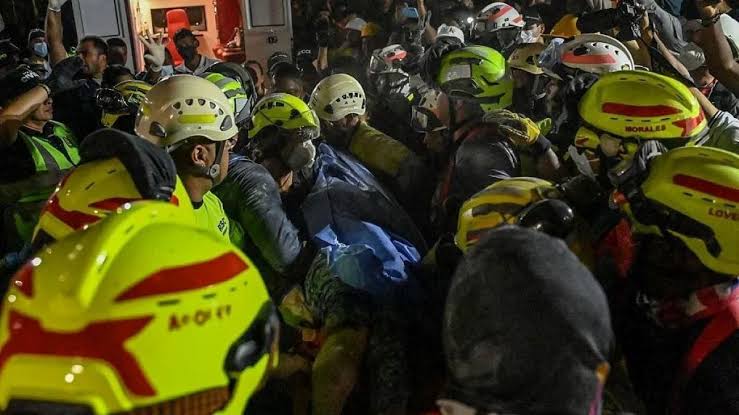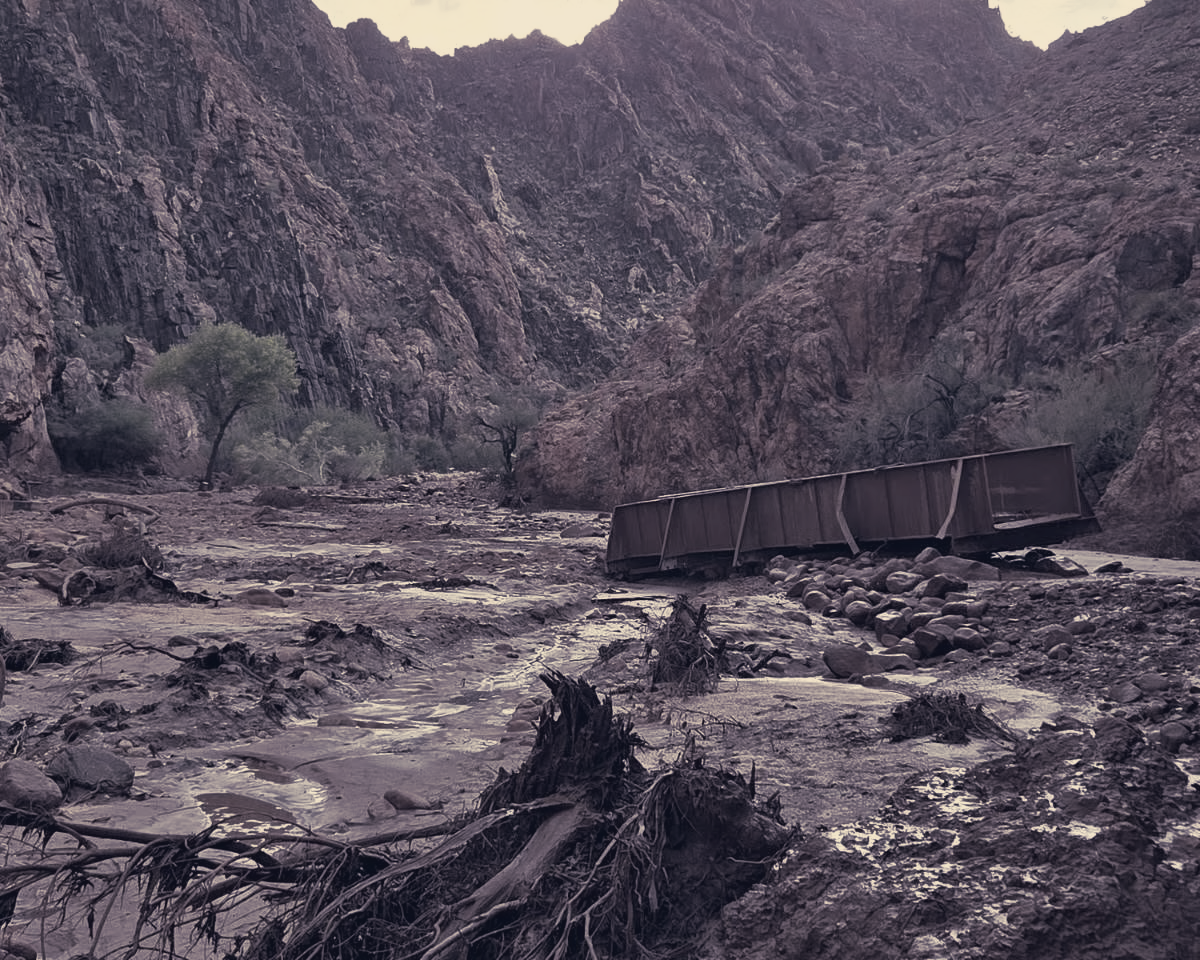

At least two people have died and 15 remain missing after a sudden wall of water and debris swept through Bright Angel Creek in the Grand Canyon over the weekend. The surge struck the heavily visited Phantom Ranch area, sweeping away bridges and forcing helicopter evacuations as visitors and staff fled rising water and mud.
Flash floods are a seasonal hazard in the canyon, which sees its greatest risk during the monsoon season from June to September when intense storms can develop quickly. The canyon’s steep, rocky topography channels runoff into narrow draws, turning heavy downpours into fast-moving, destructive flows.
Officials and scientists say several climate and landscape factors likely combined to make this event so destructive. The storm struck ground recently burned by the Dragon Bravo wildfire, which consumed roughly 150,000 acres (60,700 hectares) and destroyed the historic Grand Canyon Lodge in July 2025. Burn scars reduce vegetation and soil stability, so runoff and debris travel faster and farther than they would over intact terrain.
Federal modelling cited a marked increase in the risk of debris flows along Bright Angel Creek, with some areas upstream of Phantom Creek showing runoff risk two to eight times higher than before the fire. Park managers had warned earlier in the summer that storms over burned slopes could create especially hazardous conditions for hikers and infrastructure.
Climate scientists point to larger atmospheric drivers as well. The historic El Niño this year has raised Pacific sea surface temperatures and increased atmospheric moisture over the southwestern United States, a condition that amplifies rainfall when storms pass over the region. Park Williams, a hydroclimatologist at the University of California, Los Angeles, said higher water vapour tied to El Niño tends to be released as heavier rain in the south-west.
Daniel Swain, a climate scientist at the California Institute for Water Resources, described the connection between human-caused climate change and extreme rainfall in Arizona as moderately strong. Swain and colleagues have published research in Weather and Climate Extremes examining the rise of short, intense summer downpours in the US west.
Researchers increasingly warn that compound extremes, drought, wildfire, and intensified storms occurring together, drive outcomes that are more severe than any single factor alone. Recovery and search operations are under way, and park officials face the immediate task of assessing post-fire slopes, repairing damaged infrastructure, and warning visitors about elevated flood and debris flow risk for the remainder of the season.