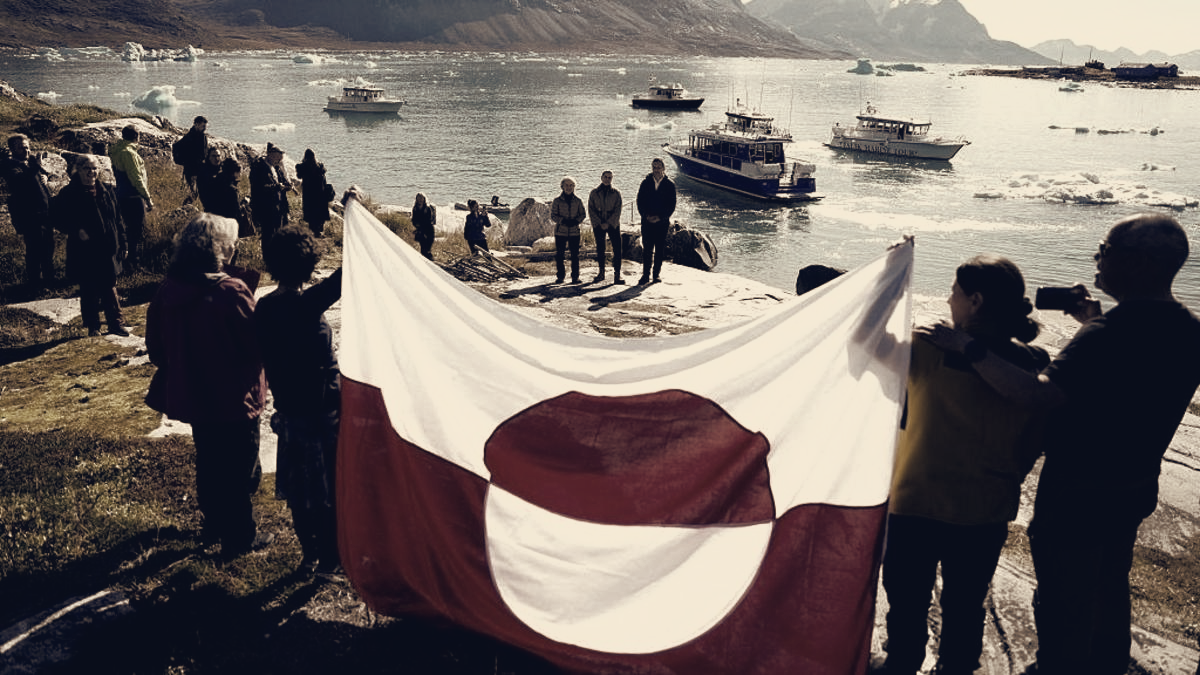
If confirmed, the deal President Trump says he reached with Denmark would hand the United States "permanent control over security, and all other needs, in Greenland", a transfer of authority the president described in public remarks. That claim frames the principal consequence: a lasting shift in who manages security on the island, but officials have not published the agreement or its implementing provisions.
The announcement follows a period in which the president had publicly raised the idea of extending American control over Greenland, and it presents Denmark as the negotiating partner that agreed to terms Mr Trump summarised. The administration's summary rests on the president's description of the accord; outside observers and the public have not yet seen the legal text, nor has a timetable for entry into force been released.
The lack of disclosed details leaves open several questions. It is not clear what "permanent control" would mean in practice for the organisation of defence, civil administration, or the rights of local authorities on Greenland. The phrase also leaves unspecified whether the arrangement would require legislation, formal treaty ratification, or new basing or command arrangements between the two countries.
For now, the development is defined by the president's statement rather than by a publicly available instrument. That makes parliamentary and diplomatic scrutiny the immediate next step: interested parties will press for the text, for legal assessments of how the agreement sits with existing sovereign and administrative arrangements, and for clarification of timelines and mechanisms for implementation.
Until those documents appear, the central fact established by the announcement is a claimed transfer of enduring security authority to the United States, with Denmark identified as the consenting partner. Whether that claim will be borne out by the written agreement, and how Greenlandic institutions will be affected, will depend on the provisions that remain to be produced and reviewed.