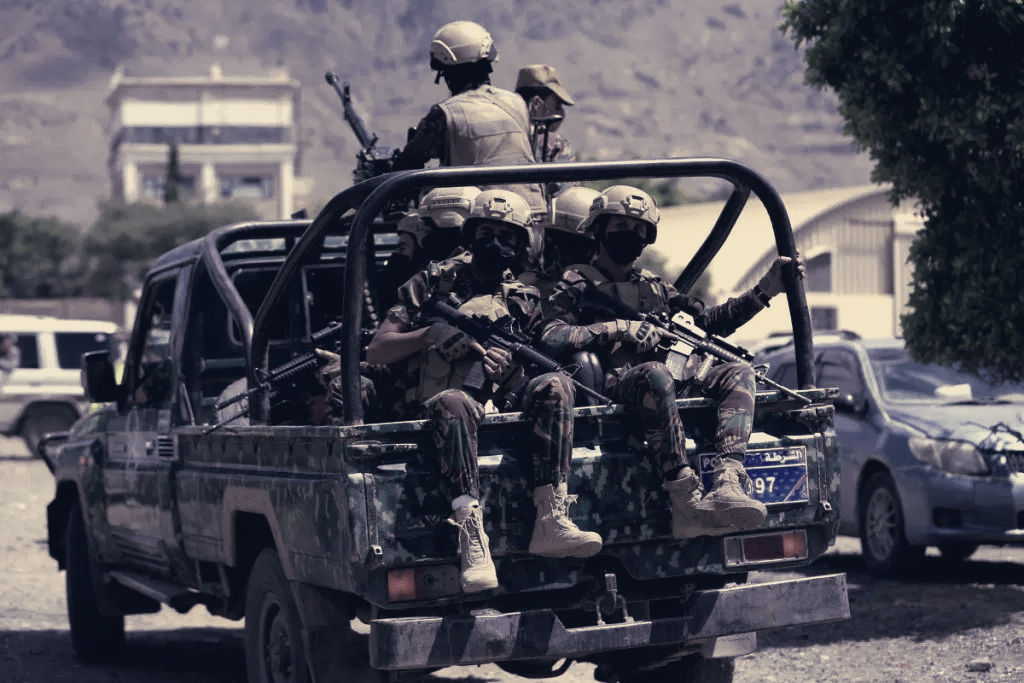
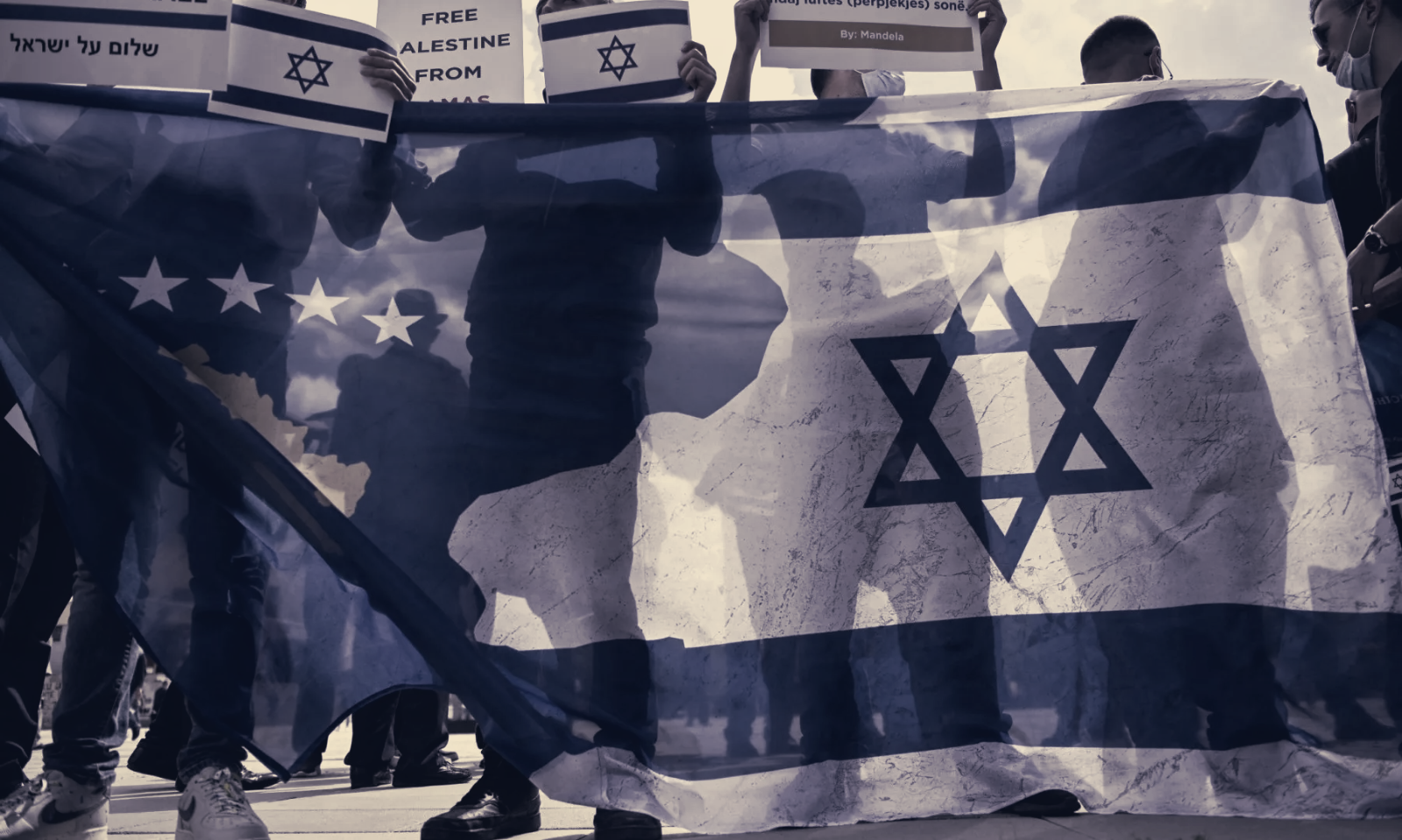
Kosovo has signed up to the United States-led Gaza International Stabilisation Force after receiving Israel's approval, a decision that exposes how deeply Pristina’s foreign policy is shaped by its relationship with Washington. The proposed mission, intended to support security, demilitarisation and training in Gaza, still lacks a clear mandate and composition, and its legitimacy has been questioned by Palestinian actors and legal experts.
For Pristina the choice carries strategic urgency. Kosovo’s statehood and security depend on international recognition and NATO protection, realities that shape how leaders calculate diplomatic risks and rewards. Kosovo has relied on NATO’s KFOR presence since the 1999 withdrawal of Serbian and Yugoslav forces, a moment that followed a 78-day NATO air campaign and the wartime deaths of more than 10,000 Kosovo Albanian civilians. Those events cemented a political link to the United States that continues to guide policy.
Analysts in Pristina say that history helps explain the government’s tilt toward Israel and the United States. Nexhmedin Spahiu, a university professor and political analyst, argues that Kosovar Albanians feel a moral obligation to the US and to pro-Israel influence in Washington. "People in Kosovo feel they have a moral debt," he said, "and that is the reason for Kosovo’s approach to Israel." He added, "Kosovo’s moves towards Israel are the price of aligning with American policy. It is about repaying old debts."
Other experts frame the relationship as transactional but consequential. Donika Emini, a research fellow at the University of Graz’s Centre for Southeast European Studies, called Israel’s recognition of Kosovo and the opening of an embassy in Jerusalem "unquestionably a major diplomatic and political achievement." She said the ties have moved beyond recognition toward "a broader strategic partnership," and that joining a US-led initiative gives Kosovo sought international visibility and a chance to show it can contribute to security.
Pristina presents participation as reciprocity for the international forces that helped end repression and enabled Kosovo’s eventual independence. Prime Minister Albin Kurti has said Kosovo was ready to assist Gaza because the country benefited from international deployments after 1999. Yet Kosovo’s lack of UN membership narrows the avenues through which it can engage in peace operations, making Washington’s initiatives one of the few paths to a substantive role on the international stage.
The decision leaves open immediate questions. The Gaza force’s legal standing and operational scope remain unclear, and Kosovo’s participation may attract criticism at home and from Palestinian representatives. For now, the move cements a pattern: Kosovo trading diplomatic capital to reinforce the security guarantees and recognition provided by its most important external backer, the United States.