The United States signalled a higher near-term risk of carrying out strikes if work at Pickaxe Mountain continues, after President Donald Trump publicly threatened Tehran at the midterm Republican convention. The warning links U.S. military posture to the political calendar and leaves open the prospect of further kinetic action if the site’s activity persists.
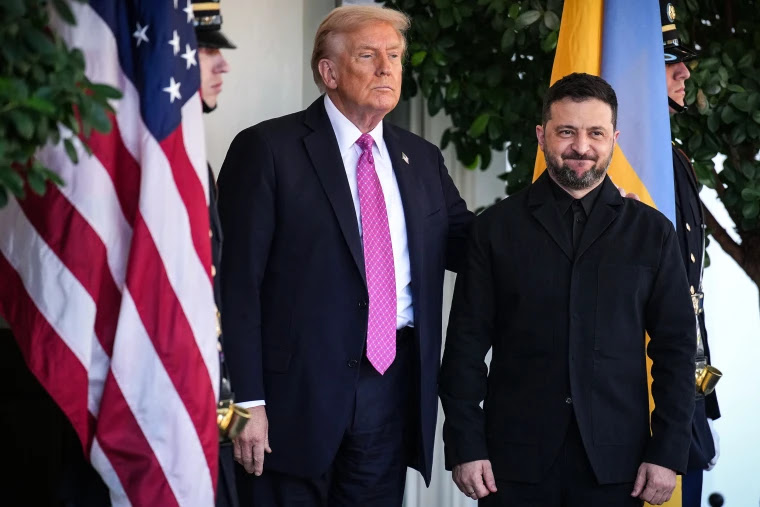
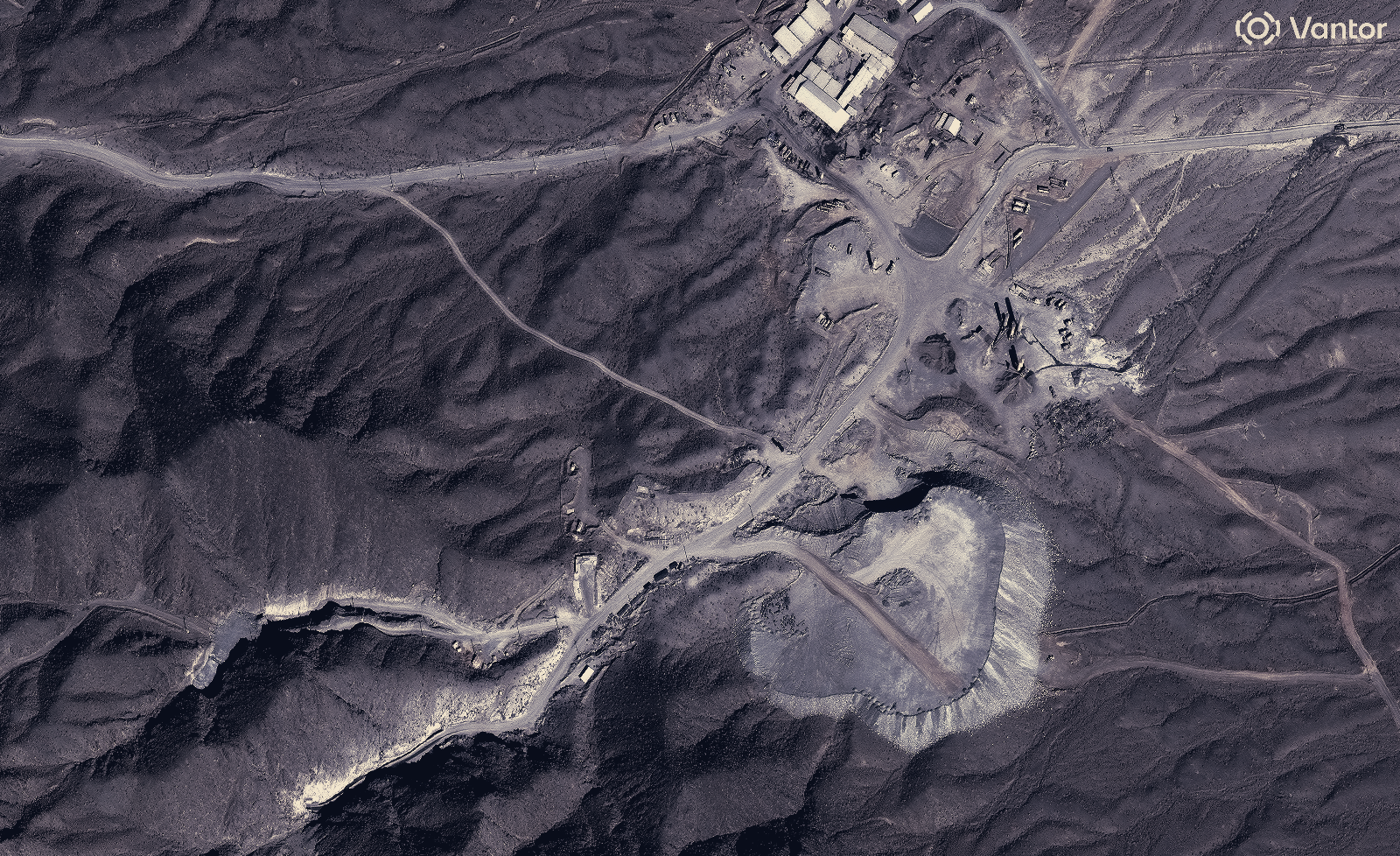
Speaking to reporters and delegates, Trump said, "We notice there's a little activity at Pickaxe. I would advise Iran not to get cute because we will have to hit them very hard." Pickaxe Mountain, also known by its Farsi name Kuh-e Kolang Gaz La, sits roughly two kilometres from Iran’s damaged Natanz uranium enrichment complex and is regarded by analysts as one of the remaining elements of Tehran’s nuclear effort.
A fresh analysis of satellite imagery by the Center for Strategic and International Studies found more road movement at the site in 2026 than at any previous moment and described a surge in construction. CSIS said the pattern suggests the work has moved from excavation toward internal fit-out and strengthening of exterior structures, though the think tank said it could not verify reports that centrifuges had been placed inside. That ambiguity means Western officials must weigh visible aboveground activity against unverified claims of equipment installation when deciding whether to act.
The warning comes amid an exchange of strikes and counterstrikes around the Strait of Hormuz. U.S. forces said earlier this year they destroyed five Iranian oil tankers in response to repeated Iranian Revolutionary Guard Corps missile attacks on a U.S. Navy warship. Iran reported it had fired ballistic missiles at a U.S. base in Jordan and said it had attacked 10 ships near the Hormuz waterway, a channel that normally handles about 20% of the world’s seaborne oil. Those incidents, together with expanded fighting involving Saudi Arabia and Houthi forces in Yemen, have pushed energy traders to watch for further supply disruptions.
International benchmark Brent crude for November delivery was trading at $100.40 per barrel, down 0.8% on Thursday morning, while U.S. West Texas Intermediate was last seen at $95.51, down 0.6%. U.S. officials previously struck three Iranian nuclear sites in June 2025, including Natanz, Fordow and Isfahan, actions Washington said had set back Tehran’s nuclear weapons prospects. Iran has repeatedly denied seeking nuclear arms. A spokesperson at Iran’s embassy in London was not immediately available for comment.
Trump later told reporters he expected the conflict would end only after the November midterm elections, saying, "I think the war will end immediately after the election because they can't hold out any longer." He also argued some short-term economic pain for American consumers was acceptable to prevent Iran from developing a nuclear weapon. Those comments make clear U.S. officials are calibrating force against both intelligence on the ground and domestic political timing, leaving regional states and global markets to factor election dynamics into their risk assessments.