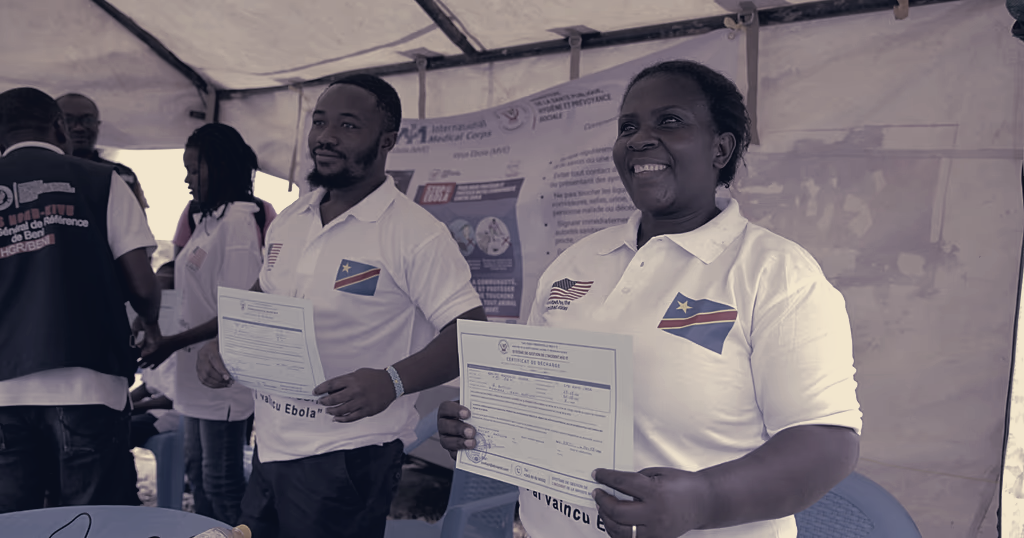

The group included a healthcare worker and had been treated at Doctors Without Borders' Ebola treatment centre and at Béni Hospital. Each received a certificate confirming their cure, thanked medical teams and urged others to seek care if they fall ill.
Health workers and response officials marked the discharges with visible relief, the head of the response coalition calling the event momentous and a source of pride for his team.
Authorities said the wider outbreak has now claimed 2,911 lives, while more than 1,360 people have recovered. Officials describe the current epidemic as the fastest-growing in the country’s history.
Public health teams face exceptionally difficult conditions. The outbreak is spreading against a backdrop of insecurity, population displacement, a strike by health workers and intense movement of people. Displacement sites are of particular concern because residents already live in precarious conditions.
Officials also said the virus has spread from three health zones to nearly 60, with most cases and deaths occurring outside monitored contact networks and inside communities. The World Health Organization has warned the currently out-of-control outbreak is on track to surpass the 2014-2016 West Africa Ebola epidemic, which killed more than 11,000 people. Although the outbreak was declared in mid-May, authorities believe transmission began in February.
The discharge of five survivors offers a narrow counterpoint to a worsening epidemic, but public health leaders say containment will depend on improving security, restoring health services and strengthening community surveillance in the zones where transmission is now concentrated.