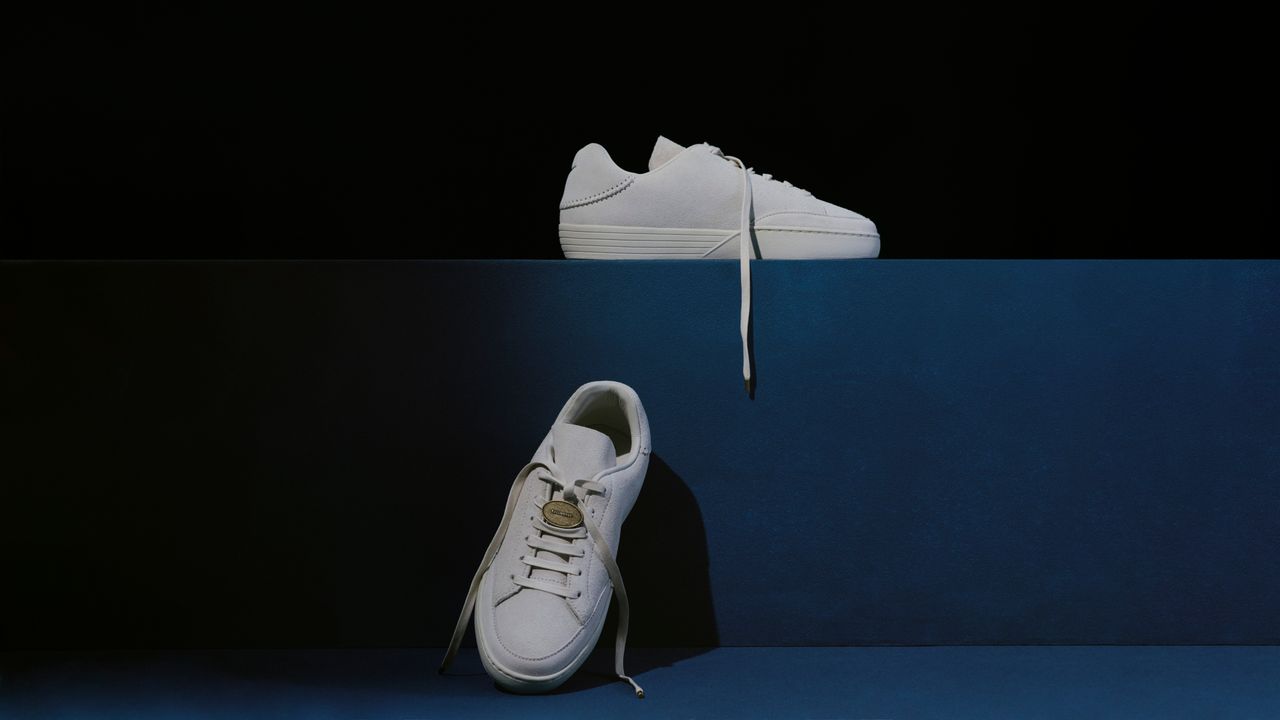

Daniella Kallmeyer has turned a deepening interest in women’s sport into a tangible wardrobe piece, repositioning Nike’s Tennis Centre from court equipment to a refined lifestyle shoe. The New York designer reworked the silhouette in a custom putty tone she calls "travertine," using suede, antiqued hardware, and restrained, visible stitching to make material and construction the focus rather than bright colours or bold logos.
The Story in Pictures
"To be honest, I'm no sneakerhead," Kallmeyer says, describing how a decade of engagement with athletes reshaped her relationship to sportswear. That engagement, she adds, began through personal introductions and events that brought her into the communities around women’s basketball and tennis. Australian tennis player Rennae Stubbs helped open those doors, and later connections with Nike led to the brand hosting Cafe Kallmeyer during WNBA All-Star Weekend last summer.
Rather than tune the shoe for performance, Kallmeyer intentionally framed the Tennis Centre as a lifestyle object. The finish is monochromatic and deliberately subtle, with a nubby suede meant to take on a patina over time. Small details, including a blanket stitch at the heel and antiqued hardware, are intended to emphasise craft and a lived-in feel, rather than sporty color-blocking or flash.
Kallmeyer assembled a creative team to present the shoe as part of a wider cultural conversation about tennis and style. Photographer and artist Collier Schorr shot tennis player Amanda Anisimova and art dealer Jeanne Greenberg Rohatyn wearing the sneaker in two contrasting registers: a stripped-down moment intended to foreground athletic form, and exaggerated takes on classic tennis whites to show how the shoe operates as everyday dress.
The collaboration retails as the Nike x Kallmeyer Tennis Centre for $160 and is available at nike.com, kallmeyer.nyc, and select retailers. As tennis continues to thread through film and fashion, Kallmeyer’s update offers a quieter, craft-focused alternative to louder sporty aesthetics, positioning the Tennis Centre as an object that ages with its wearer.