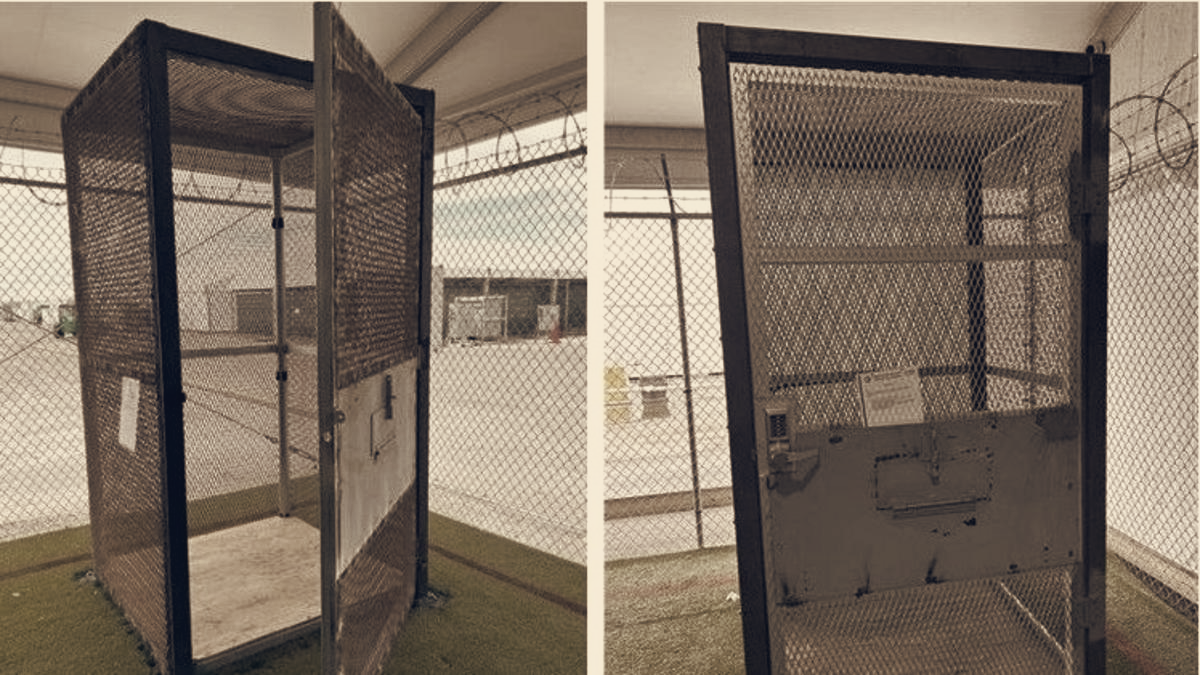
The Department of Homeland Security inspector general found migrants at the now-closed Alligator Alcatraz detention centre were kept in small outdoor metal cages and that the facility failed to meet basic standards for hygiene, medical care, food and safety.
Inspectors described the enclosures as roughly 18sq ft (1.67sq m) and said their use was "unprecedented among detention facilities" and dangerous. The Office of the Inspector General carried out a surprise inspection in January and documented 79 people held in the metal enclosures at various times between July 2025 and January 2026.
According to the report, detainees were placed in the enclosures for periods ranging from minutes to nearly two hours. The facility staff labelled the spaces "calming areas" and said they were intended to give people time to "deescalate and have time alone", but the OIG said the spaces' use was "highly unconventional and does not align with standards for humane treatment." At least once, the report found, the enclosure was used as a disciplinary measure.
Inspectors also recorded failures across basic care. Detainees reported denied medication, limited hygiene, and restricted access to clean drinking water. The OIG said showers were infested with small bugs and detainees were permitted to shower only three times a week. Housing units provided insufficient living space, creating cramped conditions for people who spent most of their time there.
The facility was established by the state of Florida through an executive order signed by Governor Ron DeSantis and opened in 2025. Florida officials built the camp over eight days in the Everglades, a protected wetland known for its alligators. The federal government paid operational costs while, DHS told the watchdog, state officials managed day-to-day operations.
Public attention on the site grew after former President Donald Trump toured the facility and joked detainees would need to learn "how to run away" from reptiles. Civil rights groups had criticised the centre as inhumane. In June 2026, Governor DeSantis said the facility would close because it was intended to be temporary. The OIG report adds a formal record of the centre's short operating period and the conditions inside it.
The report frames a conflict over responsibility between state management and federal funding and documents treatment and safety failures that have drawn public and civil rights scrutiny.