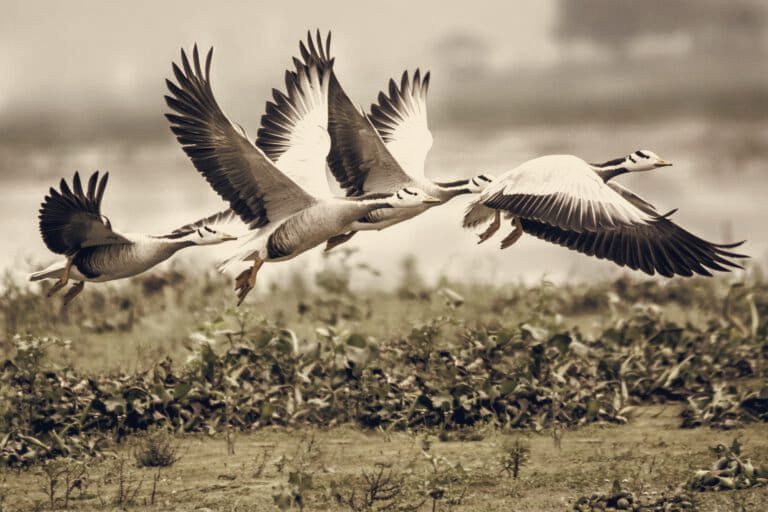
The shrinking numbers of migratory birds are a red flag that ecosystems worldwide face rising pressure, and experts at the Global Flyways Summit urged governments to coordinate conservation across national borders.
Representatives from governments, conservation agencies, non-governmental organisations, financial institutions and donors met in Nairobi from Sept. 8-11 for the summit, hosted by BirdLife International with Nature Kenya, to address growing threats to migratory species and the habitats they depend on. BirdLife used the meeting to present the latest edition of its quadrennial State of the World's Birds report.
The report finds 45% of migratory bird species are declining, and about one in nine faces the threat of extinction. BirdLife singled out shorebirds and seabirds as groups experiencing particularly severe declines.
BirdLife and the report attribute the losses to a combination of pressures, naming habitat loss, agriculture, hunting, pollution and climate change among the principal drivers. Stuart Butchart, BirdLife International's chief scientist, said, "these threats cannot be addressed effectively in individual countries." The summit framed the problem as transnational, with species crossing regions and jurisdictions at every stage of their life cycles.
Organisers illustrated the international reach of the crisis with species examples. The great snipe, Gallinago media, is listed as near threatened and breeds in Scandinavia and western Russia, then spends winters at sites across West, Central and East Africa. The IUCN assessment cited in the summit materials notes the species' numbers are declining rapidly because of habitat loss and hunting pressure.
Summit participants used the evidence in the State of the World's Birds to press for closer coordination between countries, and for conservation policies that follow species across flyways rather than stop at national borders. The underlying message from scientists and delegates was that saving migratory birds will require aligned policies and funding across the range states those species use.
What happens next depends on whether governments and funders convert the summit's warnings into coordinated action along flyways, and into interventions that address the mix of habitat loss, agriculture impacts, hunting, pollution and climate change highlighted in the report.