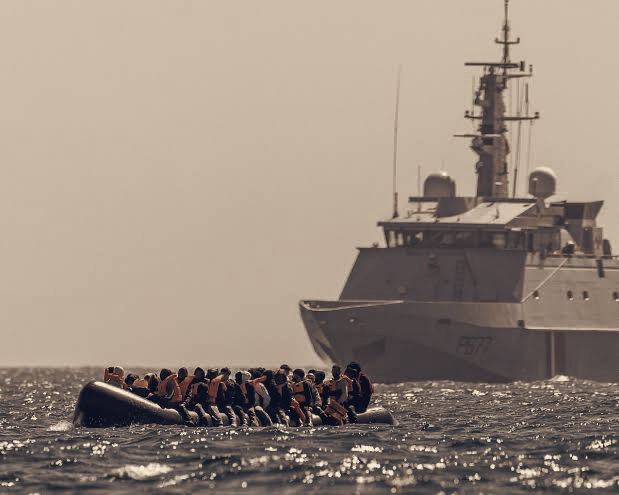
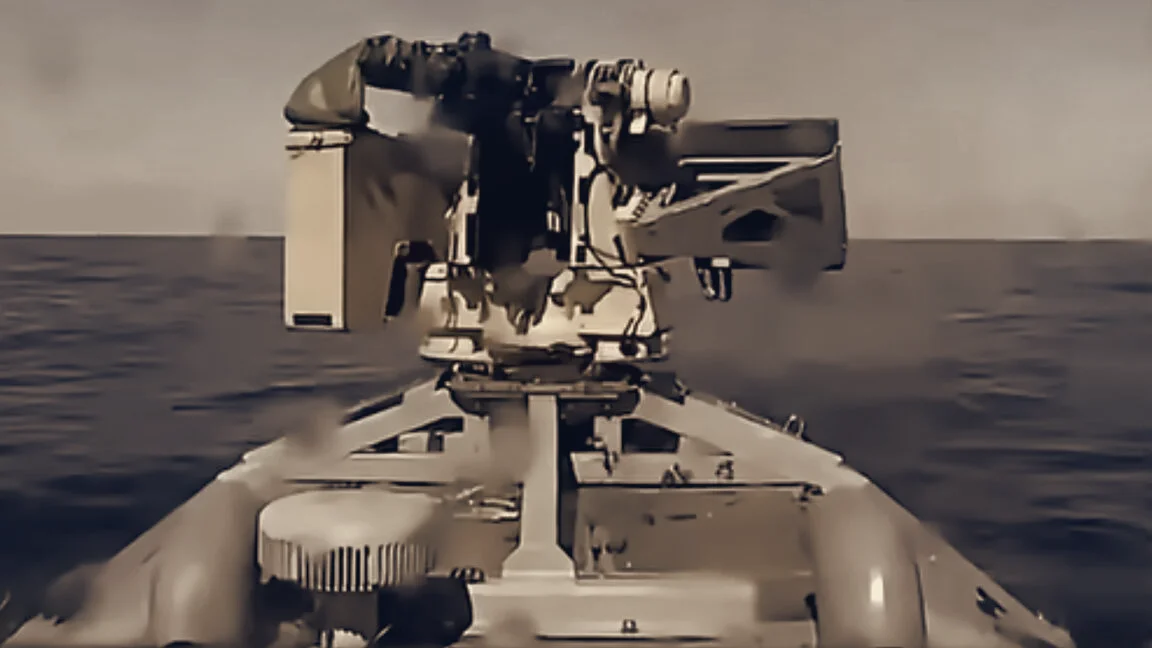
A Ukrainian naval drone sank a Russian kamikaze drone boat, removing an unmanned attack platform from the maritime battlefield. That loss is tangible: Moscow no longer has that specific weapon to deploy against targets in and around the Black Sea.
The engagement unfolded amid a campaign in which both Ukraine and Russia have been striking Black Sea ports and ships. In that contested maritime space, unmanned surface vessels are now part of both offence and defence, adding a new, remote layer to strikes that previously relied on aircraft, missiles and ships.
The sinking illustrates two clear points. First, naval drones can be used to counter similar surface threats, meaning unmanned attack craft are not immune once detected and engaged at sea. Second, the presence of kamikaze boats as a tactical option confirms that both sides are experimenting with lower-cost, expendable weapons to press attacks on coastal infrastructure and shipping.
For commercial traffic and port operators, the episode reinforces an uncomfortable reality: Black Sea security is not limited to large warships and missiles, it now includes small, hard-to-track unmanned craft that can be launched with little warning. For militaries, the clash highlights the need to integrate sensors, rules of engagement and counter-drone tactics into maritime defence plans.
What happens next is likely to be incremental rather than decisive. More encounters between unmanned surface systems can be expected as both sides test the reach and limits of these tools. Defending ports, escorting vulnerable vessels and fielding countermeasures for small unmanned boats will move higher on operational lists for forces operating in the Black Sea.