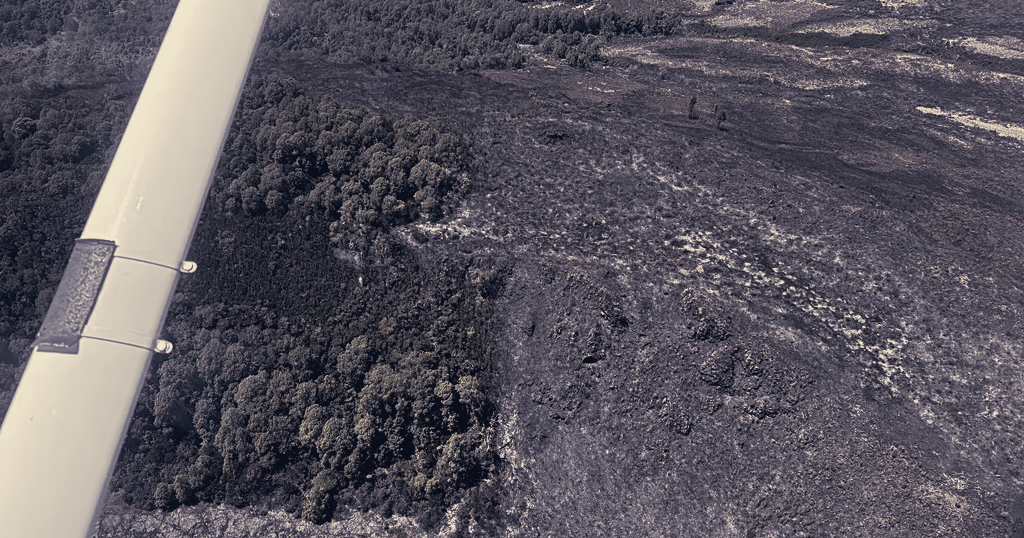

Communities, farms and wildlife that depend on Mount Kenya face immediate risk to water supplies after a wildfire consumed about 8,700 hectares of vegetation since the blaze was first reported on Sept 1, Mount Kenya Trust said.
Teams from the Mount Kenya Trust joined Kenya Forest Service, Kenya Wildlife Service, Kenya Defence Forces, Lewa Wildlife Conservancy and Rhino Ark, supported by local community members and aerial assistance from Tropic Air, in continued efforts on Tuesday to contain the remaining flames. Authorities have not yet announced a cause.
Conservationists warn the fire endangers the mountain’s high‑altitude habitats and could damage sites that support rare species. The wider Mount Kenya ecosystem is home to threatened animals, including the critically endangered mountain bongo, and the loss of vegetation reduces shelter and food sources for wildlife.
Mount Kenya National Park and the surrounding natural forest lie within a UNESCO World Heritage site that includes forests, wetlands and alpine zones. Rivers that begin on the mountain supply water to communities, farms and wildlife across parts of central and eastern Kenya, meaning impacts on headwaters could ripple through the region’s water system.
Mount Kenya reaches 5,199 metres, making it Kenya’s highest peak and Africa’s second‑highest after Mount Kilimanjaro in neighbouring Tanzania, which stands at 5,895 metres. The mountain’s equatorial alpine ecosystem, glaciers and biodiversity underpin its global environmental importance, and experts say fires at high elevation can harm long‑term ecological resilience.
For now, containment remains the immediate priority. Teams on the ground and in the air worked to limit the blaze on Tuesday, while agencies investigate the fire’s origins and assess damage to habitats and water sources. The next steps will centre on bringing the fire fully under control and evaluating the scale of ecological and hydrological impacts.