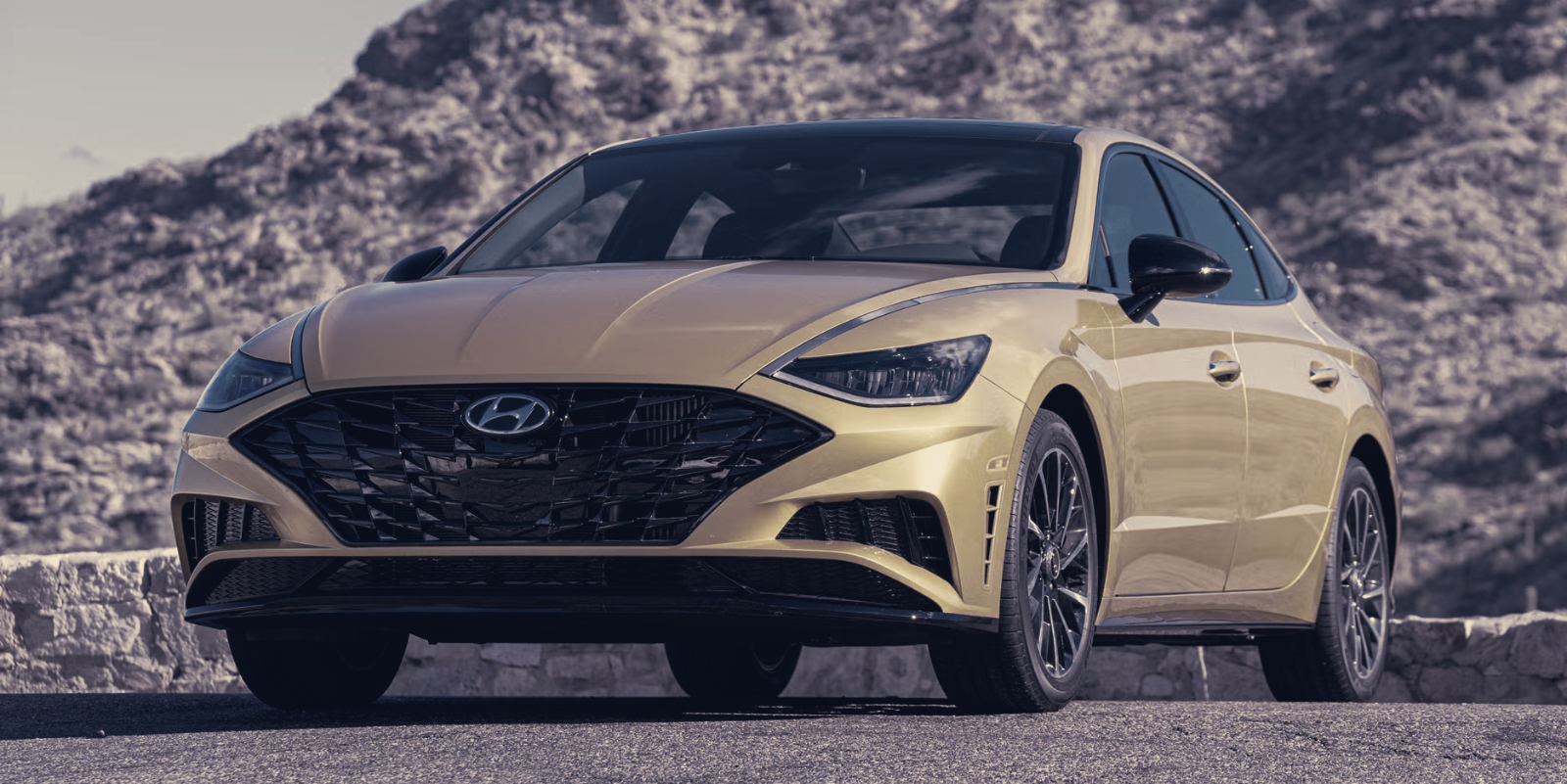
A federal appeals court has given roughly 200 insurers a renewed procedural opening to pursue more than $1 billion in claims against Hyundai and Kia linked to vehicles that were alleged to be easy to steal. The immediate consequence is practical: insurers can press claims they had sought to dismiss or that lower courts had curtailed, rather than being shut out by a previous ruling.
The Story in Pictures
The scale of the exposure is notable. More than $1 billion in asserted losses would represent a direct financial risk to the automakers if the insurers prevail, and it would increase scrutiny of how vehicle design and marketing practices interact with theft risk. For insurers, the decision restores a pathway to recoup payouts they made after policyholders lost vehicles or suffered theft-related damage.
Legally, the appeals court move is a procedural victory for the plaintiffs; it does not decide liability on the merits. It means the litigation will continue through the judicial system, with additional briefing, fact development and possible hearings to determine whether the insurers’ claims can survive further challenges. The ruling therefore extends the timeline of uncertainty for both sides.
Beyond the immediate parties, the outcome could influence how courts treat similar claims that link product features to criminal misuse. If insurers secure recoveries, automakers may face pressure to change design standards, offer different consumer disclosures, or alter warranty and post-sale support. Conversely, if the claims fail later, automakers would avoid significant payouts but the litigation itself will have consumed legal resources and attention.
For now, the clear next step is continued litigation. The decision hands insurers another opportunity to pursue their asserted losses, while leaving the core factual and legal questions to be resolved in subsequent court proceedings.