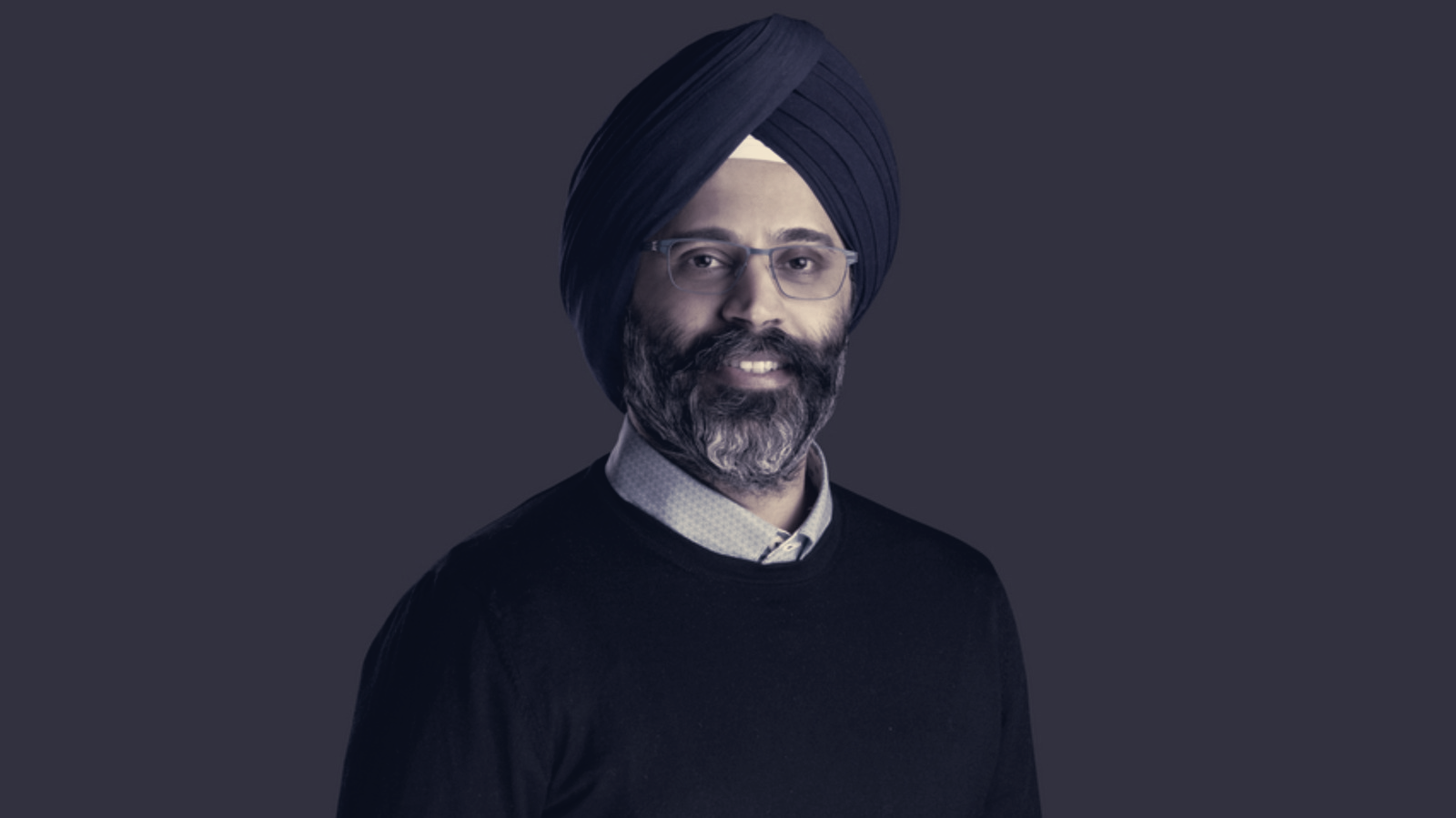
Disney has brought on the former chief executive of an artificial-intelligence company it previously accused of infringing copyrights. That single personnel move changes who sits inside Disney’s decision-making circle and introduces a direct tension between the company’s past legal posture and its current hiring choice.
The hire places a spotlight on how large content owners reconcile enforcement with engagement. Companies that once pursued alleged infringement can face difficult optics when they subsequently employ leaders from the firms they challenged. For stakeholders who saw the earlier accusations as a defence of creators’ rights, the new appointment could look like a softening of that position, or at minimum a recalibration of strategy.
Internally, the appointment could complicate policy setting. Teams responsible for licensing, content protection and product development may now have to navigate potential conflicts between protecting intellectual property and advancing partnerships or technology projects. That dynamic could force Disney to clarify reporting lines and conflict-of-interest rules, or to articulate how past disputes were resolved before the hire.
The move also has external implications. Creators, rights holders and commercial partners may seek reassurance about how Disney intends to enforce its copyrights going forward. Industry observers and regulators who monitor interactions between major rights owners and AI developers may interpret the appointment as significant when assessing market behaviour and competitive practices.
What happens next will depend on disclosures and follow-up from Disney. The company could publish details on the new executive’s role and any steps taken to avoid conflicts, or it could leave stakeholders to read the hire as a signal of a broader strategic pivot. Either way, the decision tightens attention on how entertainment giants balance legal protection of content with engagement in a rapidly changing AI landscape.