
Higher costs for petrol, diesel and summer flights lifted UK annual inflation to 3.1% in the year to August, moving the rate further from the Bank of England’s 2% target and increasing scrutiny ahead of the central bank’s meeting on Thursday.
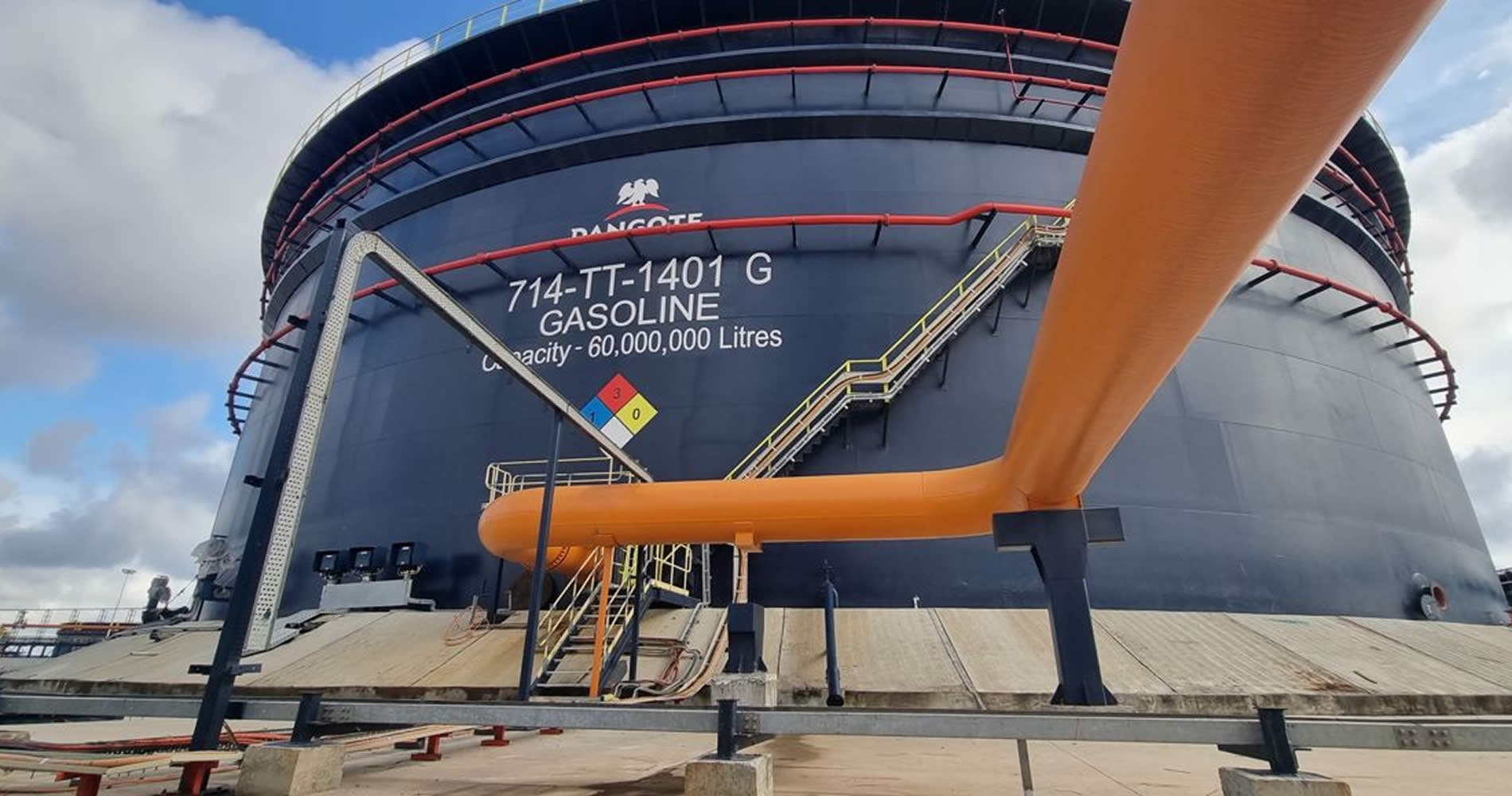
The Office for National Statistics recorded the rise from 2.9% in July, flagging large increases in motoring fuel and airfare prices as the main drivers of the uptick. Motor fuel costs were 23% higher than a year earlier. Average petrol was 161.3p per litre in August, up 9.1p from July, and the ONS noted, "This is the highest price recorded since November 2022." Diesel also recorded a sharp rise over the month.
Global crude has climbed as conflict in the Middle East pushed oil above $91 a barrel, compared with roughly $73 a barrel before the hostilities earlier this year. That jump in energy costs is the channel most immediately lifting headline inflation, while core categories are showing mixed signals: food and drink inflation remained subdued at 1.3% in the year to August.
Private forecasters warned the recent energy moves could drive inflation higher. Paul Dales, chief UK economist at Capital Economics, said, "Everyone knows that bigger rises in inflation are on their way." He expects higher oil and gas prices, together with some firms passing energy costs on, to push inflation toward a peak of 4.2% in January.
The policy implications are clear. Bank rate already stands at 3.75%, and officials must decide whether the energy-driven rise is temporary or warrants tighter measures. Chancellor John Healey, preparing his first Budget next month, said, "The war in the Middle East is impacting on inflation worldwide, not just here at home. In our bills, our weekly shop and at the petrol pumps." He added, "Despite this serious global uncertainty, our UK economy is proving resilient."
Recent data showed the economy expanded by 0.4% in July, supported in part by investment in artificial intelligence, though quarterly growth slowed to 0.4% in April to June from 0.6% in January to March. For markets and policymakers the immediate questions are whether the spike in energy costs proves fleeting, and if not, how far the Bank will move on rates as it balances global supply shocks against only modest domestic growth.