
Liberal politics in Europe face a widening squeeze after the Alternative für Deutschland’s victory in Saxony-Anhalt, a result that hands momentum to nationalist forces and tests institutions built to prevent a return to extremism.
The win is especially jarring because Germany long presented itself as a country that had done the hard work of coming to terms with its past, a process captured by the German word Vergangenheitsbewältigung. That deliberate reckoning is now confronting a party whose rhetoric and tactics court racist definitions of nationhood, flirt with Nazi imagery and propose deportations of people the AfD deems insufficiently German.
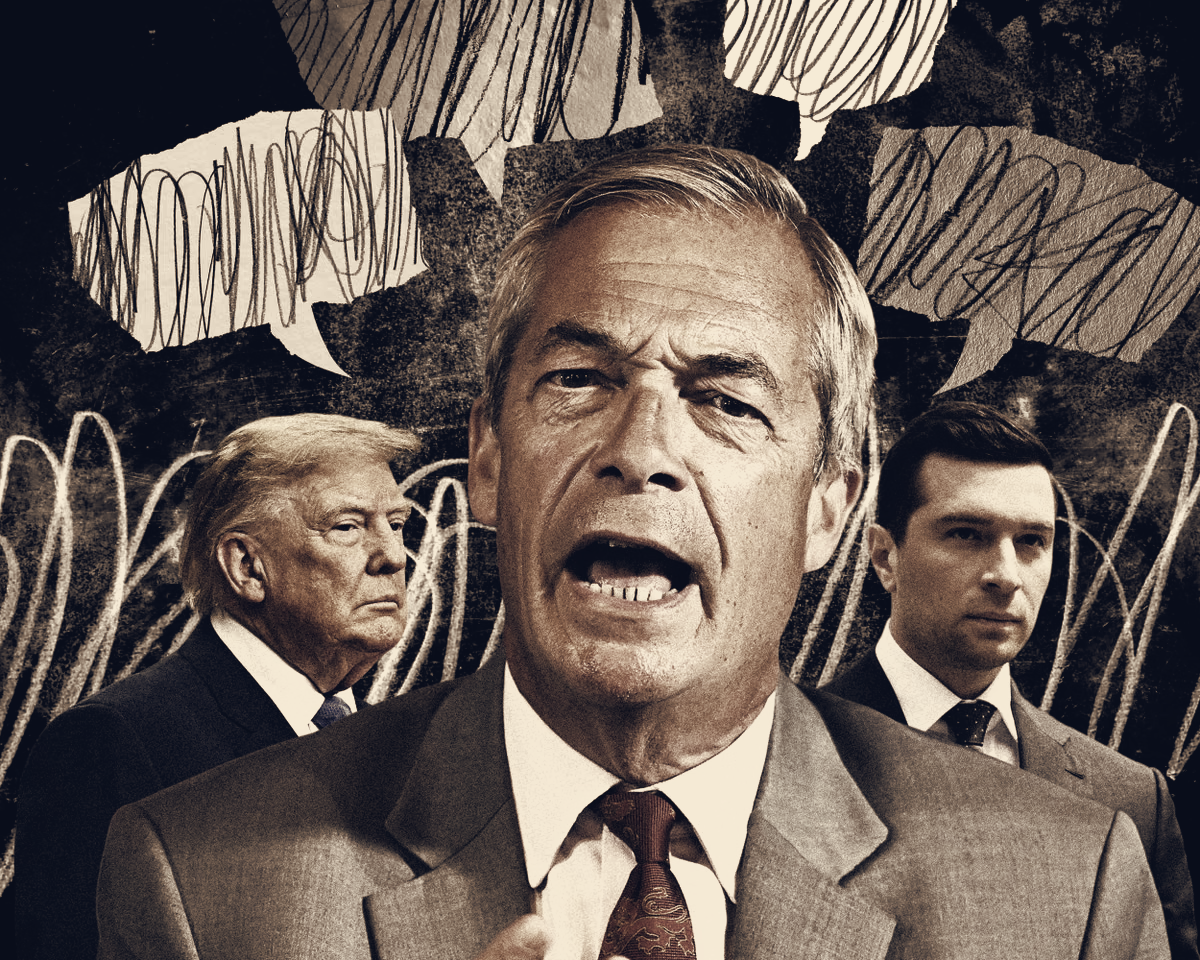
The shift is not confined to one country. The piece points to a transatlantic ecosystem that amplifies hard-right politics, from MAGA sympathisers and digital platforms to direct contacts between US and European conservatives. Elon Musk is described as using his control of X to boost AfD campaign messages. Last year, the US vice-president JD Vance met AfD co-leader Alice Weidel, a meeting that took place while there was no space in his diary for Olaf Scholz, then the German chancellor. The column links this pattern to language in the US national security strategy that pledges support for “patriotic resistance” movements committed to halting the “civilisational erasure” of Europe by immigration.
Mainstream contenders are reacting unevenly. Marine Le Pen is portrayed as careful to preserve a respectable image as she leads polls ahead of next year’s presidential election, while other British and European figures have moved further right. In Britain, Reform UK is losing ground to harder-line groups and personalities, including Restore Britain and Tommy Robinson. That fragmentation complicates any attempt by established right-wing figures to present themselves as moderate.
The influence of Russia looms over parts of the spectrum. Proximity to the Moscow line is presented as an indicator of both fanaticism and venality, with the column noting the case of Nathan Gill, a former Brexit party MEP now serving a prison sentence for accepting bribes to make pro-Russian speeches in the European Parliament. The argument extends to the left as well, where a residual appetite for Russian narratives persists decades after Soviet collapse.
What happens next is a contest over institutions and narratives. The electoral success of parties like the AfD, their international boosters, and the digital amplification they receive mean Europe’s liberal consensus cannot assume it will endure. That leaves pro-democracy actors with a shrinking window to respond before nationalist forces become further entrenched.