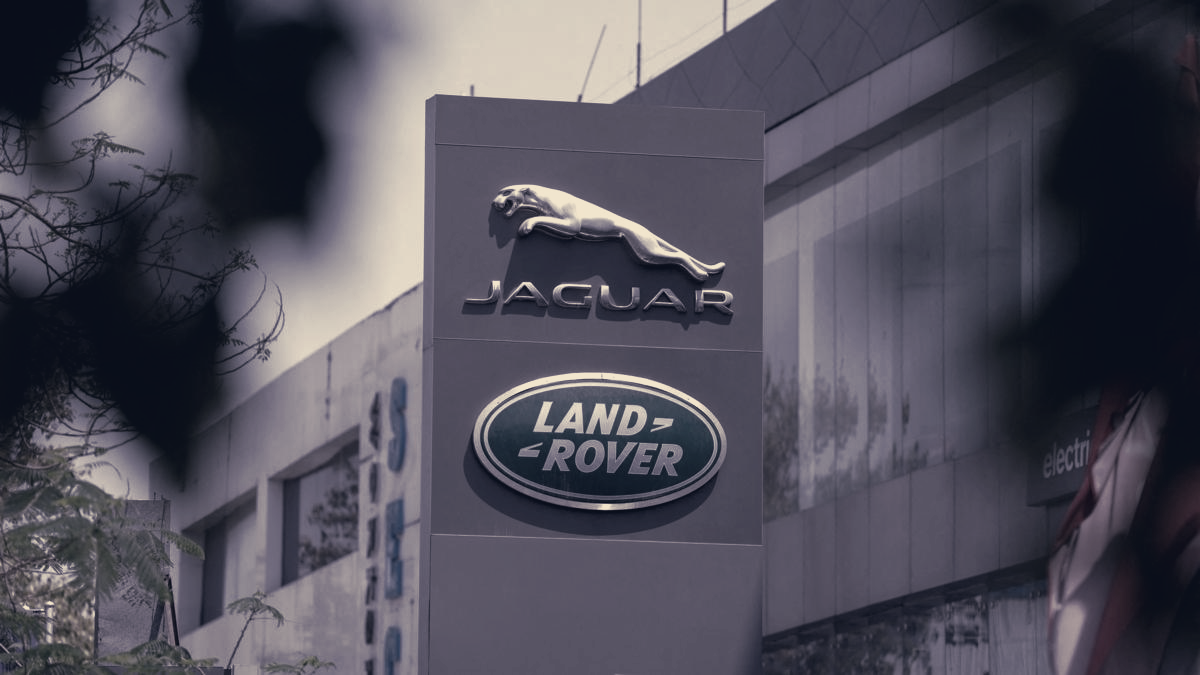

Jaguar Land Rover has opened a voluntary redundancy programme as it seeks to secure about £1.7bn in savings over the next two years. The company framed the move as part of adapting to evolving global market conditions and to simplify the organisation while improving efficiency and resilience.
JLR said it had informed colleagues and trade union partners that salaried and management team members would be offered the chance to leave under the scheme, and that it would share further information with staff first. The company has not confirmed figures reported elsewhere that as many as 4,000 jobs could be affected.
Unite general secretary Sharon Graham said the union had warned of a "perfect storm" for the automotive sector and warned that "Death by a thousand cuts has been going on under the nose of successive governments." She said there had been "intensive" discussions over the weekend about mitigating job losses and that she and Business Secretary Jonathan Reynolds would meet JLR chief executive PB Balaji next week. Unite national officer Des Quinn added, "This is an incredibly worrying and stressful time for JLR workers," and "Unite is working round the clock to deliver the best possible outcome."
A government spokesperson pointed to action taken to support the UK car industry, including lower electricity bills for manufacturers and financial support for the manufacture and sale of zero emission vehicles. Mr Reynolds was understood to have spoken with West Midlands mayor Richard Parker about supporting the company and its staff.
The announcement follows earlier cost-saving plans. In June JLR said it planned to cut about £1.7bn in costs over coming years, targeting areas such as materials, warranty and fixed costs. In July the company had expected fewer than 300 people to leave under the cost savings it announced at that time.
JLR employs about 30,000 people in the UK with sites at Whitley in Coventry, and manufacturing plants in Solihull, Wolverhampton and Halewood on Merseyside. The company estimates the cyber-attack in September 2025, which halted production for several weeks so no vehicles rolled off its lines, cost about £1.9bn and caused a 27% drop in overall production. The new redundancy programme is the latest step as the company works to restore resilience and return to planned production and product roll-outs.