
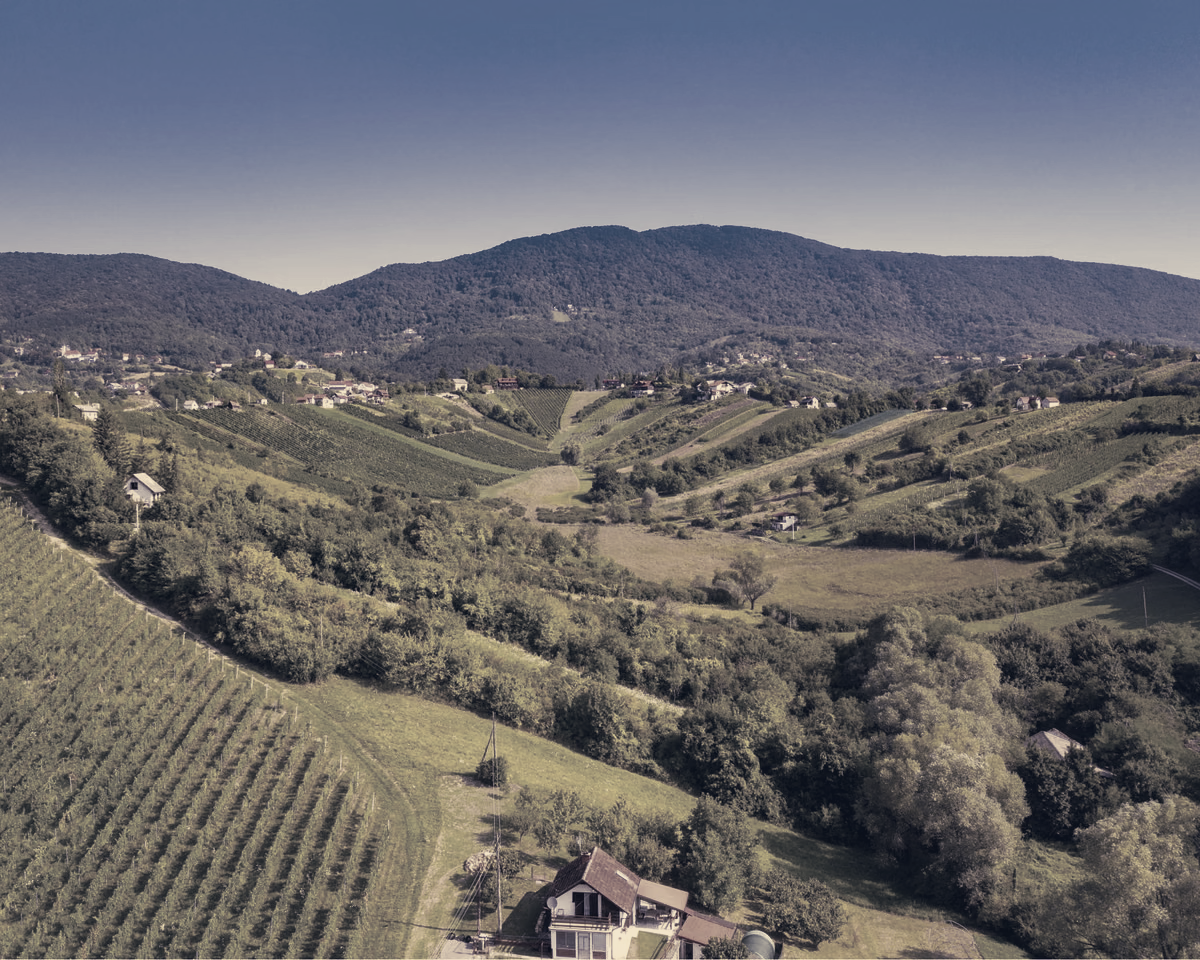
Zagreb residents are gaining an easy Habsburg-era escape in the Samobor Hills, a half-hour drive west where vineyards, woodlands and a distinctive food culture have become the draw for short breaks. The town of Samobor serves as a compact centre of that attraction, its King Tomislav Square ringed with pastel baroque houses and cafe terraces where locals gather for coffee and kremšnita, the custard-slab pastry many visitors single out for praise.
Historic and cultural touches sit cheek by jowl with outdoor recreation. The Gradna stream threads the medieval town under flower-decked wooden bridges, leading past Saint Anastasia’s onion-domed church and the former home of composer Ferdo Livadić, now a museum. The Žumberak nature park, about 16 miles west of Samobor, gives hikers and cyclists hornbeam, oak and beech woods and a sequence of waterfalls, and short drives reveal cascades such as those at Potočna dolina Slapnica and Vranjak.
Perched ruins, including Okić castle near 500 metres above sea level, add a medieval counterpoint to the pastoral scenery. The castle is one of the country's better-preserved romanesque fortifications, historically resisting Mongol and Ottoman attacks, and remains a marked feature on local walking routes despite some steep approaches.
Wine tourism is concentrated along the Plešivica wine road, a heart-shaped circuit of more than three dozen wineries between the village of Plešivica and Jastrebarsko. Vineyards cling to steep slopes and many producers specialise in sparkling wine. Winegrowers such as Martina and Krešimir Ivančić connect the present to a long family history, including an 18th-century noble title and a winery name inspired by a griffin on their coat of arms. Tastings ranged from an elegant sparkling rosé made from red portugieser grapes to full-bodied chardonnay paired with regional cured meats and cheeses.
Culinary traditions anchor the region’s identity as firmly as its vineyards. Rudarska greblica, a salty pastry filled with cheese and walnuts, carrots or greens, originated with miners’ wives and now has EU protected status and its own festival every July. At Pekarnica Nikl in Rude, Jelena and Andrejas Nikl are the authorised bakers charged with preserving that speciality, a responsibility Jelena said involves paperwork but is worthwhile. At the top end of the market, the Korak winery and restaurant in Plešivica has won Michelin recognition, showing how family producers and fine dining coexist here.
The Samobor Hills therefore offer a compact package for weekend visitors: accessible architecture and museums, forested trails and waterfalls, a concentrated wine road and a living culinary tradition that is both protected and promoted. For anyone short on time in Croatia, the area presents a green alternative to the Adriatic and a strong case for repeating visits that combine nature, history and regional food and wine.