New York Fashion Week lost its ordinary rhythm on September 11, 2001, when the industry’s calendar and many reporters’ routines were abruptly interrupted, shows were canceled, and designers and publications scrambled to reconfigure the season.
The Story in Pictures
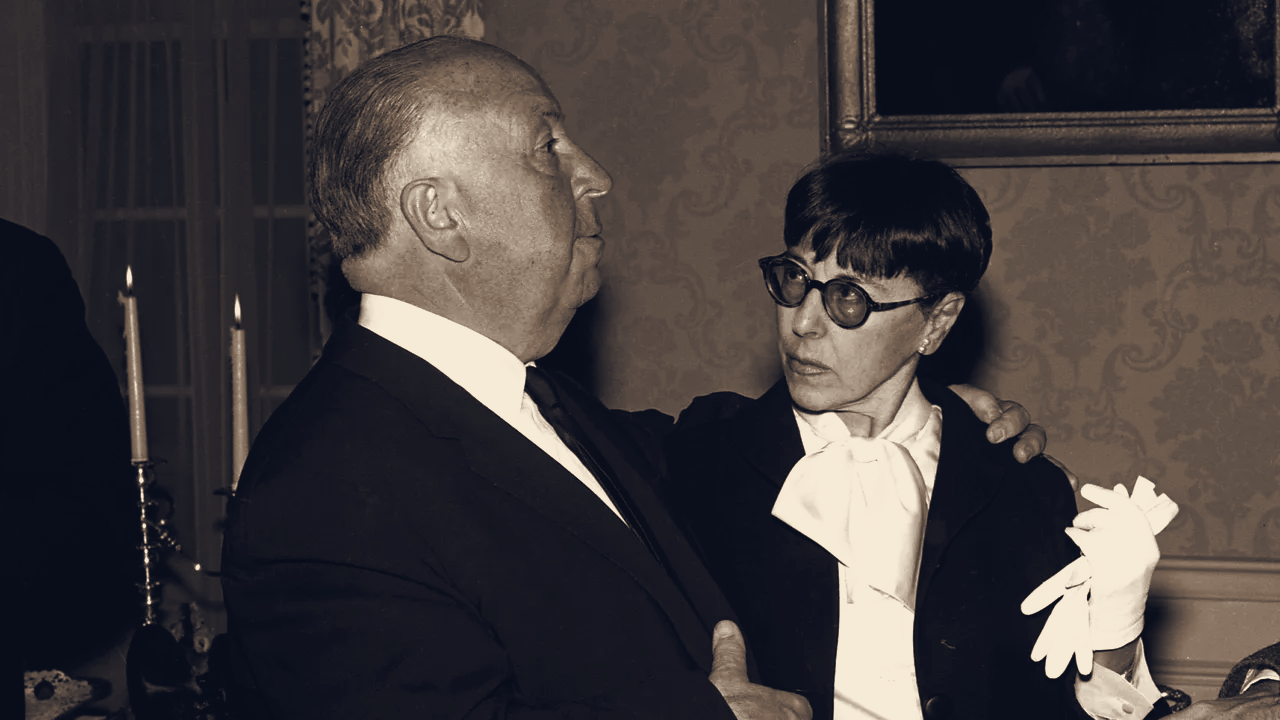
Lynn Yaeger, then covering the collections for the Village Voice, remembers a morning that began with a phone call from colleague Mickey Boardman and the lingering image of one Tower with a wide burning wound. The previous night’s Marc Jacobs show, staged on a West Side pier and delayed for hours in hot weather, became immediately irrelevant. Yaeger dressed as she always did, she later identified a Club Monaco skirt and a saggy gray sweater layered over a lace camisole, then walked to the Voice office near Cooper Union, carrying a transistor radio because she did not yet own a cellphone.
On the street, the city’s shock was visible and intimate. She woke Michael Musto and told him, "Something terrible happened." At the Manatus Diner on Bleecker Street, the bustle of reporting mixed with private alarms as people sought news of missing loved ones. The shows scheduled after Marc Jacobs were canceled on the spot, and the streets soon filled with posters and paper left behind by offices that no longer existed. A persistent, unpleasant smell lingered for months.
The fashion calendar adjusted unevenly. Some major houses, including Donna Karan and Ralph Lauren, eventually presented collections in scaled-down formats. Vogue and Style.com organized a grouped presentation, named "An American View," to help younger designers whose careers suddenly felt precarious. For Yaeger and others, the episode exposed how quickly career anxieties and industry seriousness could seem trivial in the face of large-scale loss, even as fashion also offered small comforts.
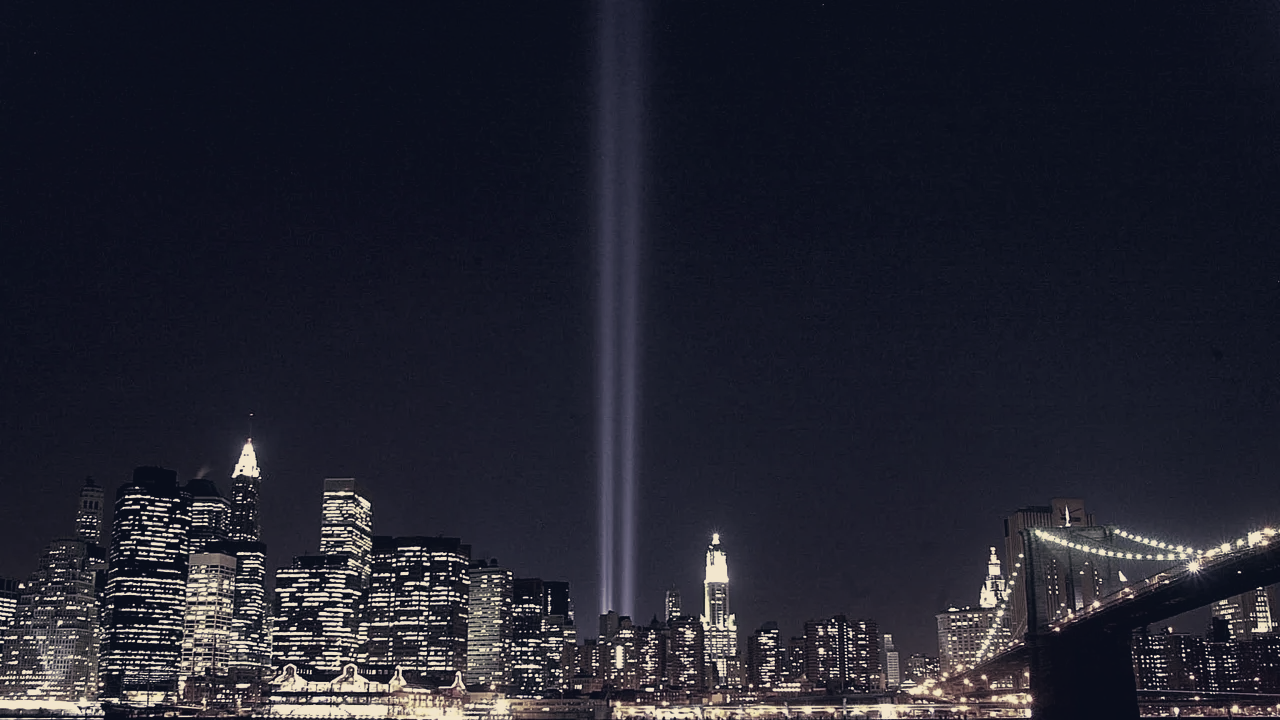
Yaeger describes coping in a private, everyday way: she bought a velvet Fendi bag she had been coveting at the Fifth Avenue store, noting both the staff’s visible grief and the human need for a fragment of normalcy. Over time, the frantic pace of shows returned and seasons resumed, with events once again taking place on September 11 in later years. Yet the memory persists: during recent fashion weeks, when the city is lit by evening beams where the Towers once stood, the industry’s reunion with its routines carries that altered context.