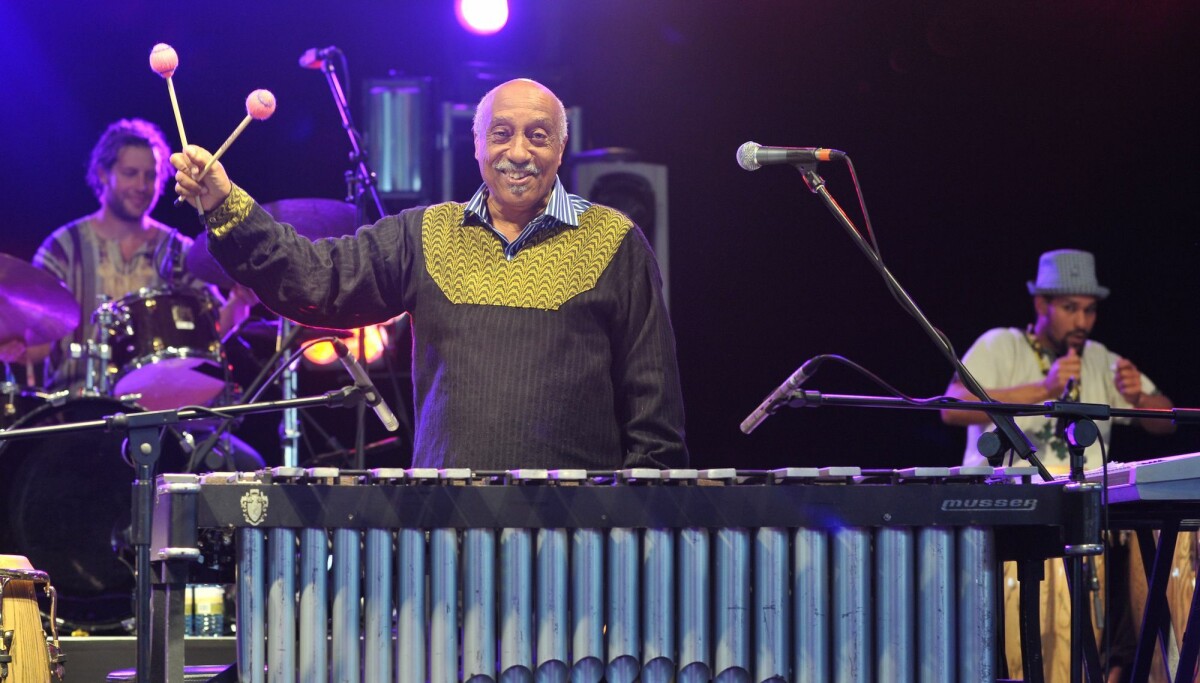
Ethiopia’s musical heritage gains overdue recognition as Mulatu Astatke presses for credit for the continent’s indigenous players. Now 82, the musician who introduced Ethio-jazz says audiences eventually embraced the hybrid sound that first met resistance in his homeland.
Astatke built the genre by combining traditional Ethiopian pentatonic modes with jazz phrasing, funk touches and Afro-Latin rhythms, and by bringing instruments such as the krar, masenqo and keb ero into modern arrangements. He calls the result “Ethio-jazz is a beautiful science.” His records and live work have woven ancient religious chants and continental forms into a style listeners around the world now recognise.
The route to that acceptance was not smooth. After time in London’s 1960s jazz scene, where he met Ronnie Scott and Joe Harriott, and studies that took him from a boarding school in Wrexham to Trinity College of Music and then to Berklee College of Music as its first African student, Astatke returned to Addis Ababa with a vibraphone and electric keyboards and a new sound. Early performances in Ethiopia provoked hostility. He recounted a set where the crowd cried “Stop” and “No more!” He bowed, thanked them and left the stage, and later told the audience, “I said: ‘I’ll show you,’” and “‘One day, I’ll come back and show you.’”
He did return and his records with the Ethiopian Quintet, including the Afro-Latin Soul albums, plus singles for Amha Records in 1969, helped spread his fusion. In 1973 Duke Ellington played alongside Ethio-jazz in Addis, and Astatke recalls Ellington telling him he “loved it,” a memory he calls wistful.
The golden nightlife that nourished experimentation under Emperor Haile Selassie gave way after the 1974 overthrow, and the country entered a long, repressive period. Astatke declines to be drawn into politics. “I have no involvement with the military, I have no involvement with politics, I have no involvement with nobody. I live peacefully. That’s how I survive,” he said. “I don’t love it. You don’t respect politicians. I love my country, I love my culture, I love the people. That’s all. Nothing else.”
Beyond his own career, Astatke has made public appeals for recognition of what he calls Ethiopia’s “bush people,” the rural musicians whose scales and techniques, he argues, preceded comparable sounds in Western jazz. He points to the Derashe tribe and asks, “Who is first? Is it Charlie Parker or this tribe?” and insists, “We never give respect to these people.”
Days after a packed show at London’s Royal Festival Hall in June, billed as likely his final UK appearance, Astatke remains restless creatively and focused on cultural restitution. He continues shaping Ethio-jazz and using his platform to push for acknowledgement of Ethiopia’s musical roots, a fight that has reshaped how global audiences understand the country’s contributions to modern music.