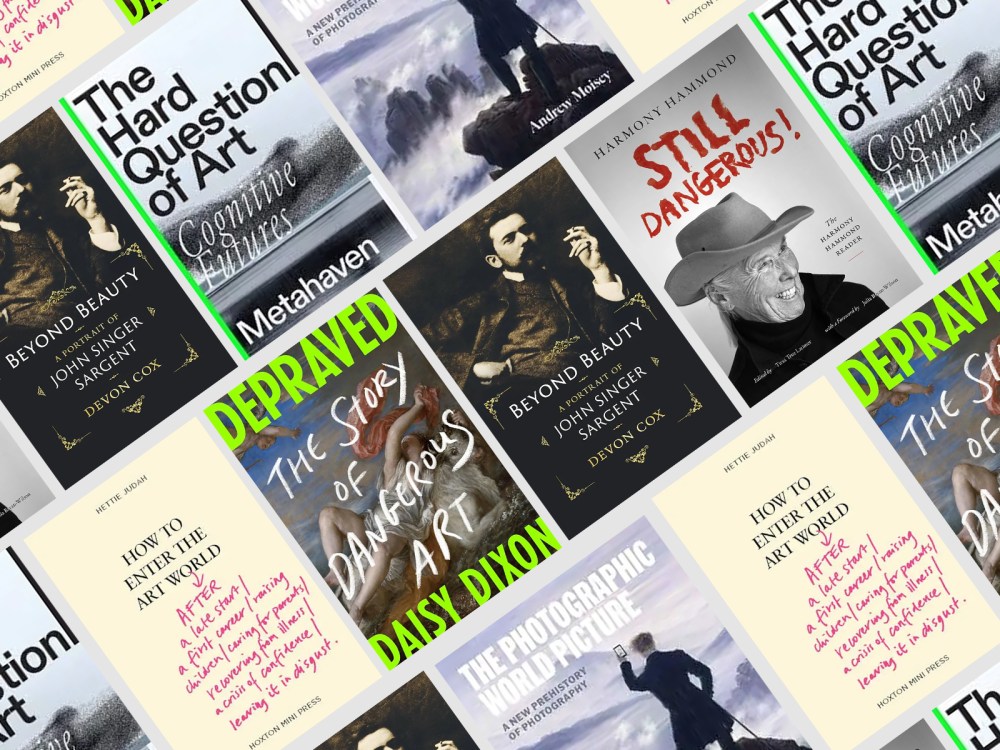
Readers gain six new art books in August that reframe debates about vision, value and the future of artistic practice. The list stretches from Renaissance theories of sight to urgent questions about morality, inequality and what art must do as technology and climate pressures reshape culture.
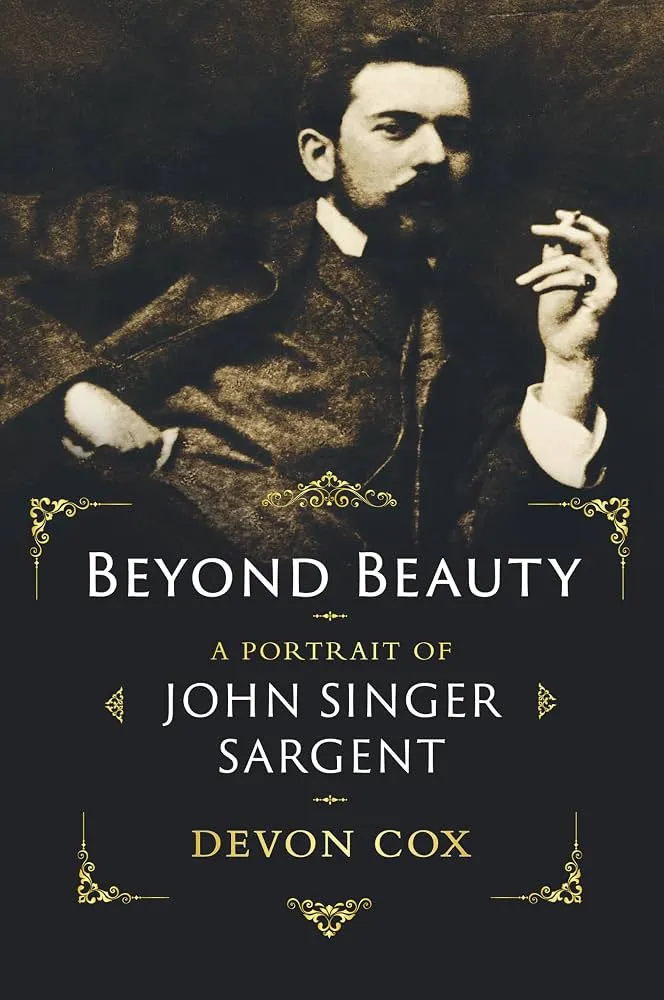
One biography revisits John Singer Sargent, the celebrated society painter of the Gilded Age, arguing that his luminous canvases hid a more guarded private life. The book treats Sargent's public persona and private comportment as inseparable, showing how portraiture both projected social standing and obscured interiority.
The artist collective Metahaven contributes a manifesto that interrogates art's changing role as artificial intelligence upends attention and climate disruption narrows the space for imagining futures. The collective frames these pressures as central to how artists and institutions must rethink practice and purpose in the coming years.
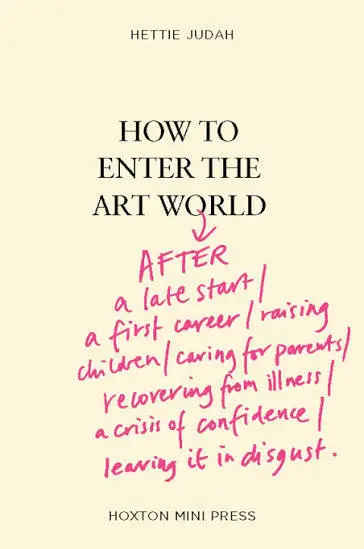
Journalist Hettie Judah offers a practical handbook to an opaque ecosystem, guiding readers through the habits, hierarchies and myths that keep the art world inscrutable. Her approach mixes actionable advice with a critical eye toward the industry's self-mythologizing, aiming to make entry and navigation clearer for practitioners and observers.
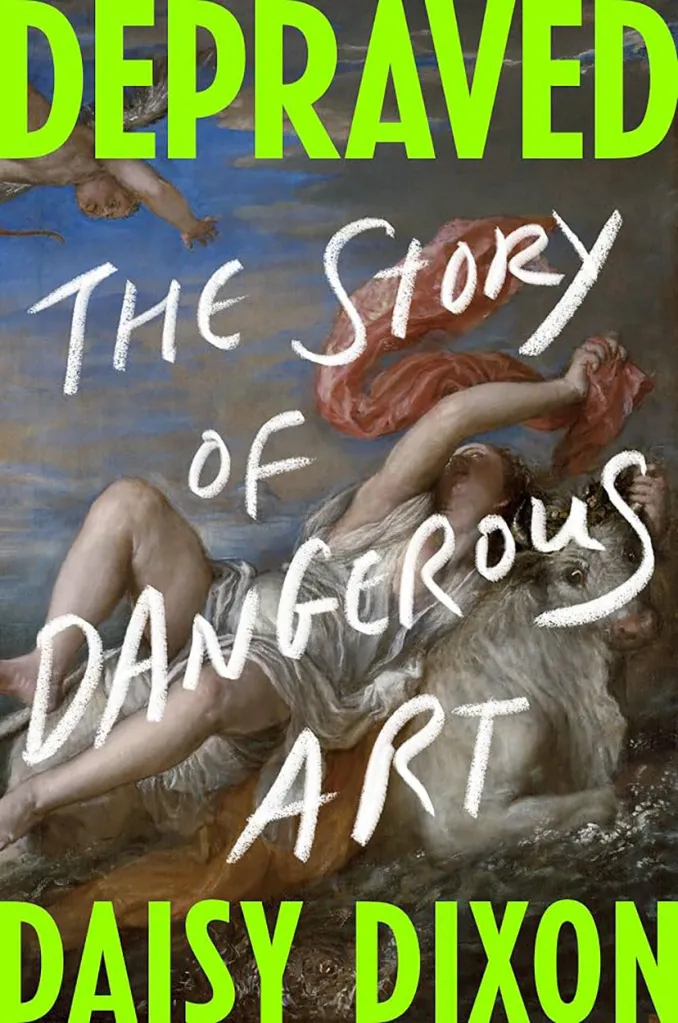
Daisy Dixon's Depraved: The Story of Dangerous Art combines historical sweep and philosophical inquiry to trace anxieties about obscenity, taste and public offence. Dixon reaches as far back as prehistoric marks to argue that debates over what counts as dangerous or indecent art are neither new nor merely contemporary moral panics.
All six titles aim to give late-summer readers a mix of rigorous history, cultural criticism and practical orientation. Whether preparing last beach reads, packing a companion for a long flight, or assembling a September syllabus, readers will find arguments here that push conversations about art into the present and future.
Depraved: The Story of Dangerous Art
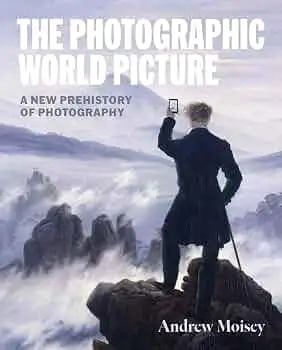
The Photographic World Picture: A New Prehistory of Photography
The Hard Question of Art: Cognitive Futures
Beyond Beauty: A Portrait of John Singer Sargent
How to Enter the Art World
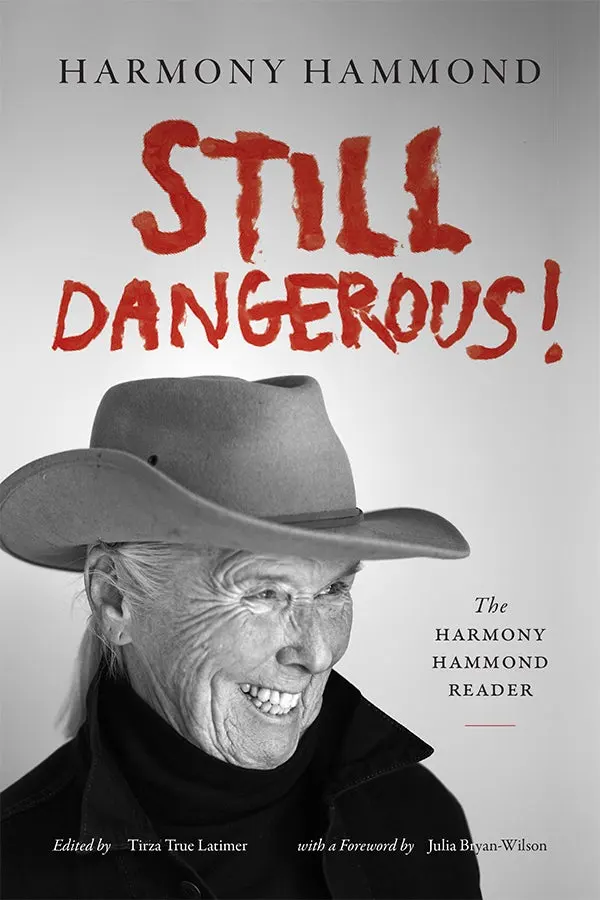
Still Dangerous!: The Harmony Hammond Reader