
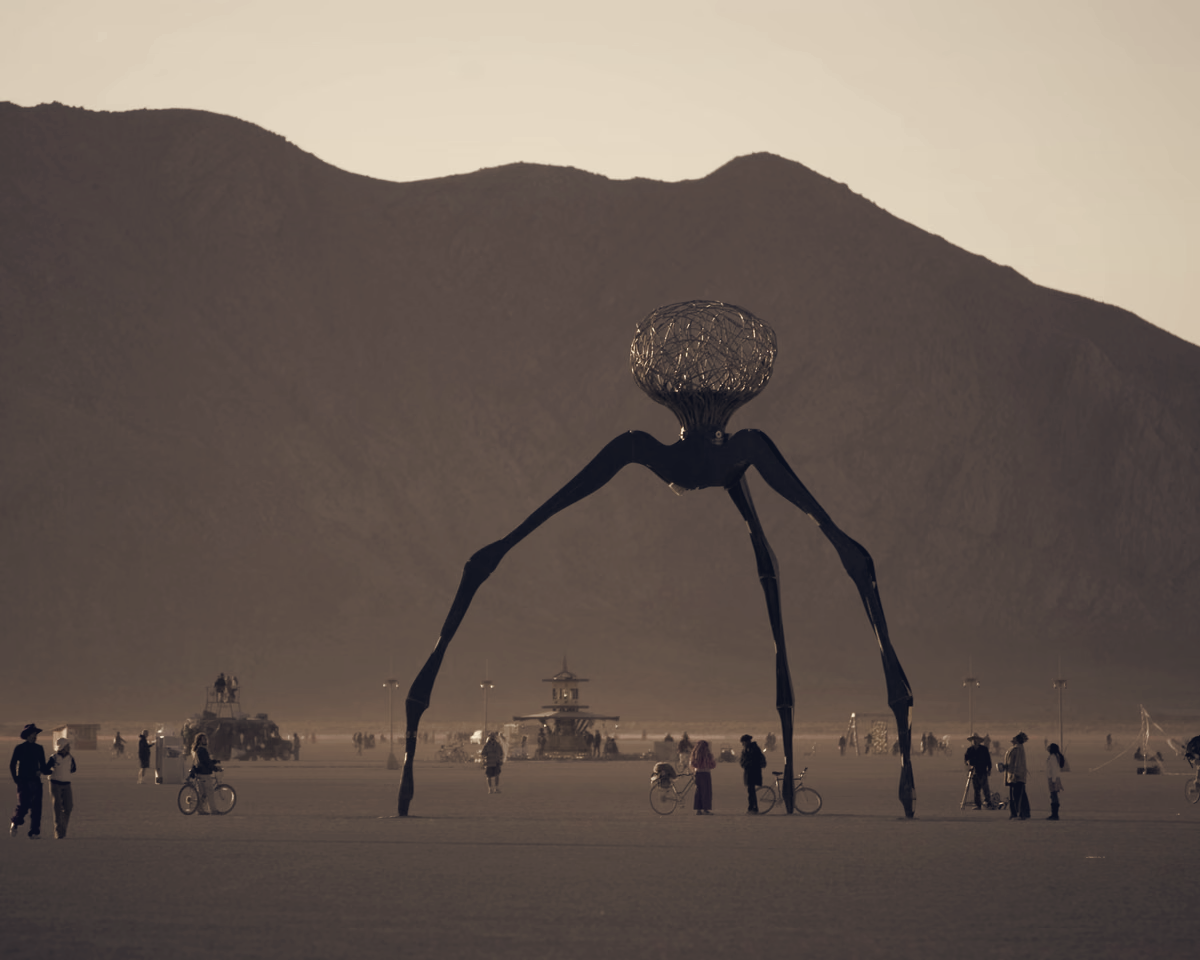
Burning Man’s attendee profile is shifting older, a change that risks diluting the festival’s countercultural character just as it marks its 40th year. Organisers and long-term participants say the mix of more affluent visitors, visible luxury logistics and an ageing cohort of regulars is altering how Black Rock City behaves and what is possible there.
The Story in Pictures
Once a hub for San Francisco’s eccentric underground, the Nevada desert event now draws chartered flights and coverage of behind‑the‑scenes power struggles on mainstream screens. The Black Rock City census, an annual participant survey, estimates that people in their 20s once comprised nearly a third of attendants but accounted for only 10% in 2025. At the same time, those in their 40s and 50s made up almost 42% that year. Organisers say preliminary census returns for 2026 show a slightly younger profile than 2025, but full data are not yet published.
The festival has also recorded three deaths this year, all men over 50. Two, described as a man in his mid‑50s and a 51‑year‑old, died after receiving medical treatment, and a 60‑year‑old was found dead in a trailer he shared with his partner. Local authorities reported no initial signs of foul play and said autopsy and toxicology results would be available in about six to eight weeks. The Burning Man Project cautioned against drawing conclusions about cause from age alone and asked that people avoid speculation while investigations proceed.
Safety and logistics remain constant challenges. Since 1990, the festival has been held on the Black Rock playa, a vast, lifeless lakebed with no running water or vegetation that can produce ferocious dust storms. Organisers advise attendees to bring protective gear for dust and to prepare for heat, sudden storms and flooding. The event’s reputation for intense partying, improvisational art cars, flame performances and other risky attractions means medical incidents are an ongoing operational concern.
The combination of demographic change, recurring safety incidents and growing visibility raises a strategic question for Burning Man’s future. Will an older, wealthier audience reshape the festival into a different kind of gathering, or will organisers and participants find ways to preserve the ritualised experiment in communal art and improvisation? Final census figures and pending autopsy reports will shape the answers in the months ahead.