
Isaac Mizrahi’s fall 1994 collection is reentering the conversation as Vogue Runway digitizes the Bryant Park show and the documentary Unzipped heads back to theaters in September 2026. The preservation recasts a moment that helped define Mizrahi’s public persona, turning an initially fraught season into a formative success story.
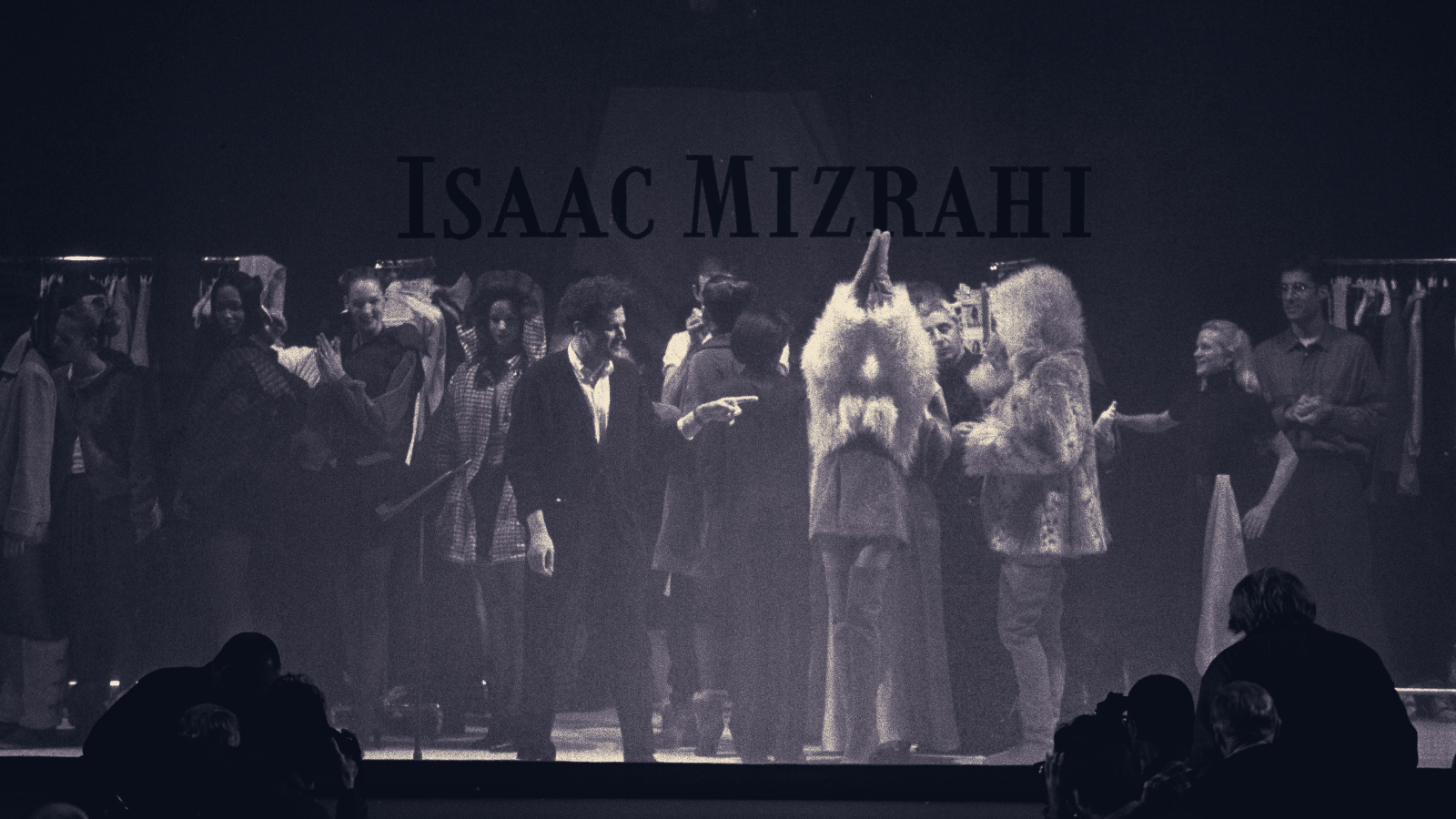
Presented in the tents at Bryant Park on April 12, 1994, the collection combined theatrical staging with an unmistakable color sensibility. Mizrahi filled the runway with crayola-colored puffers, faux furs, marled knits, pom-poms and sock-shoes, and arranged a scrim so the audience watched models dress and undress as part of their exits. Vogue called the device a "voyeuristic thrill." The visual choices and the show’s choreography reinforced Mizrahi’s reputation as an entertainer who treated fashion as performance.
The collection’s rise was not seamless. A poor review in spring 1994 left Mizrahi under pressure, and the season’s scheduling, Paris opening and New York closing, amplified the stakes. Panic followed when WWD featured a Jean Paul Gaultier look inspired by Inuit motifs on its cover, because Mizrahi had cited the 1922 film Nanook of the North as a source. In practice, the two designers pulled from the polar imagery in opposite directions: Gaultier built a snowscape, while Mizrahi leaned into theatricality and color.
Mizrahi framed the collection as a deliberate provocation. "The whole thing has to do with being slightly naughty, and that’s what these clothes are about," he said. "It used to be that wearing black was witchy and naughty, but now it’s so obvious. Now color is really the provocative thing. Yes, the tables have turned." The line consequently read as both playful and strategic, and audiences rewarded it: the collection was rapturously received and earned a permanent place in the history of 1990s runway moments.
The dual preservation, Vogue Runway’s digitization and a restored Unzipped, ensures the collection will be available for study and reassessment. For designers, scholars and the public, the return offers a chance to revisit how staging, source material and media attention shaped a pivotal New York moment in 1994.