A proposed private foundation would place Leon Black’s estimated $5 billion art collection under a single, named institutional roof in Manhattan by converting a landmark city property into a museum, a new book reports. The disclosure links a high-value real estate move to the ongoing scrutiny of one of the art world’s largest collectors.
The book’s account arrives days after Congress held the financier, a MoMA board member, in contempt during its probe into Jeffrey Epstein. Details made public do not include a timetable or the terms that would govern public access, loan policies, or the foundation’s governance structure.
The proposed structure would effectively lock the works to a private institutional vehicle, a change that raises immediate questions about donor influence and institutional accountability. Museums that accept major gifts or share governance with collectors must now confront how those relationships are governed, and how transparency is enforced when controversies follow donors into cultural spaces.
At the municipal level, officials and neighbourhood stakeholders will face decisions about zoning, public benefit, and the appropriateness of converting a prominent Manhattan address into a private foundation. The report does not say whether local approvals have been sought or how the proposed museum would interact with city planning and community review processes.
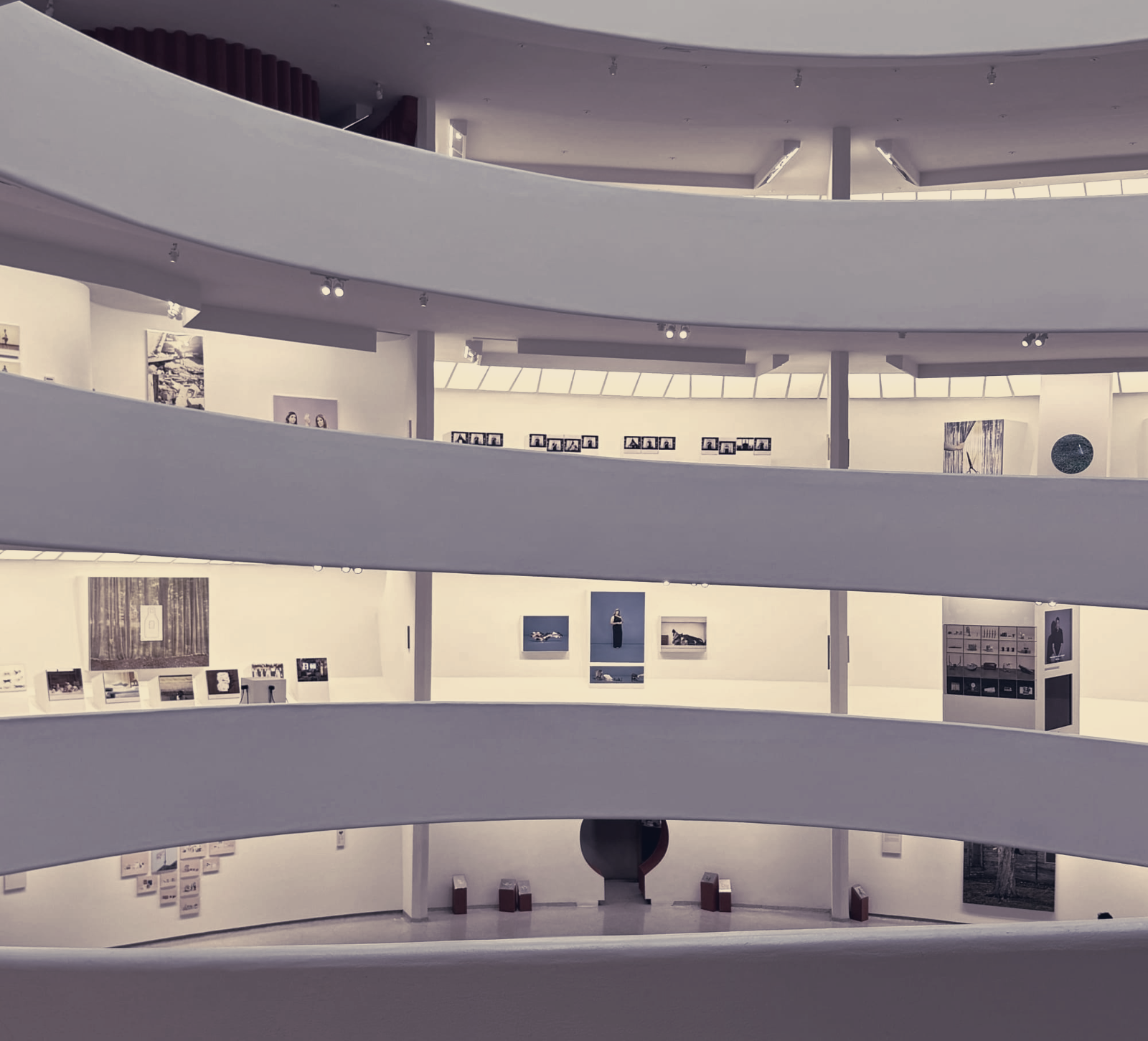
The revelation arrives amid a week of arts criticism that emphasised systemic themes rather than only individual culpability. At the Guggenheim, Aruna D’Souza wrote that Taryn Simon’s installation left viewers with "a sense of helplessness," framing wrongdoing as structural. A small play by Sleth prompted Hrag Vartanian to call it "a more shadowy version" of a familiar romance and praised its honesty, saying it remains "true to the sadness of longing for something that never quite arrives but feeds our desire at the same time." Other coverage ranged from Noah Fischer’s review of Dana Mashoian Walrath’s graphic nonfiction The Book of Genocides to reports of new large-scale public artworks and commissions arriving in New York.
The book’s disclosure will complicate conversations already underway about the balance between private collecting and public stewardship. What happens next depends on whether Black pursues formal steps to create the foundation, how institutions respond to renewed scrutiny, and how city processes treat any proposal to repurpose a major Manhattan property.