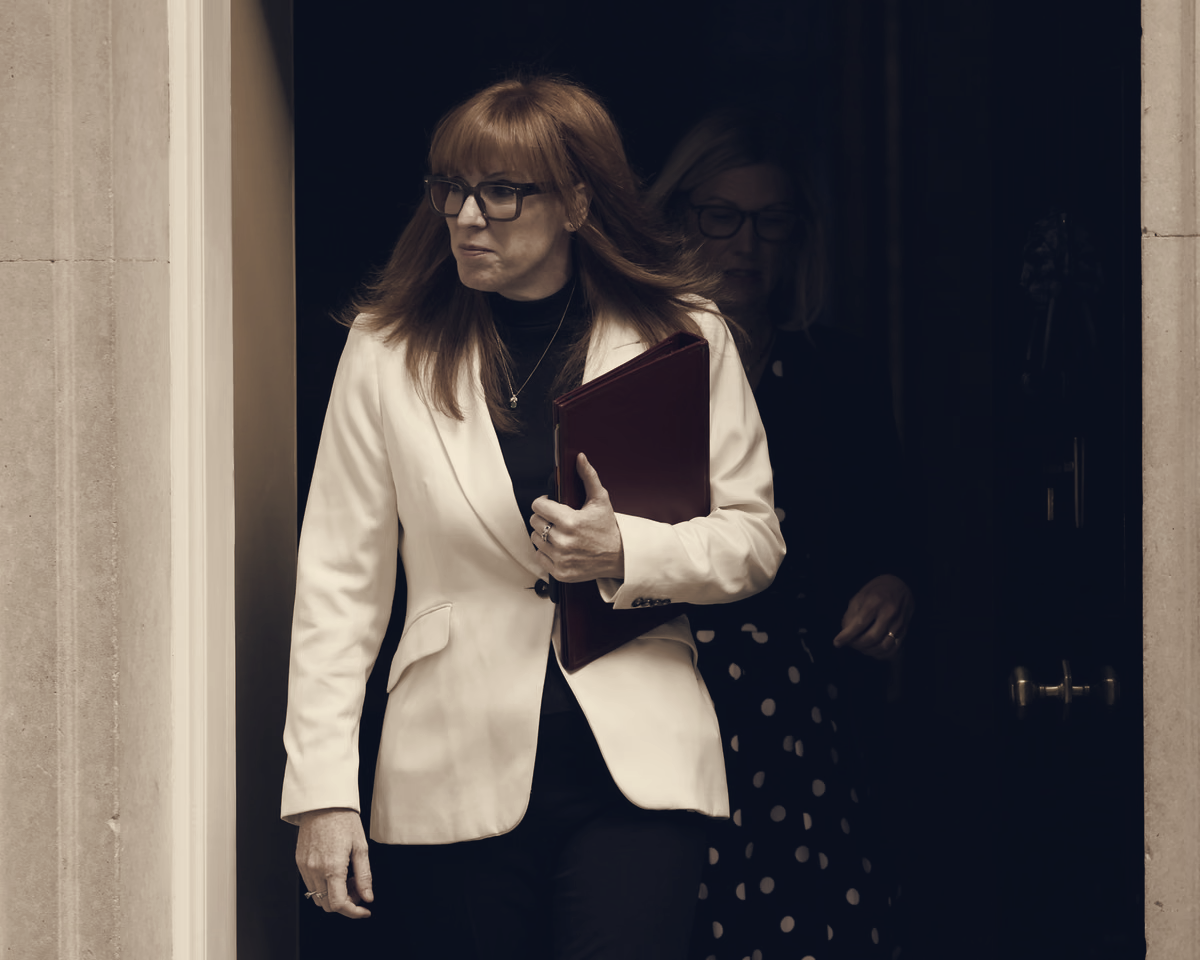

Local government reorganisation has been suspended, with four county plans withdrawn and decisions on 16 other areas put on hold while ministers review fresh legal advice. The communities secretary, Angela Rayner, will reassess the programme to make sure the process is robust and lawful before further steps are taken.
The Ministry of Housing, Communities and Local Government said the review follows "updated and privileged legal advice" and is intended to align the process with the new government's wider aim to "rewire the state". The package of changes, first announced in December 2024, proposed scrapping the two-tier district and county model and replacing it with a smaller number of large unitary authorities, sometimes described as "mega-councils".
MHCLG said plans for reorganisation in Essex, Hampshire, Norfolk and Suffolk have been withdrawn in light of the advice. A further 14 areas will have decisions reviewed and paused, alongside unresolved cases in Cambridgeshire-Peterborough and West Sussex, bringing the total number of paused areas to 16. The department confirmed local elections scheduled for May 2027 will proceed using existing council boundaries.
At least eight councils had mounted or were considering legal challenges to the proposals, citing objections to the chosen boundary arrangements. Reform UK-led Kent county council plans to debate a judicial review after it said the government did not answer a letter outlining its concerns.
The department clarified that the Surrey reorganisation is unaffected, and the two new unitary authorities for East and West Surrey remain set to begin in April 2027.
Rayner told parliament she wants to satisfy herself that the right procedures are in place, that they comply with the law, and that any proposals meet the priorities of the new administration. She said she recognised the work already done on reorganisation and expressed gratitude to those involved.
Local government representatives responded cautiously. Cllr Sean Matthews, chair-elect of the County Councils Network, said many members will be relieved decisions seen as damaging or financially unsustainable have been withdrawn or paused, and he called for clarity on realistic implementation timetables. Jonathan Carr-West, chief executive of the Local Government Information Unit, warned the scale of the programme risked becoming a "colossal white elephant", and said leaders and staff had already strained to meet MHCLG deadlines.
The immediate next steps are a formal review by Rayner’s team and further detail from government on timelines and legal compliance. Councils that pressed ahead with planning will now seek clarification on how their work will be treated and whether any proposals can proceed under revised processes.