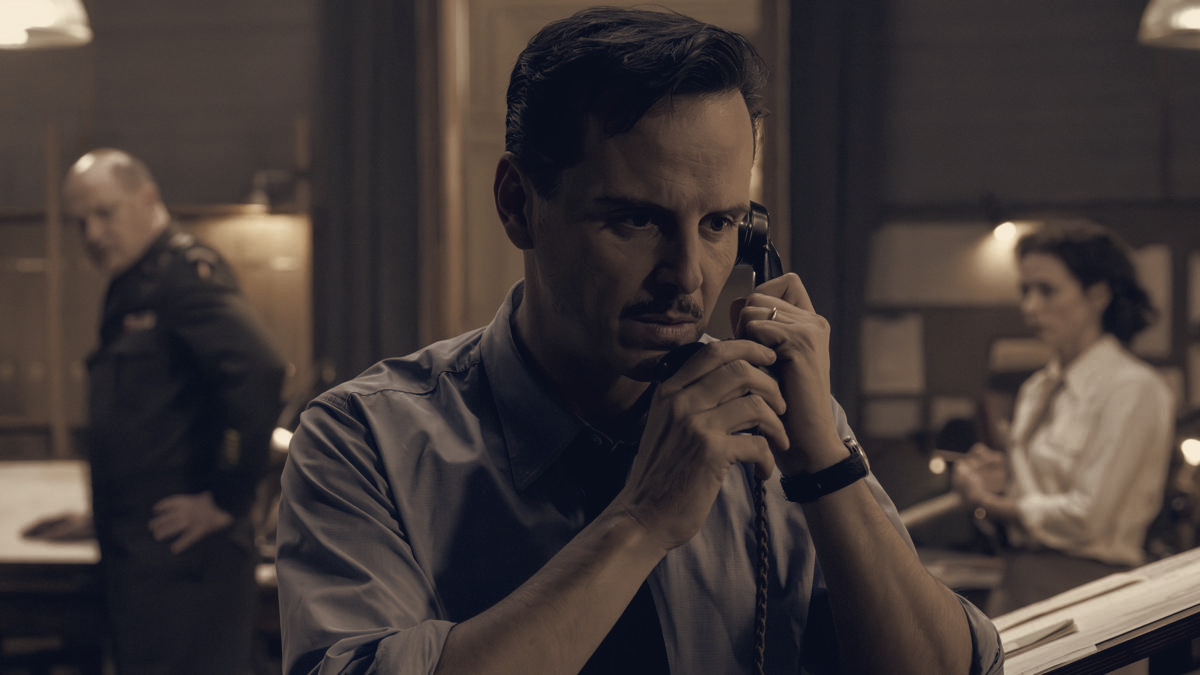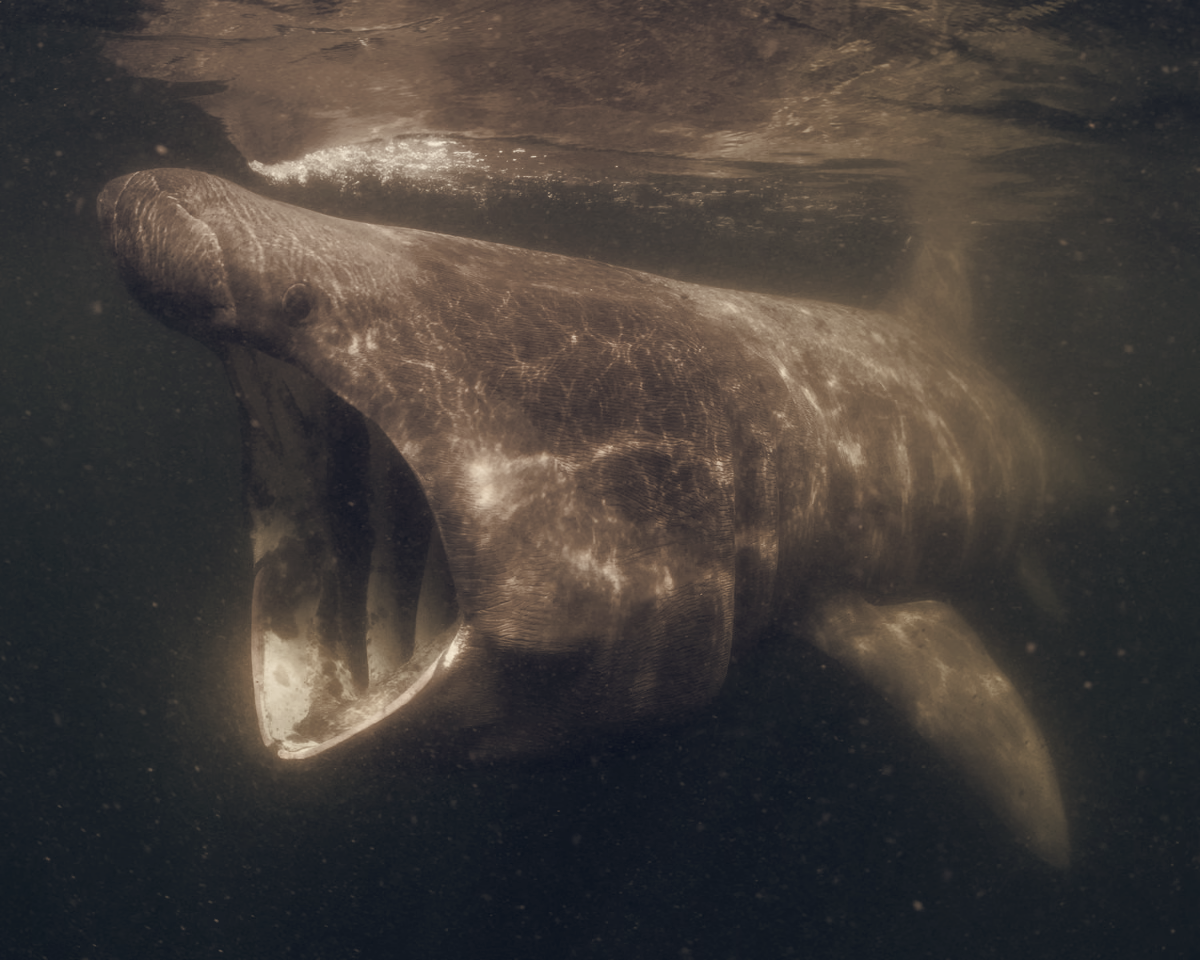

A seven-year shoot assembled into North Sea, Nature Untamed compels viewers to rethink a sea usually imagined as muddy and lifeless. The film brings together footage built over decades of dives by Dutch cinematographer Peter van Rodijnen, who spent more than 20 years filming along his country’s coast, and a nearly decade-long collaboration with director Mark Verkerk to record the shallow sea as camera technology improved. Van Rodijnen narrates in a personal register, and the result shows luminous colours and dense communities of starfish, lobsters, brittle stars and kelp beside large visitors including bluefin tuna, orcas and basking sharks.
The Story in Pictures
Much of that abundance rests on annual plankton eruptions that feed the food web, the film explains, but the same blooms, combined with strong tides and limited depth, regularly make visibility too poor to film. Verkerk frames the technical challenge bluntly, saying, “It’s no accident that there are virtually no films about the North Sea. This is really one of the first big attempts. It is incredibly difficult.” Production records the practical cost of that difficulty: over the seven-year shoot, crews cancelled four out of every five planned dives because of rough seas.
Van Rodijnen details the limits a camera team faces. “The visibility can be poor, there can be lots of currents, it is cold,” he says. “You’ve got depth and the limitations of your scuba devices, so you have 20 or 30 minutes of filming per dive. It’s about patience but it’s more about persistence. You need to just keep pushing to get the shots. I had some sleepless nights, I can tell you.” The film therefore reads as both a natural history and a record of the labour behind making the unseen visible.
The documentary also puts people and fishing practice on screen as active parts of the ecosystem. Van Rodijnen joins a Dutch boat that avoids beam and bottom trawling but still documents small sharks and rays returned as unwanted bycatch. He later films an industrial mackerel operation off Shetland, where an orca pod has learned the sound of a winch and takes fish escaping the net, while the vessel pulls in schools by drawing them through large tubes into a steel hold. The scenes undercut neat separations between human industry and marine predators.
Van Rodijnen stops short of a simple manifesto. He calls it “naive” to hope we can “make one big Marine Protected Area out of the North Sea. That just won’t happen. There’s lots of nuance to understand.” He rejects bottom trawling and opposes bycatch, yet argues that meaningful conservation must begin with knowledge of fisheries, technology and local practice. The film’s twin message is clear: the North Sea harbours surprising biodiversity, and both conservation and credible storytelling demand long-term commitment and a willingness to face complexity rather than reduce the sea to a single narrative.