
John Healey's emphasis on restoring consumer and investor confidence makes it politically harder to introduce major tax rises at the October 28 Budget. By stressing fiscal restraint while signalling a growth agenda, the chancellor is trying to preserve the fragile optimism that recent surveys show among households, firms and recruiters.
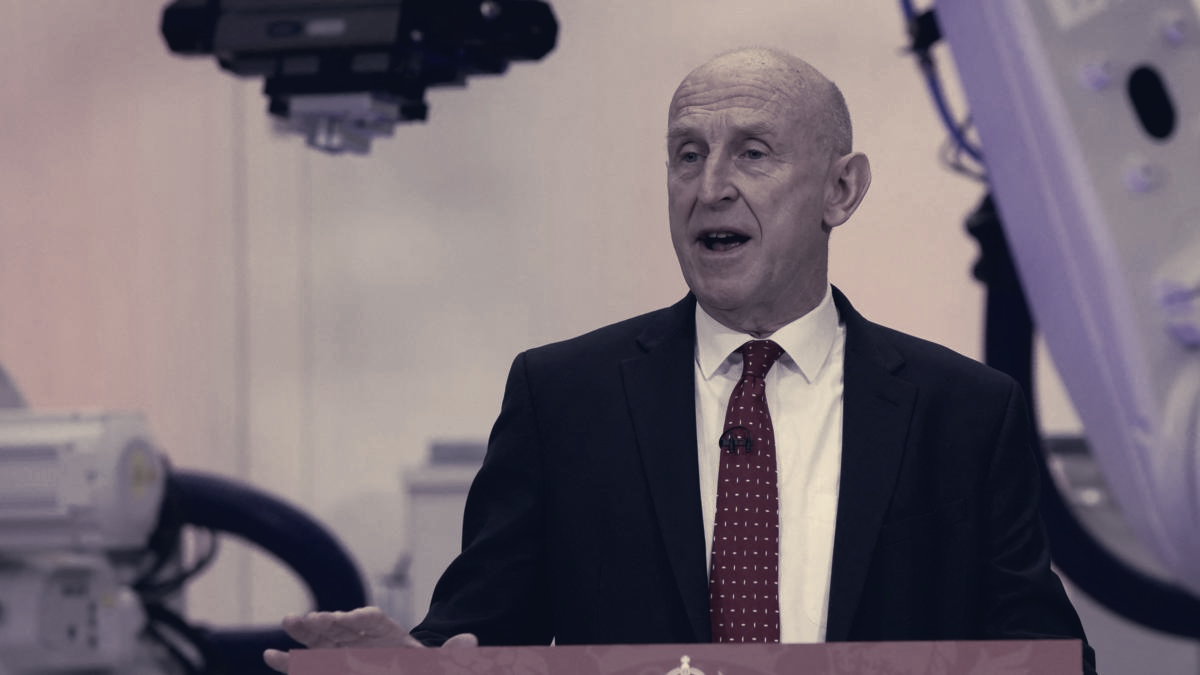
Healey chose to deliver his major speech at the Coventry Manufacturing and Technology Centre, a short drive from Jaguar Land Rover's headquarters, where 4,000 office-based job losses were confirmed as he answered questions nearby. He used the proximity to advanced manufacturing as an example of both the UK's strengths and the external volatility that, he said, requires greater resilience.
The chancellor opened by acknowledging that "Borrowing costs are too high," and warned that the global rise in bond yields is tightening the Budget's room for manoeuvre. When pushed on whether that means tax increases are likely, he declined to be drawn, saying, "I won't comment. I can't comment. No chancellor can ahead of a Budget I will take and announce on October 28th." His refusal to categorically rule out tax rises leaves options open while signalling caution.
Alongside discipline, Healey pitched an industrial policy route that leans on public finance institutions, the so-called "Pufins". He pointed to organisations such as the British Business Bank and the National Wealth Fund as vehicles that can invest strategically, outside the government's conventional borrowing limits, to back growth and scale-up firms. Part of that intent is to foster more unicorns ($1bn tech startups) in the UK.
The chancellor also acknowledged the rapid expansion of AI investment globally, noting large US flotations in the coming weeks and saying the UK has standout technology to promote. He warned, however, that AI poses security and jobs risks and may require some degree of "public control" to ensure the benefits are widely shared.
Healey repeatedly framed long-term growth as the determinant of whether borrowing rules can be met, and his remarks suggested a willingness to tolerate trade-offs between stricter fiscal consolidation and policies aimed at boosting activity across the country. He will be judged on the concrete choices he makes in the Budget on October 28, when the balance between protecting confidence and closing fiscal gaps becomes explicit.