
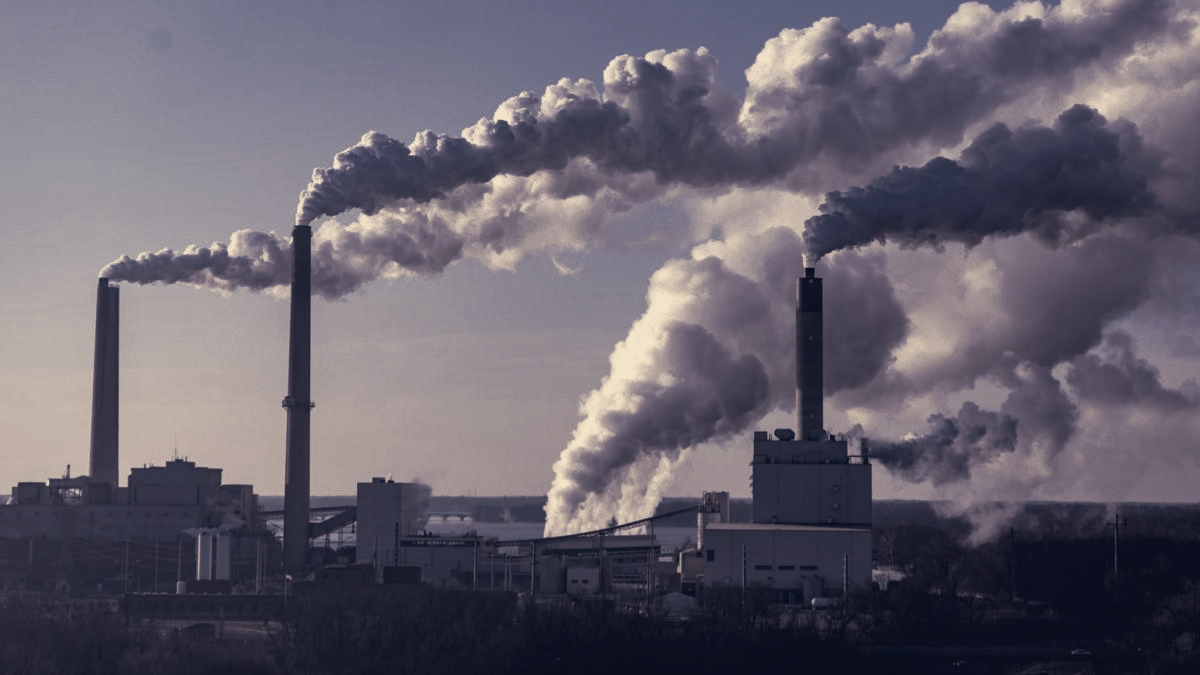
Federal limits on greenhouse gas emissions from coal and gas power plants will be lifted after the Environmental Protection Agency announced it is repealing the bulk of Biden-era rules governing the sector. The agency framed the move as a cut to regulatory costs, saying the change will save the country $310 billion and reduce energy prices while also seeking to block future administrations from imposing similar obligations.
EPA chief Lee Zeldin defended the decision, saying, "The reality is that America produces energy better and cleaner than anywhere else in the world, and our power plants should not be unfairly targeted." The agency argued the earlier package had "exceeded the agency's authority" and relied on "control technologies that are not adequately demonstrated, effectively forcing plants to retire rather than setting standards they could actually meet."
Officials said the repeal extends to other greenhouse gas rules that affect the power sector, and the proposal will go through a period of public review before it is finalised. The agency pledged to retain safeguards against "hazardous air pollutants" to "safeguard human health," and told reporters the change will "ensure affordable and reliable energy supplies and drive down the costs of transportation, heating, utilities, farming, and manufacturing while boosting our national security."
Environmental groups warned the roll-back will harm communities and exacerbate climate risks. Nathaniel Keohane, president of the Centre for Climate and Energy Solutions, called the move "a giant step backward" and said the agency had "ignored sound science and economics and abdicated its responsibility to protect public health and welfare." Earlier analyses linked the Biden-era package to preventing about 4,500 premature deaths each year, a figure cited by campaigners opposing the repeal.
The announcement comes amid broader debate over the future of US climate regulation. The United Nations identifies fossil fuels, including coal and natural gas, as the largest driver of global climate change. The US power sector currently produces about 1.5 billion tonnes of carbon dioxide-equivalent annually, roughly a quarter of the nation's emissions, and the United States ranks second worldwide in greenhouse gas output after China. Analysts say the precise effect of the EPA action on future emissions and warming remains uncertain.
The repeal is expected to trigger immediate legal challenges. The agency has already faced limits on its authority after a 2022 Supreme Court decision, and earlier this year it reversed a finding that had classified greenhouse gases as a threat to public health, a reversal that is also the subject of litigation. The next steps are a public comment period and likely courtroom contests, which will determine whether the changes survive judicial scrutiny and how quickly they take effect.