
Primary season ended with a clear change: insurgent left candidates won multiple safe Democratic nominations, altering the party’s incoming House delegation and shifting the battlefield for control of Congress toward a handful of competitive seats.
Turnover this cycle was unusually high, with 74 members leaving the House, the most departures since 1992, a tally recorded by the Pew Research Center. Many outgoing members sought other offices with limited success; 13 advanced out of primaries for governorships, the Senate or other posts, while 15 were defeated by voters. Eleven incumbents lost primary bids for their House seats, the second-highest total since 2022, seven of them Democrats, including two who were paired against another incumbent after Texas redistricting.
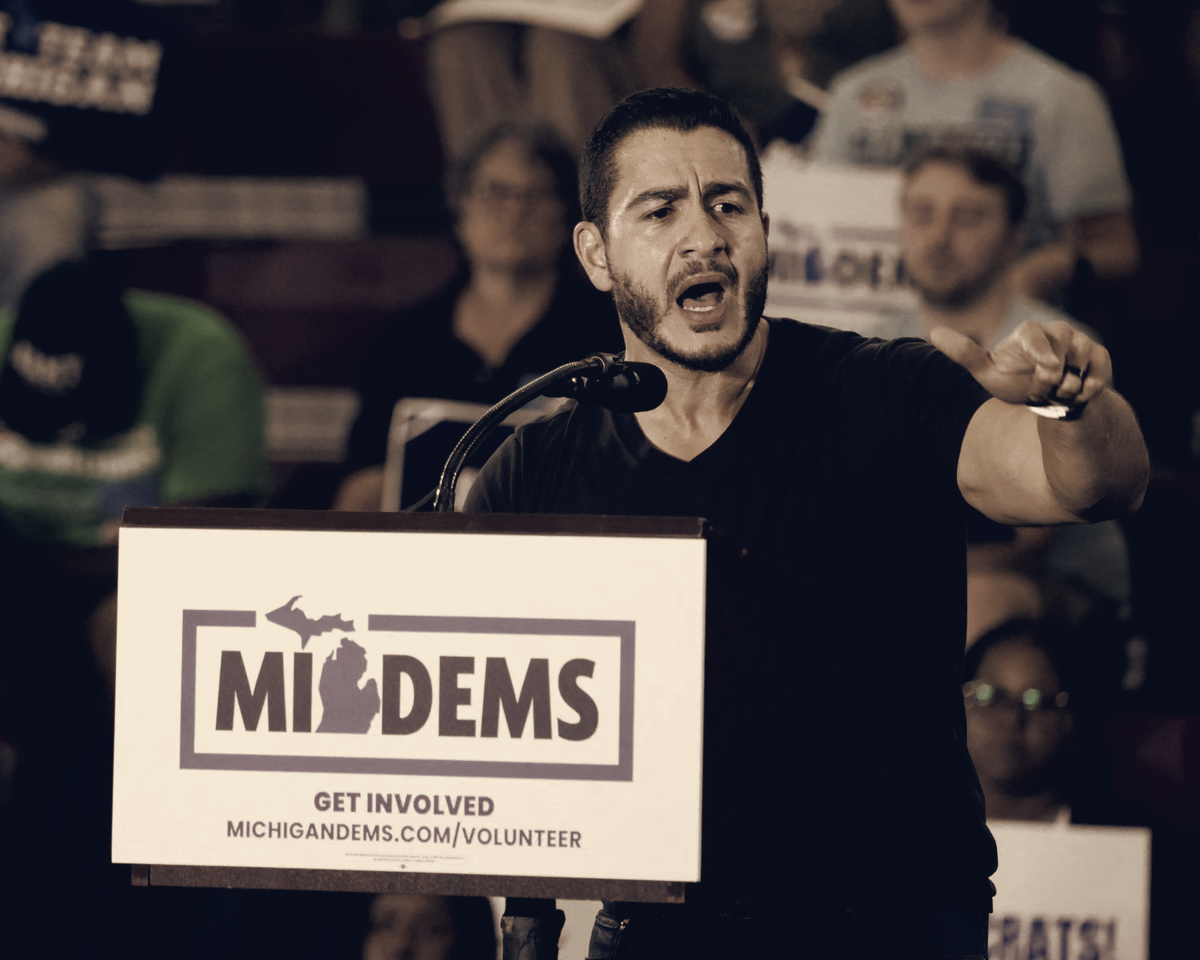
The left’s impact was concentrated in safely Democratic districts. Candidates tied to the Democratic Socialists of America prevailed in a number of contests: Darializa Avila Chevalier defeated Adriano Espaillat in New York, Brad Lander beat Dan Goldman, Claire Valdez won the primary to replace Nydia Velazquez, Melat Kiros unseated Diana DeGette in Colorado, and Donovan McKinney overcame Shri Thanedar in Michigan. Chris Rabb, a DSA-endorsed victor in Philadelphia, said, “A lot of people were hoping that it was a blip, like oh well, this is a special case. We showed them a different way. So I think all of those things make this election cycle uniquely powerful in ways that most people could not anticipate, myself included.” Because these districts tilt heavily Democratic, those nominees are expected to hold their seats in November.
Still, the decisive contests are elsewhere. The Cook Political Report identifies 21 toss-up districts where nominees are mostly backed by moderate groups such as the New Democrat Coalition and the Blue Dogs, a configuration centrists argue gives them the best chance to flip seats from red to blue. “If Democrats are to win the majority in the House and/or the Senate, it will be because moderates flip seats from red to blue,” said Matt Bennett of Third Way.
The left did not win every intra-party fight. High-profile progressive challenges failed in several places: Cori Bush lost a rematch with Wesley Bell, Ed Case beat Jarrett Keohokalole in Hawaii, Ed Markey withstood Seth Moulton in Massachusetts, Julie Gonzales came up short against John Hickenlooper in Colorado, and Marie Gluesenkamp Perez secured renomination in her right-leaning district.
On the Republican side, primary voters largely coalesced around the president’s priorities and his endorsements, a consolidation that held despite reported low approval ratings. The result is a reshaped House map and a clearer picture of the intra-party battles that will define the autumn campaign.
Voters will choose the final delegations on 3 November. Control of Congress now depends on how moderates perform in the narrow set of competitive districts, while newly elected leftwing members begin the term ready to press their policy priorities regardless of which party controls the chamber.