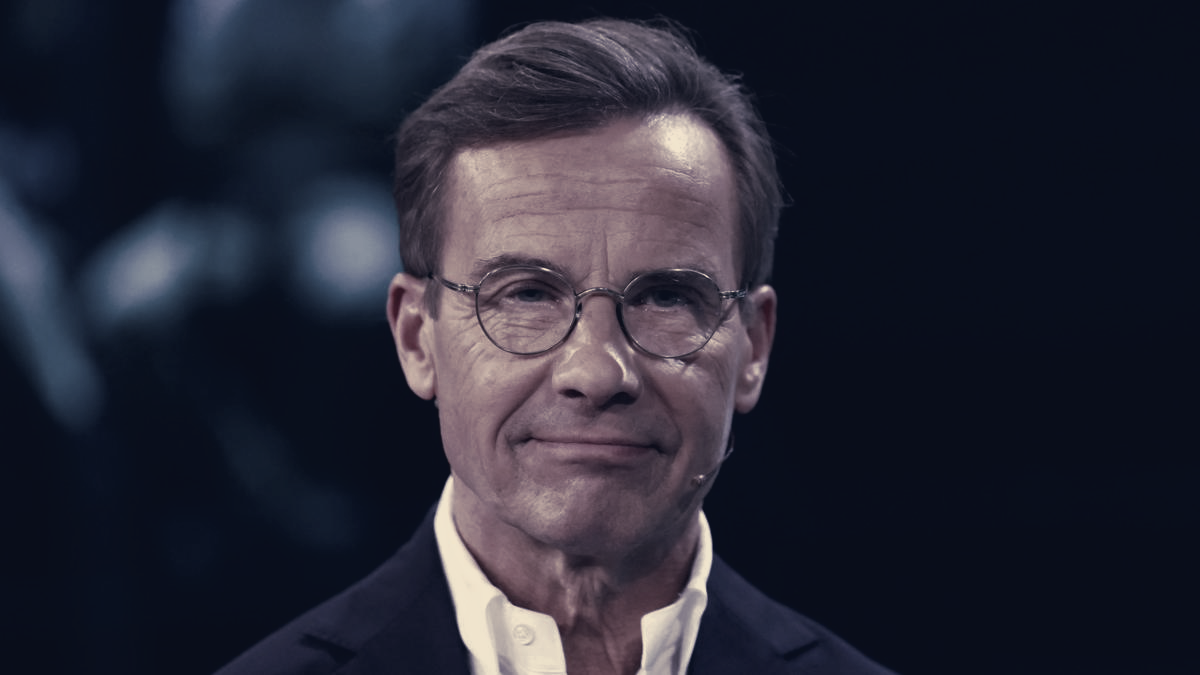
Sweden’s centre-left looks set to reclaim government after Prime Minister Ulf Kristersson resigned following a narrow defeat in the general election. Preliminary counts showed the two blocs separated by roughly 50,000 votes in a country of about 10 million, and the opposition led by Magdalena Andersson appears poised to win 176 seats in the 349-seat Riksdag while the right-wing grouping stands at 173 seats.
Kristersson announced his resignation in a post on X and formally requested to be relieved of office so the Speaker can begin consultations on the next government. He warned the opposition faces "complicated" conditions for forming a cabinet, saying "the parties' various statements before election day could pose obstacles."
Andersson posted on Instagram that "The Swedish people have voted for a new direction for our country." The Social Democrats, who have been a dominant force in Swedish politics since the mid-20th century, are starting talks with The Left Party, The Centre Party and The Green Party about building a coalition. Those discussions are expected to be difficult because the parties disagree on major issues, including tax policy.
The outgoing right-wing bloc included Kristersson's Moderates, the Sweden Democrats, the Christian Democrats and the Liberals. The Sweden Democrats, a party that traces its origins to extremist circles in the 1980s and later rebranded from the mid-2000s, rose to become Sweden's second-largest party in 2022 on a platform emphasising immigration and violent crime. They had provided outside support for the government and Kristersson had pledged to offer them cabinet posts if he stayed in power. In a surprise to the party, its vote share fell by three percentage points compared with 2022.
Election committees have continued counting early ballots and votes from abroad, and the results will be formally certified in the coming days, with finalisation expected this weekend. After a resignation, the Speaker of the Riksdag holds talks with all parties, proposes a candidate for prime minister and that nominee must then be approved by a parliamentary vote. Previous Swedish government formations have varied in length, taking 37 days after the 2022 vote and 134 days after the 2018 election.
With certification pending, the next phase is the Speaker-led consultation process that will determine whether Andersson can assemble a working coalition and a parliamentary majority to take office.