
A growing share of the public no longer believes progress is deliverable, and insurgent movements are gaining traction across democracies. That shift is not the result of a single failure, it is the cumulative consequence of decades of crises that have eroded confidence in liberal institutions.
The catalogue of shocks is long and overlapping: security crises from September 11 and the 2005 London Tube bombings, protracted wars in Afghanistan and Iraq, the rise of Islamic State, the global financial collapse, Brexit and the election of Donald Trump. More recent shocks, including climate warnings, Covid-19 and its economic fallout, the Hamas attack on 7 October 2023 and Israel’s campaign in Gaza, have intensified distrust. The rapid advance of artificial intelligence has added new existential anxieties to a public already fatigued by repeated disruption.
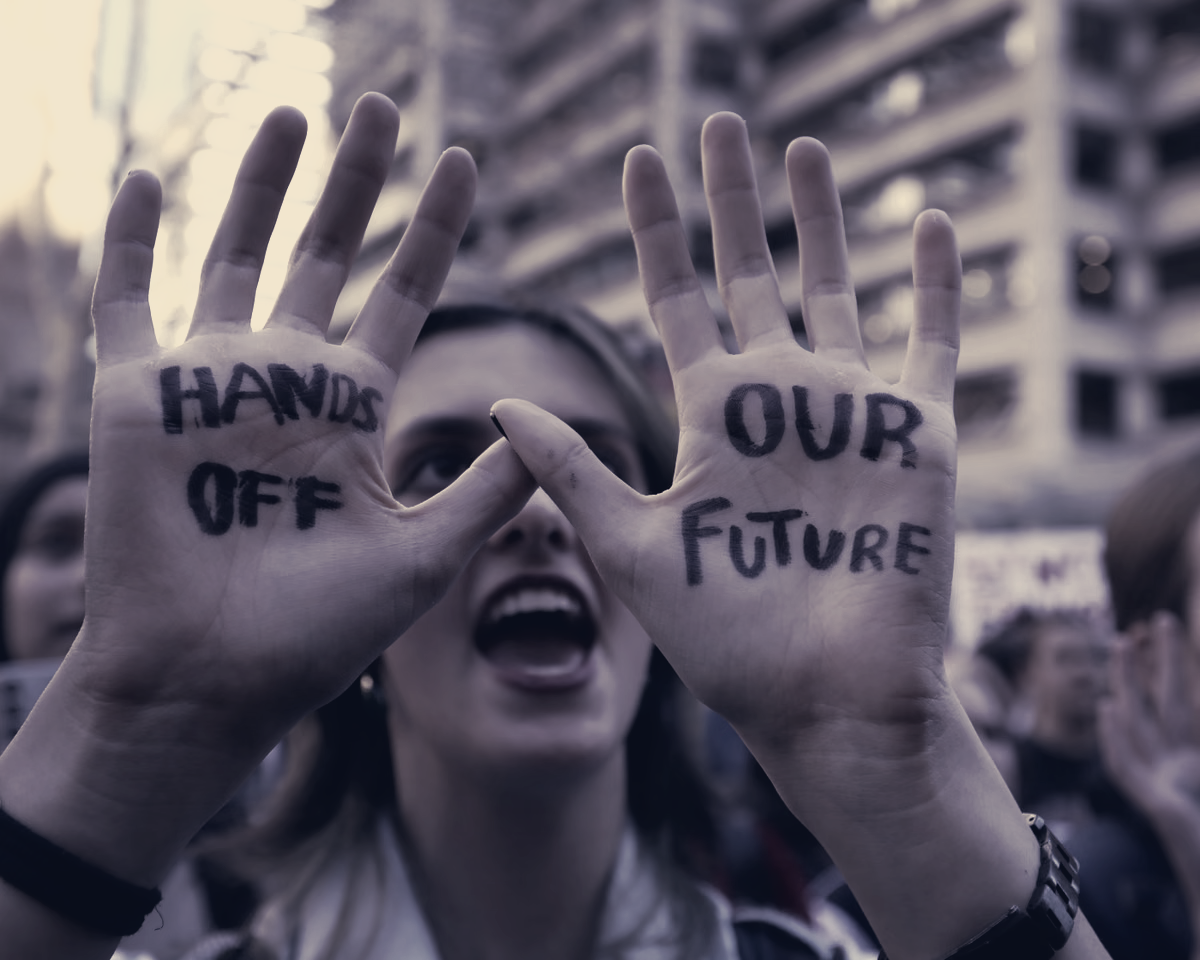
Those events have not operated in isolation. Their combined effect is a grinding sense that conventional arrangements no longer deliver the quality of life people expect. That mood appears across a wide range of behaviours: anger at big tech, suspicion of legacy media, cultural flashpoints over gender and education, violent street clashes, and mass rallies where mainstream grievances sit alongside organised far-right activity.
The pattern shows up in national politics. In Australia the rise of Pauline Hanson sits within this broader trend, yet researchers note the grievances are not confined to a single constituency. As Redbridge’s Simon Welsh put it, "there’s a massive chunk of One Nation voters that immigration isn’t particularly important to." Leaders see the same cumulative story. Speaking about inflation and the rising cost of living, the treasurer Jim Chalmers said, "all of these rolling shocks for 20 years have been cumulative. And every time it feels like ordinary people are going to get off the mat, something else arrives."
That diagnosis explains why solutions framed solely as technical policy fixes often fall flat. When faith in gradual reform is exhausted, electoral mobilisation favours actors promising system-level change rather than incremental adjustments. The energy behind those movements rests as much on frustration and cultural grievance as on coherent programmatic demand, which complicates governance and stretches social cohesion.
The practical consequence is stark. Governments and civic institutions must rebuild credibility across economic, social and cultural spheres, or face intensified political fragmentation. What follows next will be decided by whether established parties can restore a believable path to material security and social stability, or whether insurgent forces convert public disillusionment into lasting power.