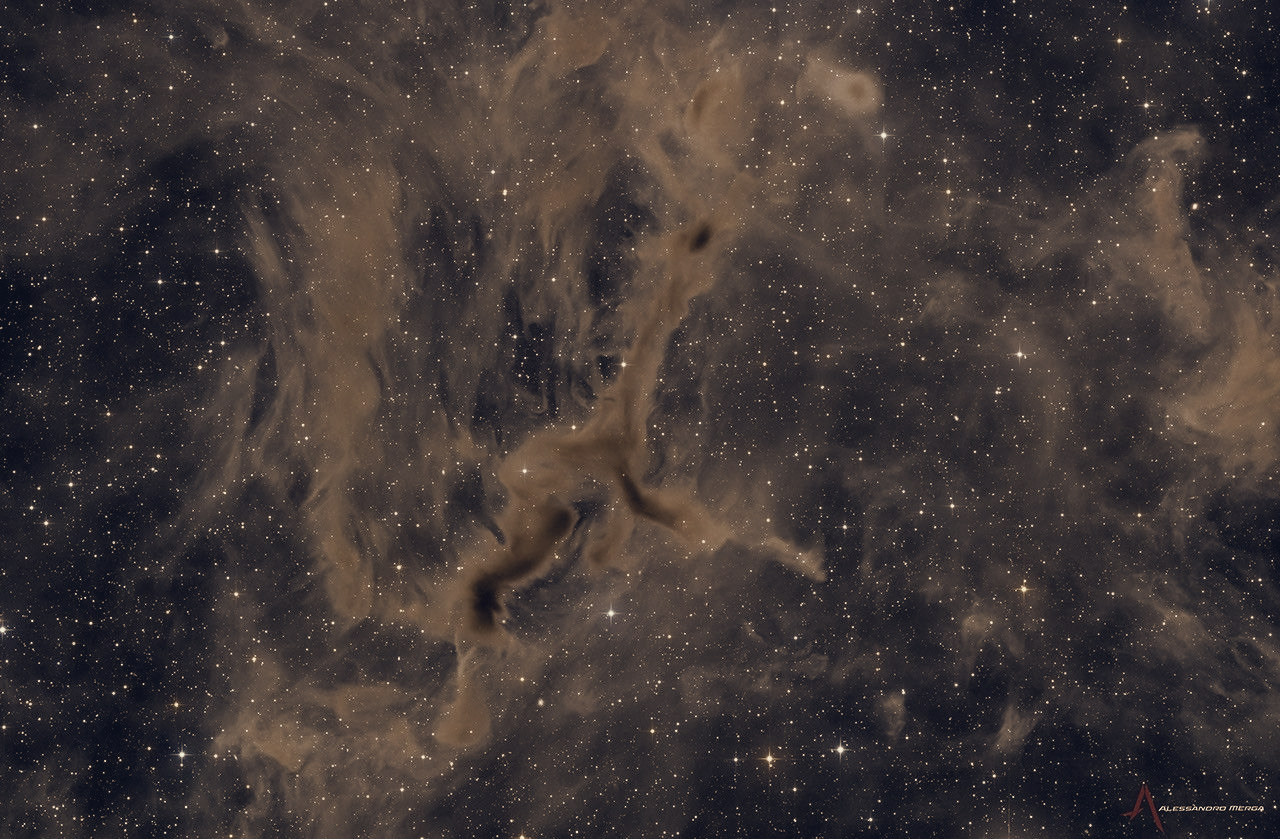
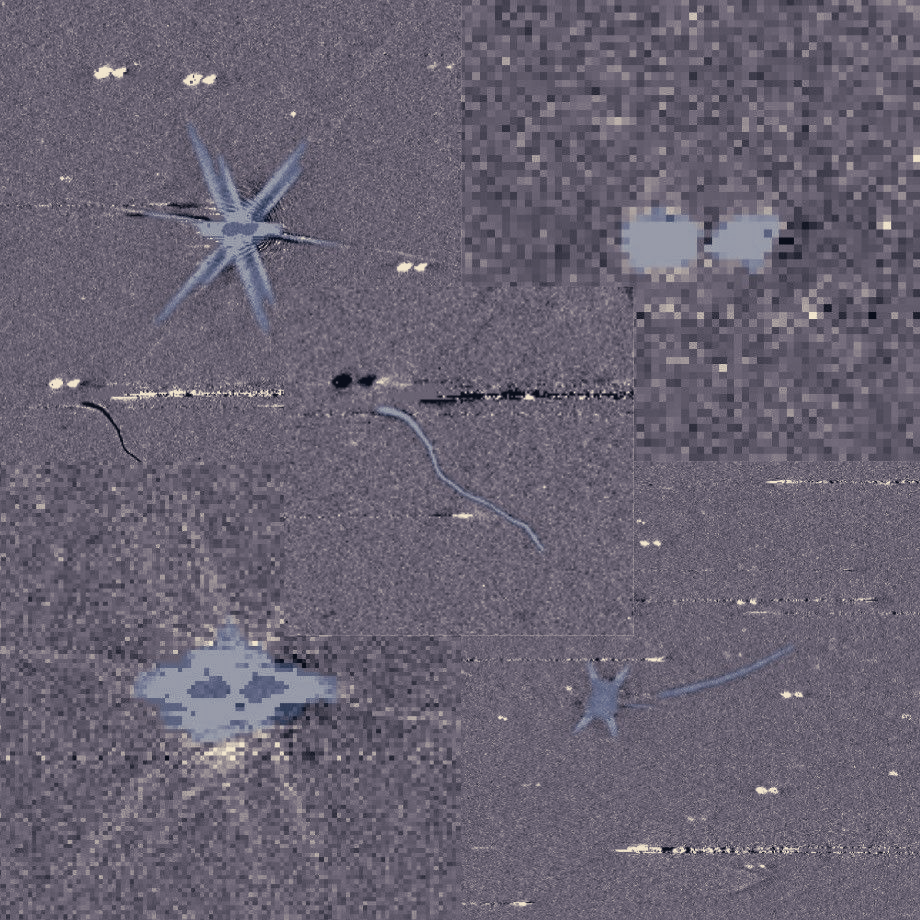
Volunteers can help scientists separate genuine astronomical features from instrumental artifacts in data collected by a telescope located hundreds of thousands of miles away. The Artifact InSPECtor project opens a route for non-specialists to review and flag features in remote observations, a step intended to sharpen the datasets researchers rely on when direct inspection of instruments is impossible.
The project name, Artifact InSPECtor, signals its purpose: to spotlight anomalies in telescope output that could mislead analysis. When data originates at vast distance, resolving whether a pattern is an astrophysical source or an imaging artifact becomes harder. Artifact InSPECtor invites additional eyes on that work, putting human judgement to use where automated filters may leave ambiguity.
By routing selected data through a coordinated review process, the initiative aims to reduce the number of spurious detections that enter scientific pipelines. Cleaner, curated datasets let researchers focus follow-up effort on candidates with higher likelihood of being real, and they narrow the gap between what instruments record and what scientists interpret from those records. For teams studying faint or unusual signals, that narrowing matters: it changes which leads are pursued and where scarce observing time is allocated.
Participation also creates a transparent audit trail for flagged data. A record of human classifications can be compared with algorithmic outputs, supporting incremental improvements to automated cleaning methods. Over time, that feedback loop may raise the overall fidelity of observations drawn from telescopes that cannot be serviced or examined directly.
Artifact InSPECtor therefore shifts part of the burden of data validation onto a distributed review model. The immediate consequence is a channel for public contribution to the quality control of remote telescope measurements, and the practical outcome is a clearer, more reliable foundation for subsequent analysis and discovery.