
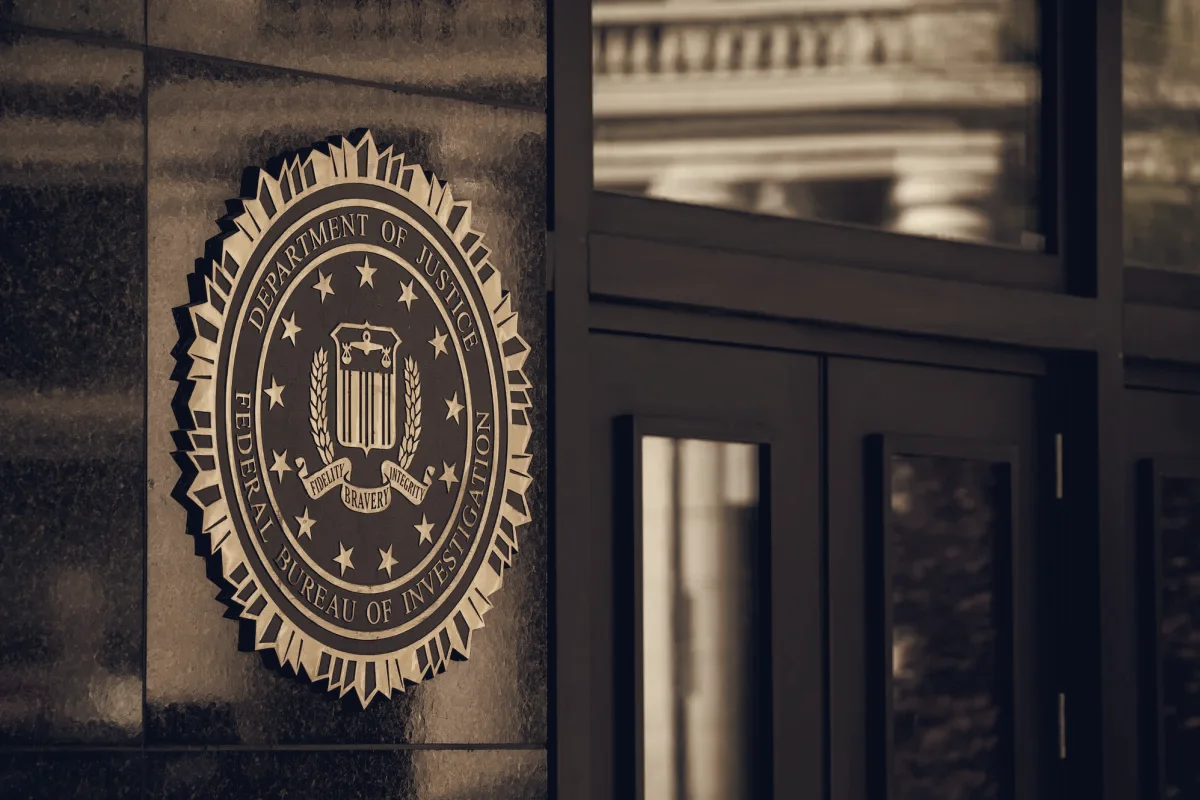
FBI agents and job applicants face potential exposure after the hacking group ShinyHunters said it breached the bureau and stole personal information belonging to agents and applicants. The immediate consequence is personal: identities and details tied to those people, the group says, are now in the hands of a criminal actor.
ShinyHunters' claim frames the incident as more than a conventional data leak. The theft of agents' personal information could present a major counterintelligence threat, for example through the extortion of agents and their families. That risk outlined in reporting of the claim, points to coercive pressure on individuals rather than just a privacy violation.
Because the allegation concerns current and prospective bureau personnel, the consequences would reach into both personal safety and operational security. Personal data in hostile hands can be leveraged to influence behaviour, create leverage over assignments, or undermine trust in the confidentiality of investigative work. The prospect of extortion turns a records breach into a vector for targeted coercion.
The claim also raises immediate questions about scale and verification. Determining whether the data are genuine and how many people are affected is central to assessing the threat level. Equally important are steps advise and protect anyone named in the material, and to understand whether the information includes details that could be used for coercion or identification.
At stake is more than a headline: the allegation, if accurate, suggests a breach that can be weaponised against individuals and their families. The coming period will require verification of the claim, an accounting of who is exposed, and protective measures for those at risk. Until those steps are clear, the possibility that personal information has been repurposed as a counterintelligence tool will remain the defining concern.