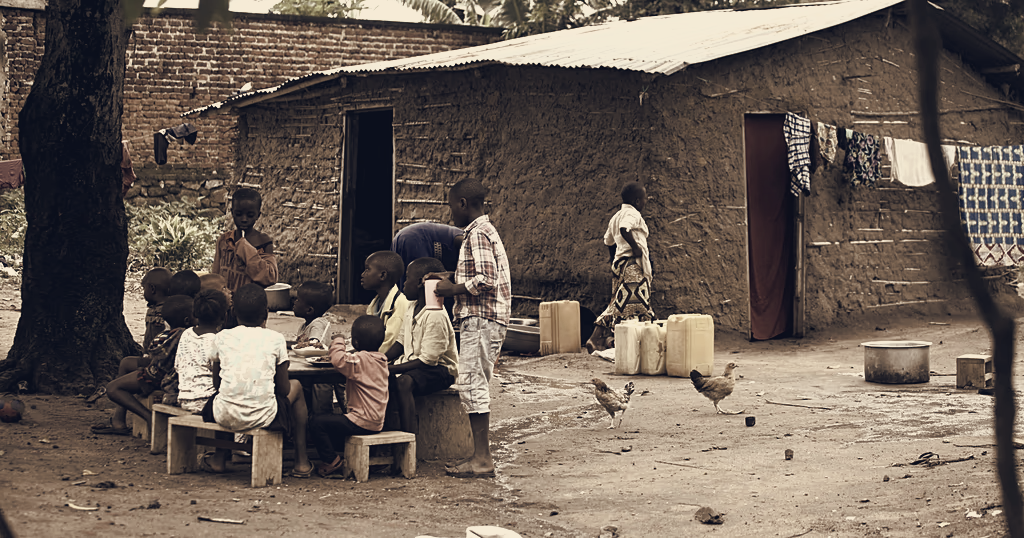

Displaced Pygmy families from Beni say they have lost access to their forest homes and the hunting and gathering livelihoods those lands supplied, forcing dependence on outside assistance and exposing households to hunger and illness. Since May 2026, groups from the Indigenous Pygmy community have been sheltering in makeshift camps around Boikene after attacks in the Ndandi area attributed to the Allied Democratic Forces.
At the Boikene sites, families sleep on the ground beneath improvised coverings, with few blankets and little protection from the weather. “We spend the night in very poor conditions. We have no roof, we sleep on the ground, without blankets or any protection,” said Apolline Apusome, a displaced Pygmy.
The departures from the forest were rapid, witnesses said, and many arrivals had no belongings. Some displaced people report witnessing killings and seeing neighbours taken captive during the assault. “We fled the forest because this war forced us to. The attackers killed some people and took others into the forest. We could no longer stay there,” said Paul Nguka.
Site officials say at least five people among the displaced have died since arriving, a toll they link to the precarious conditions and scarce resources inside the camps. Health risks are heightened by a concurrent Ebola outbreak in the wider Beni region, which complicates access to health services and raises the stakes for overcrowded, under-resourced sites.
The psychological impact is acute. John Mangese, who says he witnessed multiple killings before fleeing, called for an end to the violence. “They had killed several people in front of my eyes. They had captured us while Nzanzu Mangese was still there… We are simply asking for peace so that we, the first inhabitants, can return to our forests and find our former way of life, because we are suffering enormously,” he said.
Human rights defenders warn the situation requires a stronger humanitarian response. “What is happening in this camp is truly inhumane and it has to stop because it is really horrible. They are living a painful life, they are living without shelter. We are calling on the international community to act in the face of this scourge affecting our country,” said Jereve Maneno of Lutte Pour le Changement.
For now, displaced families remain around Boikene, uncertain when or whether they will be able to return to their land. If security does not improve, the immediate shortfalls in food, water and healthcare risk becoming longer-term cultural and economic losses as forest-based livelihoods and traditional ways of life become harder to recover.