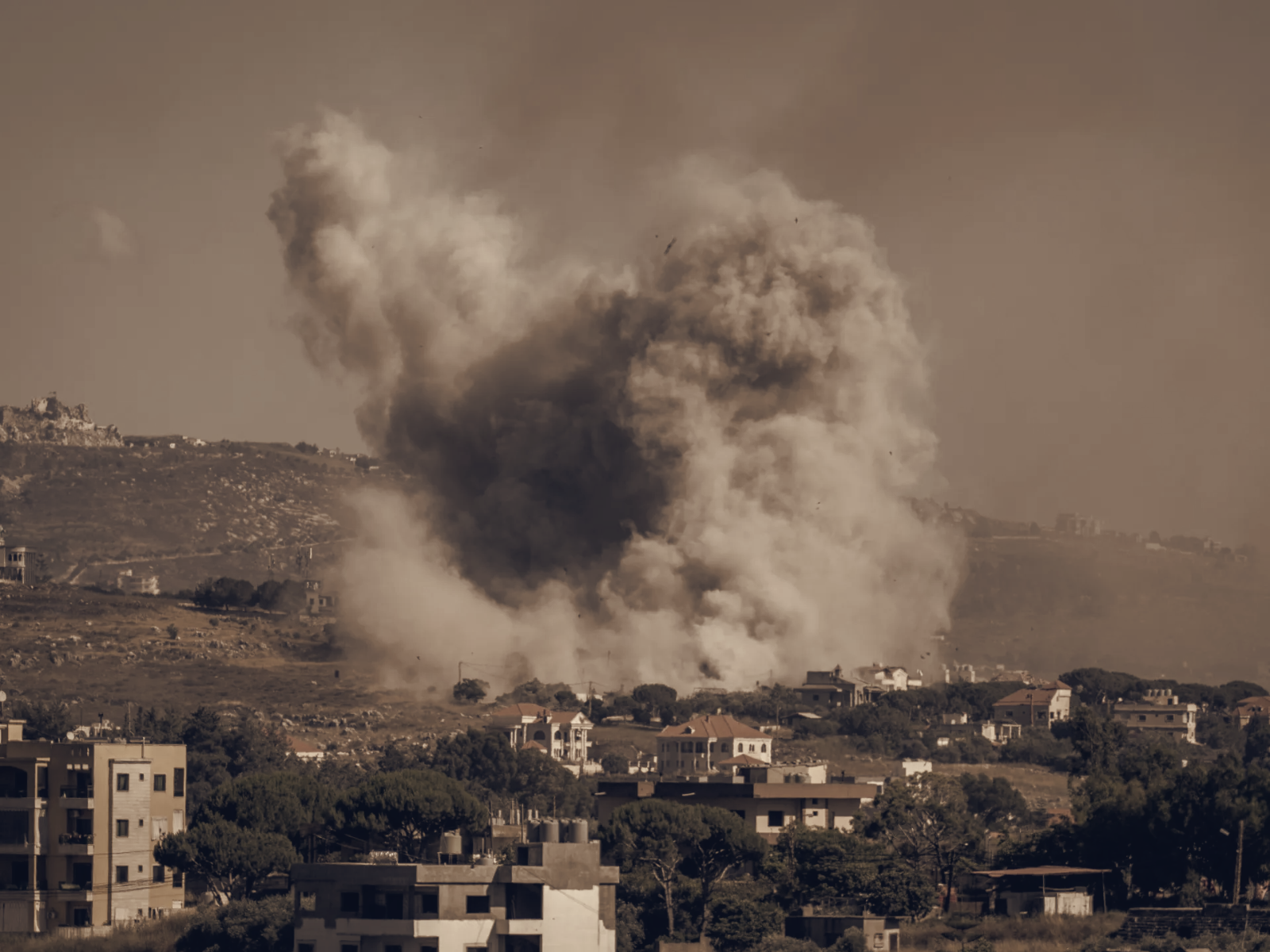
Global oil availability tightened after Saudi Arabia closed its East-West pipeline, a route that supplied 4% to 5% of world crude. Riyadh said the shutdown followed a drone strike it traced to Iraqi territory, a move that immediately removes a major export artery and raises the prospect of wider disruption to energy markets and regional shipping.
Iraq acknowledged the attack originated from a province that borders Iran, and its prime minister's office announced the removal of an operations commander in Maysan and the launch of an investigation. Iraqi officials confirmed the strike was traced to that region, prompting the personnel action and inquiry.
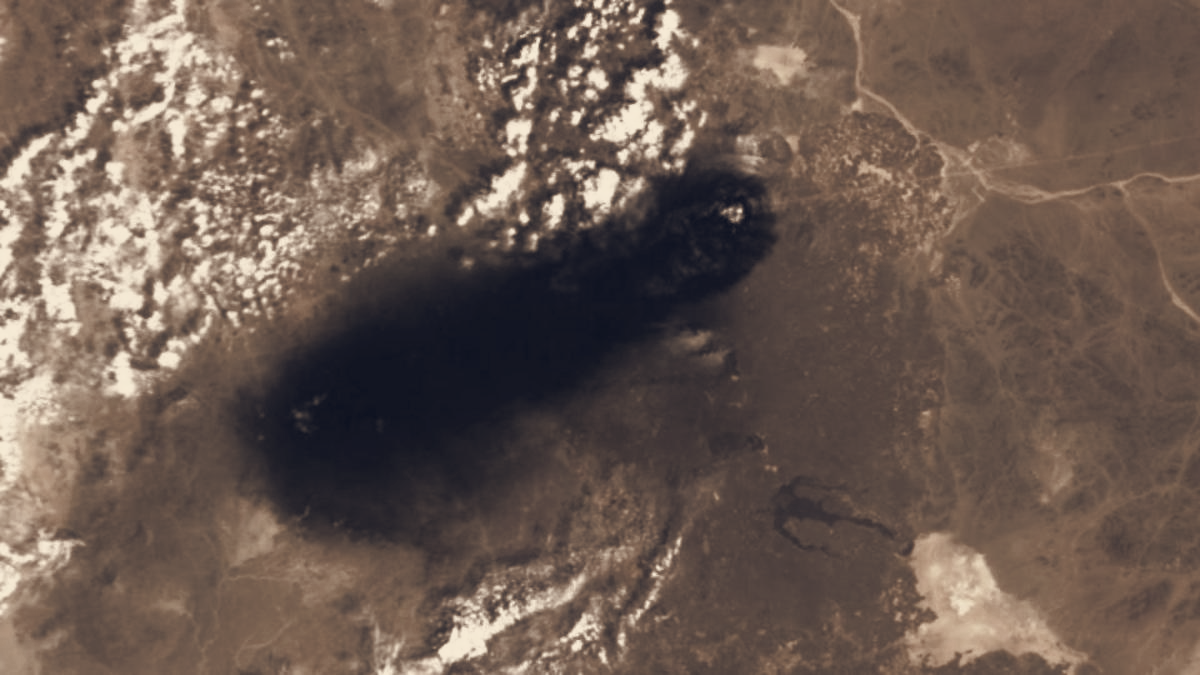
Riyadh described the pipeline closure as a precaution. Satellite imagery released after the incident showed scorched ground and plumes of smoke near the impact site, and the Saudi foreign ministry said the strike produced some injuries and damage that remains under assessment. The kingdom said it had not retaliated and would "support the efforts of the Iraqi government" to "prevent attacks" launched from Iraq.
The Saudi foreign ministry warned the kingdom "reserves its right to take all necessary measures to safeguard its sovereignty and security, protect its facilities, and ensure the safety of its citizens and residents." The Gulf Co-operation Council condemned the attack, with secretary general Jasem Mohamed Albudaiwi calling it "a dangerous escalation and an unacceptable threat to the security of the Kingdom of Saudi Arabia, its territorial integrity, and its vital installations, as well as a flagrant violation of the principles of international law."
The incident coincides with rapid advances by Houthi forces in Yemen this week, who say they now control much of the country's coastline and the Bab al-Mandab Strait, while declaring maritime navigation "safe for all companies except for Saudi vessels." Analysts and ship trackers linked the pipeline disruption with tighter crude availability, and markets moved accordingly: benchmark crude traded above $100 a barrel for the first time since July.
With damage assessments proceeding in Riyadh and an investigation under way in Iraq, the immediate question is whether the pipeline shutdown will be temporary or prolonged. Traders, governments and regional navies will be watching whether Baghdad can prevent further launches from its territory, and whether Saudi Arabia follows its restraint with diplomatic pressure or other measures to secure its energy infrastructure.