Spain's government is under intensified scrutiny after newly declassified security documents show the National Intelligence Service, the CNI, alerted Moroccan and local Ceuta authorities on 29 July to social media campaigns urging a mass crossing the next day. Opposition parties say the papers contradict Prime Minister Pedro Sánchez's claim that the surge on 30 and 31 July could not have been foreseen.
The documents, part of a tranche of more than 40 security files released amid pressure on the government, record CNI monitoring of WhatsApp and Facebook groups calling on migrants to enter the Spanish enclave. The intelligence service told Moroccan counterparts and Ceuta representatives it had identified messages promoting both swimming around the border fence and attempts to climb it. The material said about 180,000 people were receiving those posts.
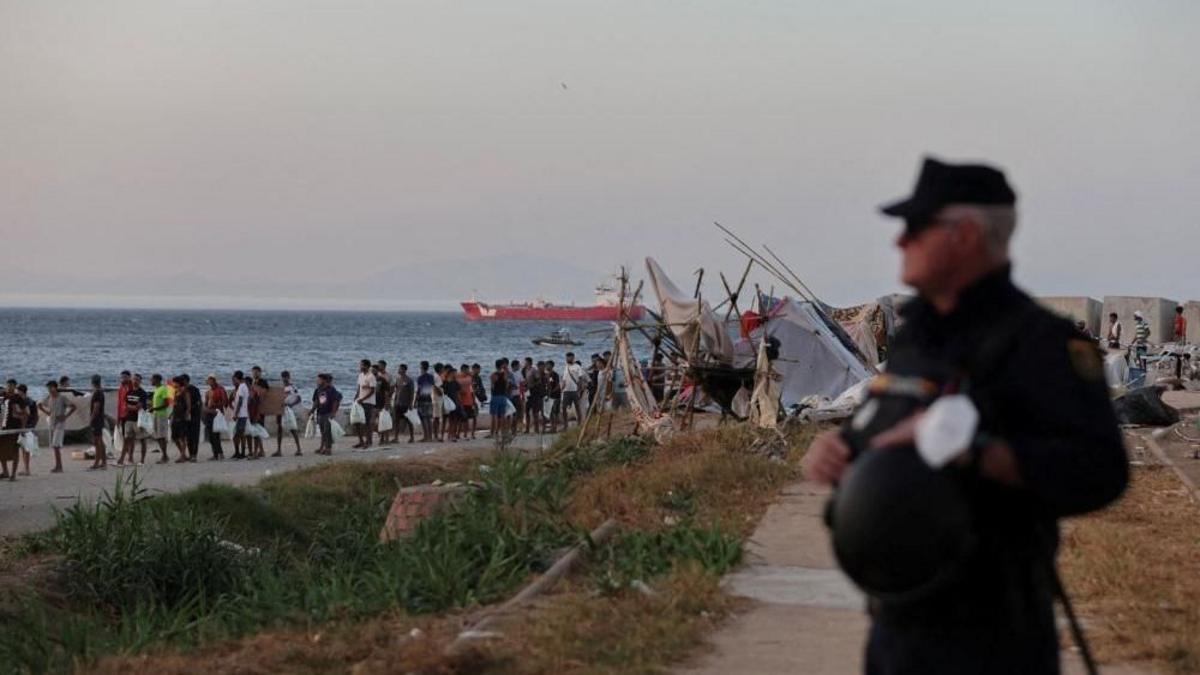
Between 30 and 31 July at least 72,000 people entered Ceuta from Morocco, most of them returning, but local officials report around 5,000 remain in improvised camps or sleeping on streets and beaches. Authorities in the city say at least 100 people died during the crossings. The sudden arrival prompted unrest in the autonomous city, with residents blocking aid shipments and attacking shelters amid safety concerns.
Sánchez has insisted the scale of the arrivals was not predictable and told parliament there was "no information that conveyed the magnitude" of the crisis expected on the final days of July. The government has also said the declassified material does not show enough detail to have allowed a full operational response in advance. Foreign Minister José Manuel Albares said he was "not aware of any report that might have foreseen the magnitude of what happened on July 30."
Opposition figures seized on the documents. Ester Muñoz of the People’s Party said, "They had the information, they are directly responsible for the invasion of Ceuta and for those who died." Jorge Buxadé of Vox wrote on social media that the papers show Sánchez "and his band of criminals should be brought before the Supreme Court for treason and security crimes." Miguel Ángel Pérez Triano, the central government's delegate in Ceuta, downplayed the July 29 messages, saying, "The Whatsapps from [July] 29 do not constitute an alert or a report. It is nothing more than an exchange of information."
The files were published as debate continues over whether Moroccan authorities played any role in facilitating the crossings; Sánchez has rejected claims of Moroccan complicity. The release of the documents is likely to sharpen political and legal scrutiny of how Spanish intelligence and government offices handled warnings in the days before the influx.